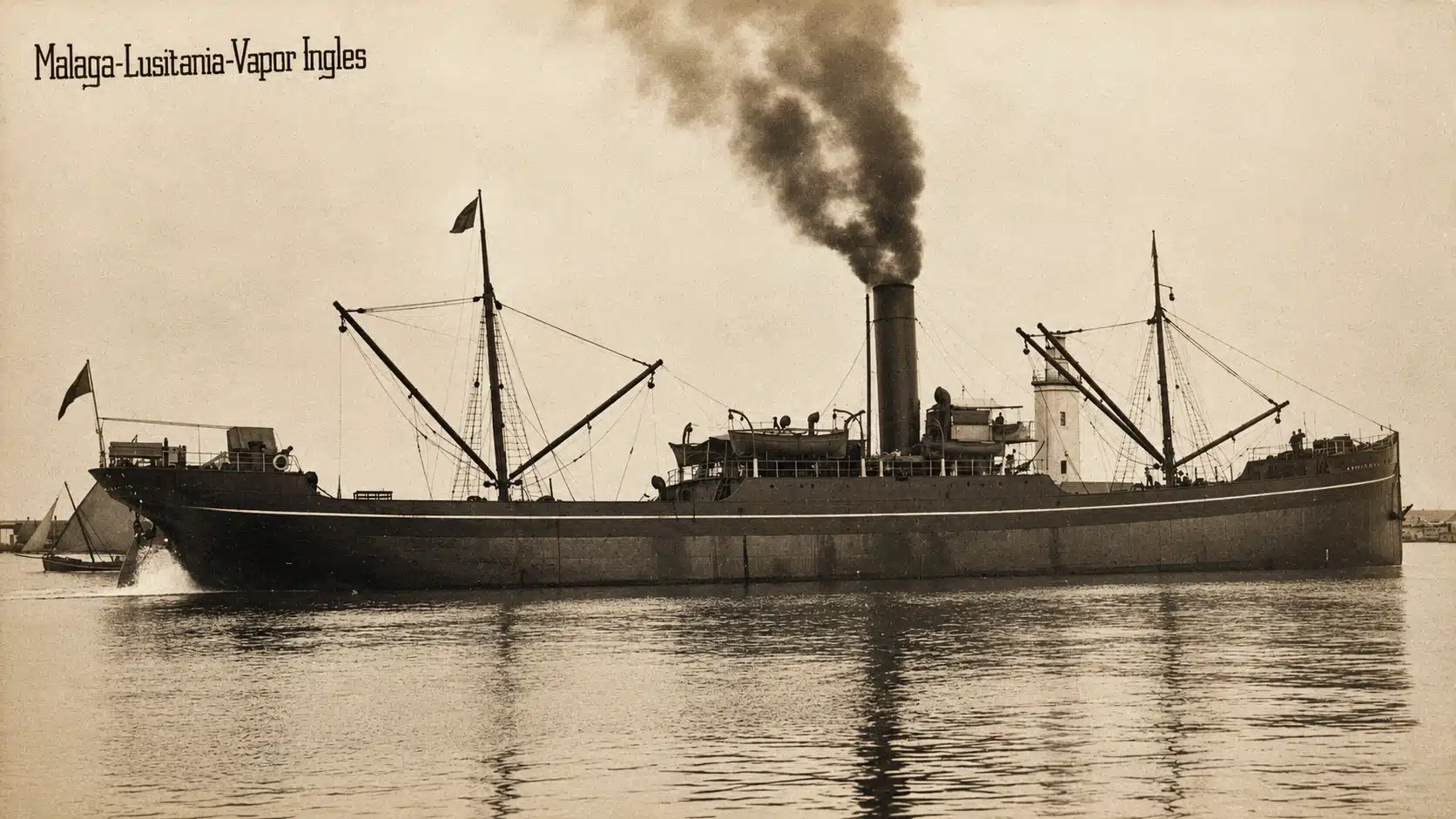
• SS Lusitania (1915)

    Dover Marina Esplanade, Dover, Kent, United Kingdom

    You know the name Lusitania, but probably not this one. SS Lusitania sank off Folkestone in November 1915 after rushing to help survivors from the mined hospital ship HMHS Anglia.

    At about 30 metres, this forgotten Kent wreck tells a sharper local story than its famous namesake: a German minefield, a desperate rescue and a crew who survived after sailing straight into danger.
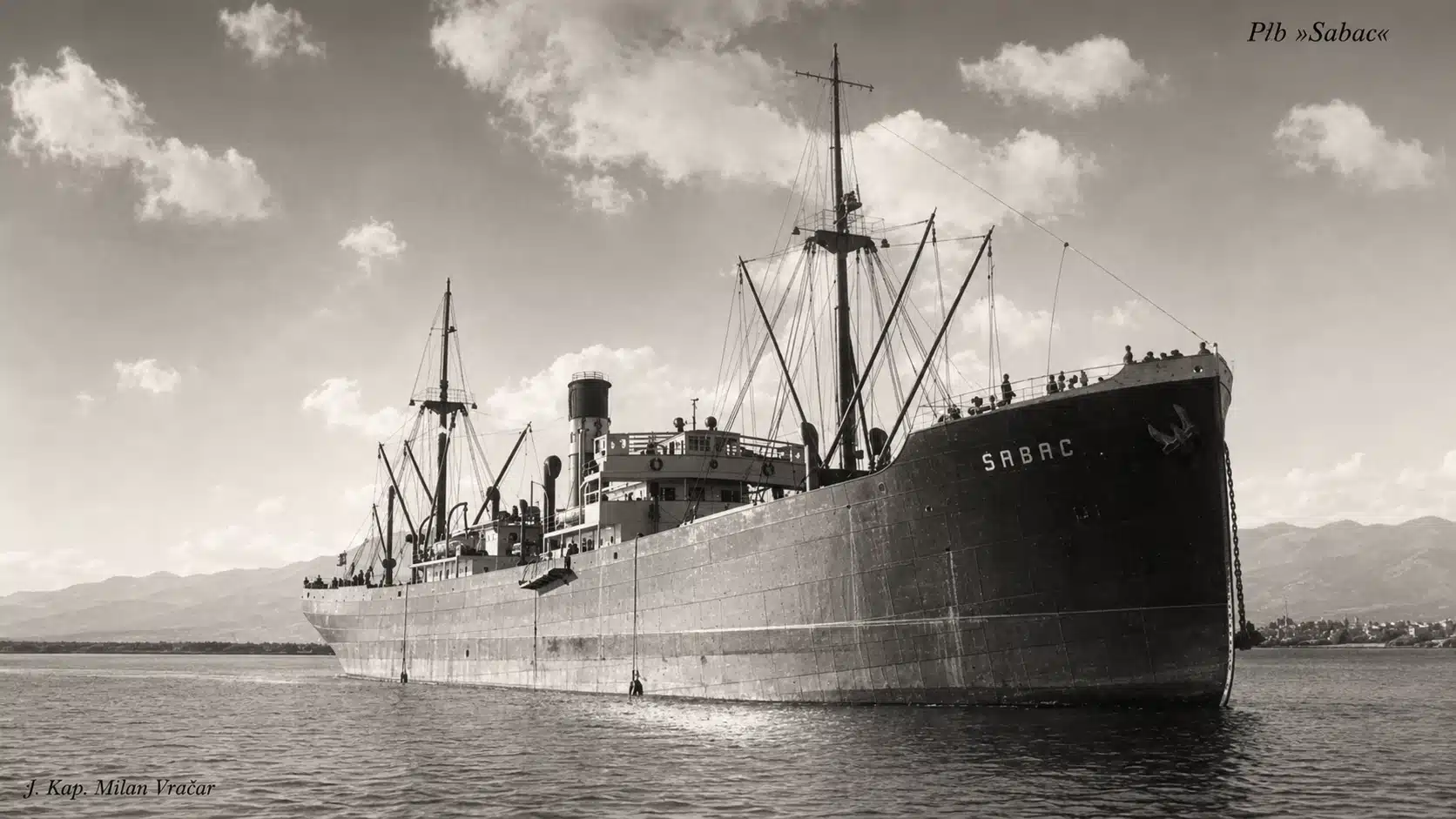
  • SS Sabac (1962)

    Dover Deep Wreck Week
    Dover Marina Esplanade, Dover, Kent, United Kingdom

    The SS Sabac wreck dive takes you to a Yugoslav cargo steamer lost in thick fog after a brutal collision off Dover in 1962. She sank in less than five minutes with bauxite in her holds and 33 crew aboard.

    Only five men survived. Twenty-eight died in the freezing Channel, and ten were never recovered. This is a deep Dover Strait wreck with a dark story, real history and no shortage of atmosphere.

  • MV Andaman (1953)

    Dover Deep Wreck Week
    Dover Marina Esplanade, Dover, Kent, United Kingdom

    On 24 May 1953, Andaman collided with the Panamanian steamer Fortune about 3 miles south of the South Goodwin Lightvessel. She began sinking, and her 38 crew abandoned ship into two boats. The Dover lifeboat launched, but the crew had already been picked up by the SS Arthur Wright, before being transferred to the lifeboat and landed at Dover. No lives were lost. For divers, Andaman is a fine post-war Channel wreck: a substantial Swedish cargo ship, lost in fog near the Goodwins, with a clean rescue story and enough size, structure and atmosphere to make her far more than a name on a chart.

  • SS Luna (1919)

    Dover Deep Wreck Week
    Dover Marina Esplanade, Dover, Kent, United Kingdom

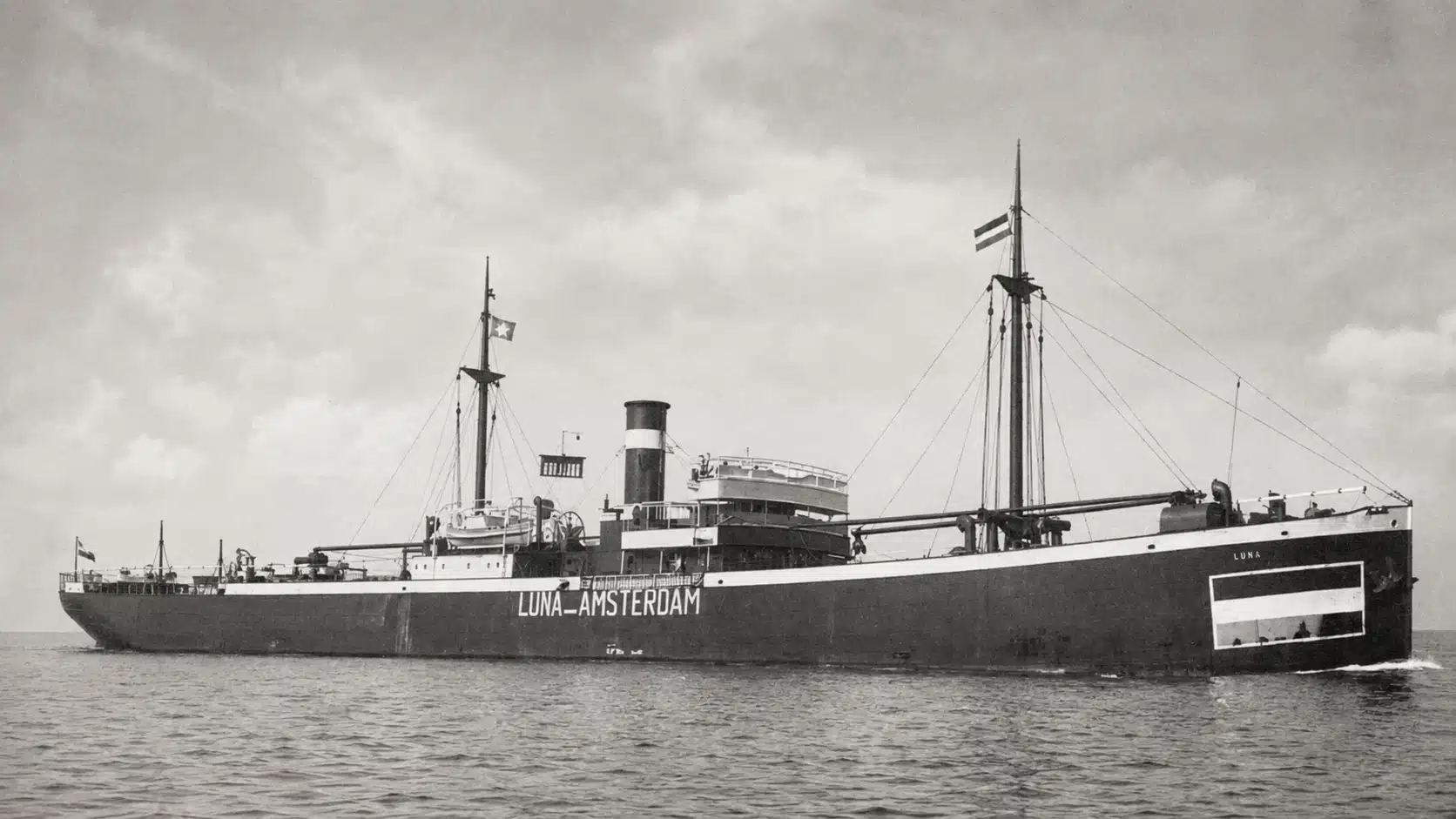
    SS Luna survived the First World War, then sank after the peace, because the Dover Strait apparently keeps its own diary of grudges. Join this SS Luna wreck dive to explore a Dutch cargo steamer lost to a mine near the Goodwin Sands in 1919, with all hands saved and a ship's bell that helped reveal her name nearly 90 years later.

  • Großes Torpedoboot SMS G-85 (1917)

    Dover Deep Wreck Week
    Dover Marina Esplanade, Dover, Kent, United Kingdom

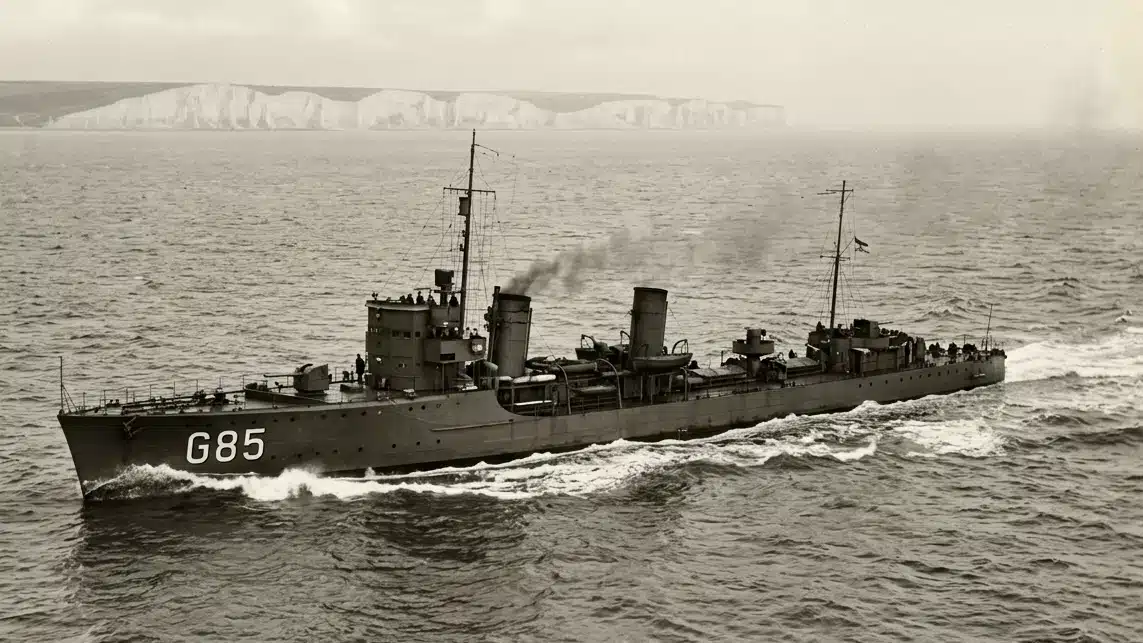
    SMS G-85 came hunting in the dark, then met HMS Swift and HMS Broke in one of the Dover Strait's fiercest night actions. This wreck dive explores the remains of a German torpedo boat lost in 1917, after torpedoes, gunfire and ramming turned the Channel into a steel argument nobody was walking away from cleanly.

  • SS Carmen (1963)

    Dover Deep Wreck Week
    Dover Marina Esplanade, Dover, Kent, United Kingdom

    On 13 June 1963, Carmen was caught in thick fog in the Dover Strait and collided with the Turkish steamship Sadikzade, about 4.5 miles east of the South West Goodwin light buoy and 9.6 miles east of St Margaret’s Bay. She sank with the loss of two crewmen, while the collision set off an absurdly grim chain reaction: Sadikzade then collided with the Greek motor vessel Leandros, which in turn collided with the British tanker Clyde Sergeant. Today, Carmen lies upright and largely intact in around 44 to 45 metres, with her funnel around 30 metres and superstructure rising into the low 30s. For divers, she is a superb deeper Channel wreck: intact, dramatic, well identified, and carrying the unmistakable scar of a fog-bound collision in one of the busiest seaways on Earth.

  • SS Pommerania (1878)

    Dover Deep Wreck Week
    Dover Marina Esplanade, Dover, Kent, United Kingdom

    Her final voyage ended in the Channel on the night of 25-26 November 1878, while returning from New York to Hamburg via Plymouth. Off Folkestone, she was struck amidships on the starboard side by the iron-hulled Welsh barque Moel Eilian, which was bound from Rotterdam to Cardiff. Four of Pommerania’s nine lifeboats were smashed in the collision, and she sank in less than half an hour. Sources vary slightly on the death toll, giving 48, 50 or 55 lives lost, but the scale of the disaster is beyond doubt. Today she lies in about 25 metres, a classic Channel liner wreck with machinery, scattered structure and real human history behind every plate and rib. For divers, this is Victorian steamship history at touching distance, and considerably more exciting than another tidy spreadsheet pretending to be a wreck.

  • SS Cuvier (1900)

    Dover Deep Wreck Week
    Dover Marina Esplanade, Dover, Kent, United Kingdom

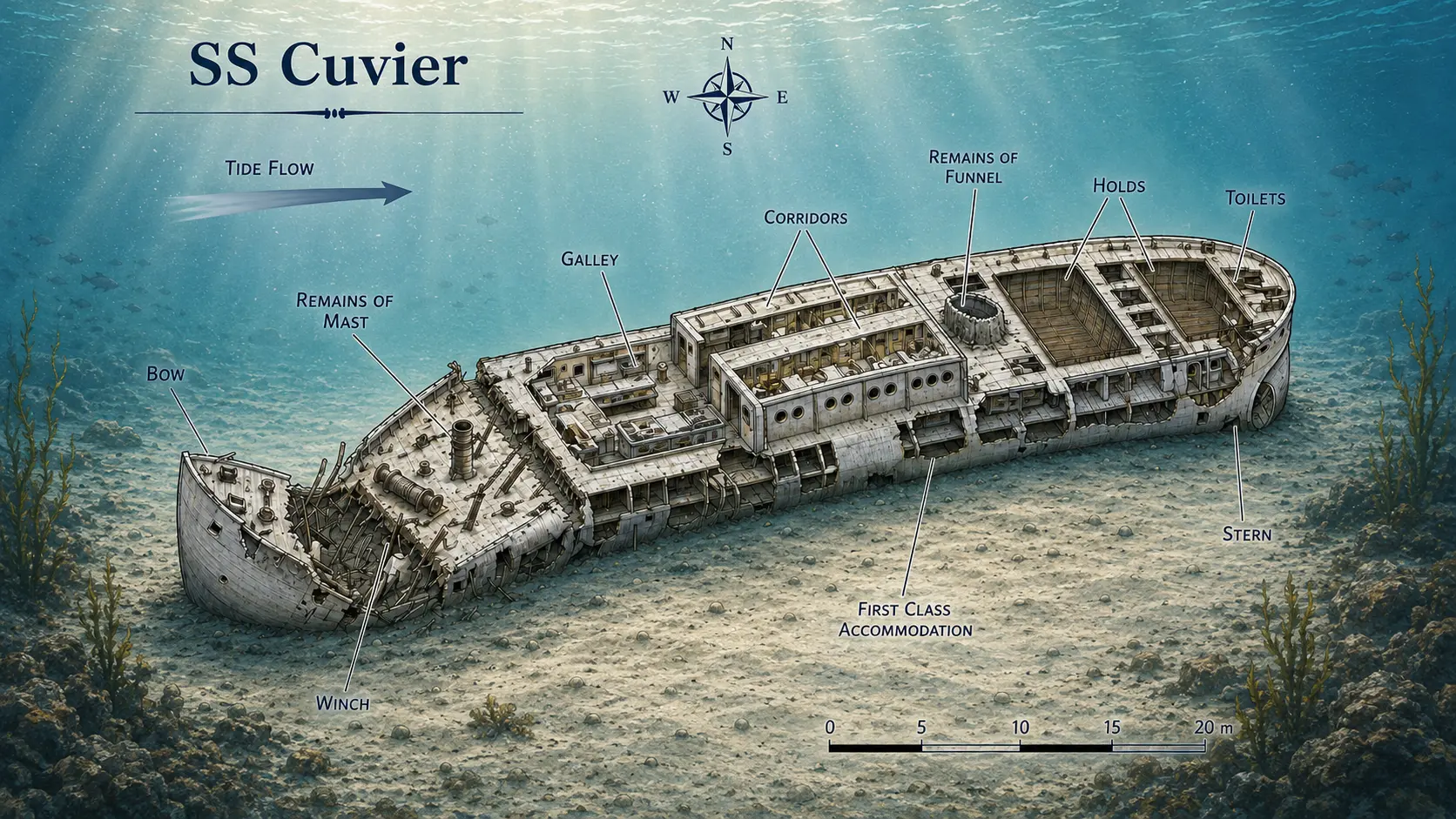
    SS Cuvier was carrying cargo for Brazil when SS Dovre tore into her near the Dover Strait in 1900. Within five minutes she had gone, leaving three survivors clinging to a capsized boat and at least 26 men lost in one of the Channel's sharpest civilian wreck tragedies.

  • HMS Brazen – H80 (1940)

    Dover Deep Wreck Week
    Dover Marina Esplanade, Dover, Kent, United Kingdom

    Her end came on 20 July 1940, when she was attacked by German aircraft off Dover while engaged on Channel convoy duties. Badly damaged in the air raid, HMS Brazen later sank in the English Channel, where her wreck now lies in about 30 metres of water at roughly 51°01'N, 1°17'E. Contemporary naval records note that one member of her ship’s company was killed. For divers, Brazen is a classic south-east coast war wreck: a sleek destroyer, a Battle of Britain era loss, and a site where the story of Britain’s desperate Channel defence still clings to the metal.

  • HMS Flirt (1916)

    Dover Deep Wreck Week
    Dover Marina Esplanade, Dover, Kent, United Kingdom

    HMS Flirt went to help stricken drifters during the 1916 Battle of Dover Strait, then German torpedo boats caught her at point-blank range. This wreck dive follows a Royal Navy destroyer lost in minutes, with sixty dead, nine survivors and one of the Dover Patrol's sharpest night-fighting stories.

  • SS Filleigh (1945)

    Dover Deep Wreck Week
    Dover Marina Esplanade, Dover, Kent, United Kingdom

    At 05:55 on 18 April 1945, only weeks before the end of the war in Europe, Filleigh was torpedoed by U-245, commanded by Oberleutnant zur See Friedrich Schumann-Hindenberg, while in convoy off the North Foreland / Dover Strait area. The same attack also sank the Norwegian ship Karmt. Filleigh went down with the loss of five crewmen, while her master, 37 crew, 10 DEMS gunners and a Belgian pilot were rescued and landed at Dover. For divers, this is a powerful late-war wreck: a large cargo steamer, military cargo, a U-boat attack in the final days of the Battle of the Atlantic, and a site lying in about 50 metres. Not a casual potter, then. More a proper Channel wreck with teeth.

  • SS Unity (1918)

    Dover Marina Esplanade, Dover, Kent, United Kingdom

    SS Unity was carrying ordnance to Calais when UB-57 found her off Folkestone in May 1918. This wreck dive follows a Goole steamer, a deadly Channel crossing, twelve lost crew and a seabed that still holds the small personal traces of a wartime voyage cut short.

×
×

Basket