Some wrecks come with a grand title, a tragic story and enough paperwork to keep a maritime historian quietly twitching for a week. Then there’s the Varne Wreck.
It’s called the Varne Wreck because it sits on the Varne. Nobody knows exactly what it is. Nobody has managed to pin a proper name on it. So, with the full creative force of the diving world behind it, we called it after where it is. And fair play, it still put on a very decent show.
With Mavericks away for its long-awaited inspection and routine maintenance, the day’s outing took place aboard the More Than Mighty RENEGADE. A fine name for a boat, especially when the plan is to go charging off into the Channel looking for anonymous lumps of history. Sensible behaviour, naturally.
Chris had received a useful heads-up from Tom after the previous day’s angling trip. The advice was simple: go straight out. So that’s what they did. And for once, the Channel didn’t immediately punish optimism.
The team were rewarded with a very pleasant 4 to 5 metres of visibility on the Varne Wreck. Not gin-clear, obviously. This is the English Channel, not a hotel swimming pool designed for people with tiny cocktails. But for wreck diving out there, 4 to 5 metres is enough to make everyone smile and pretend they knew it would be good all along.
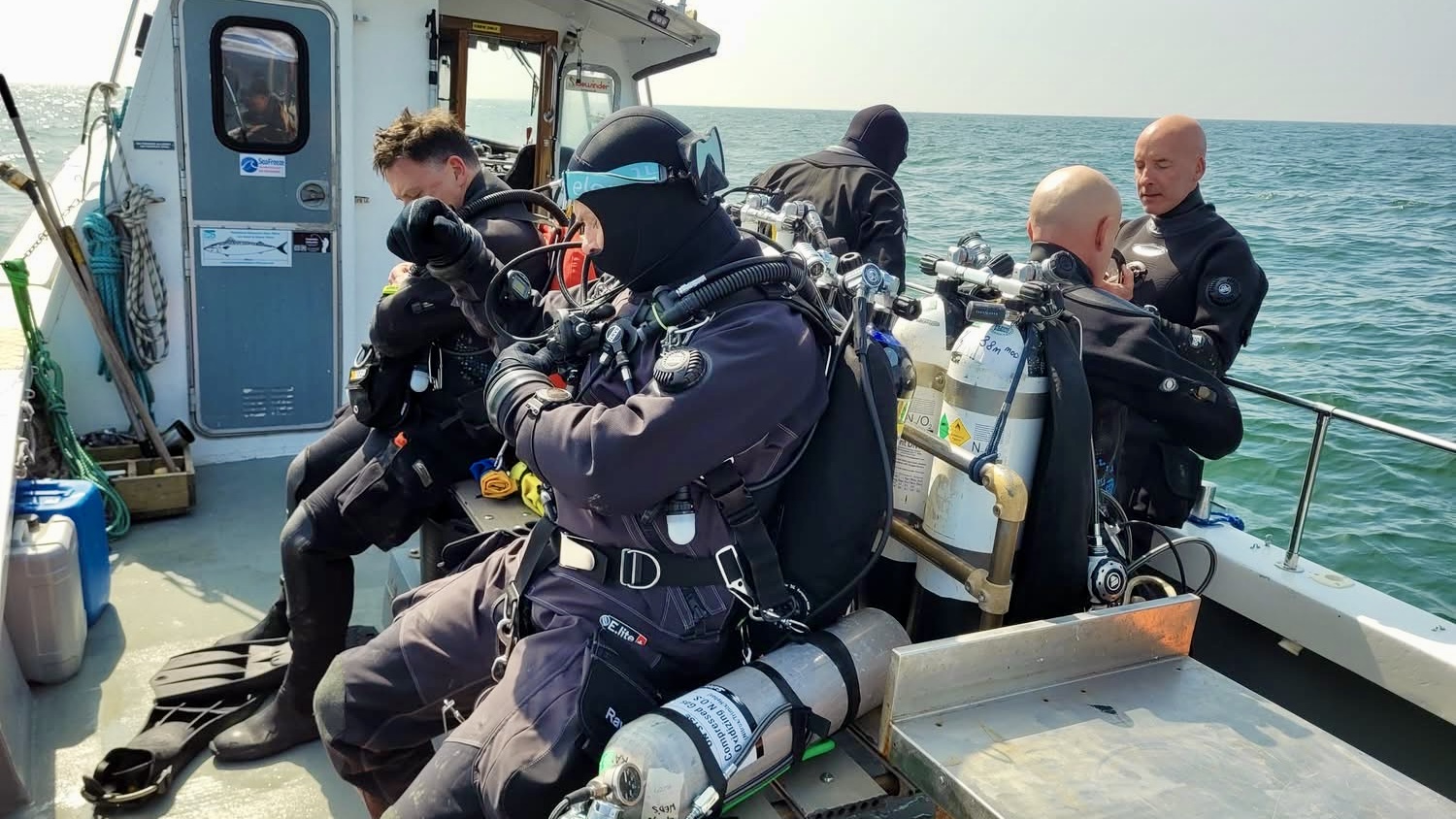
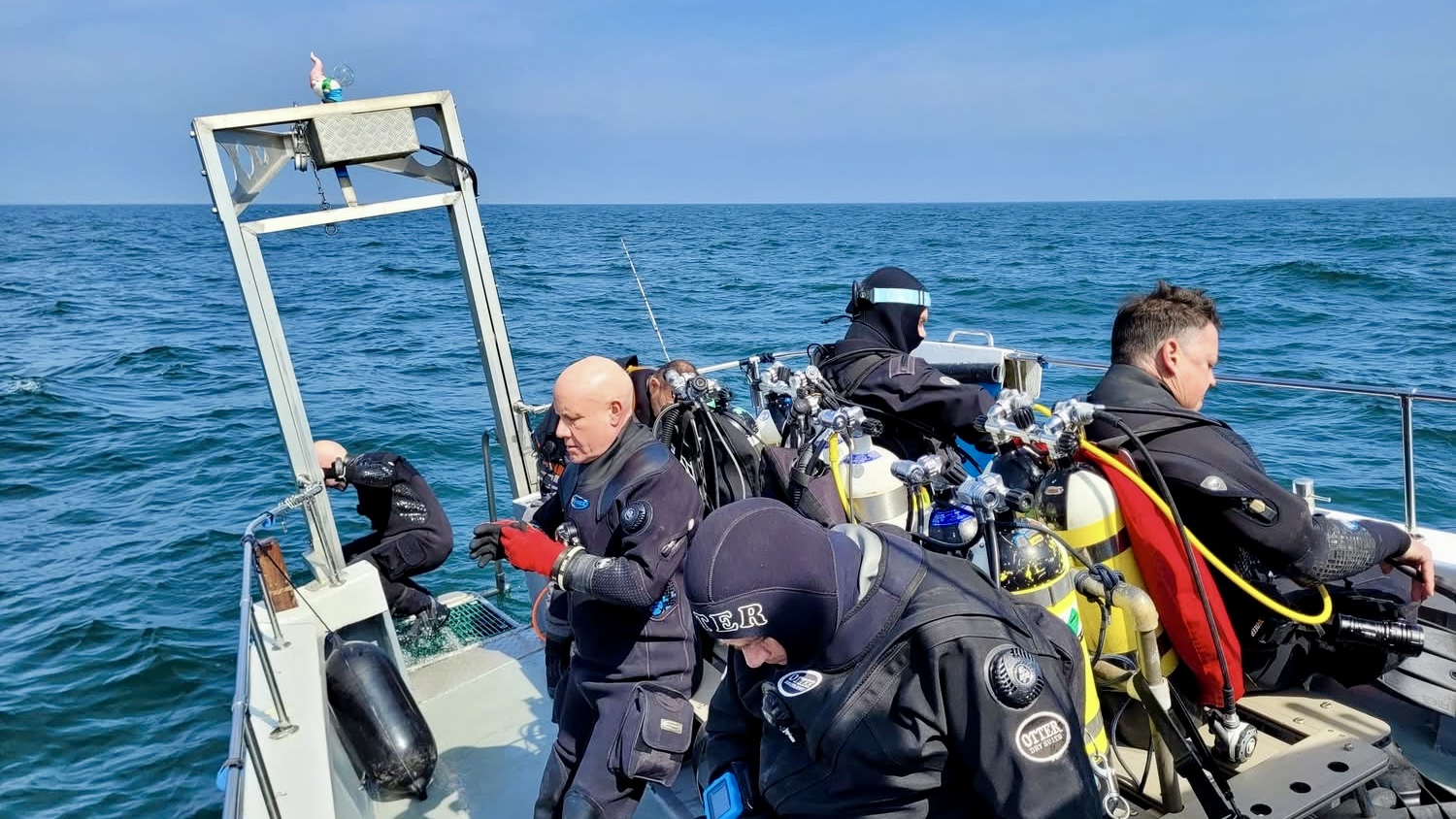
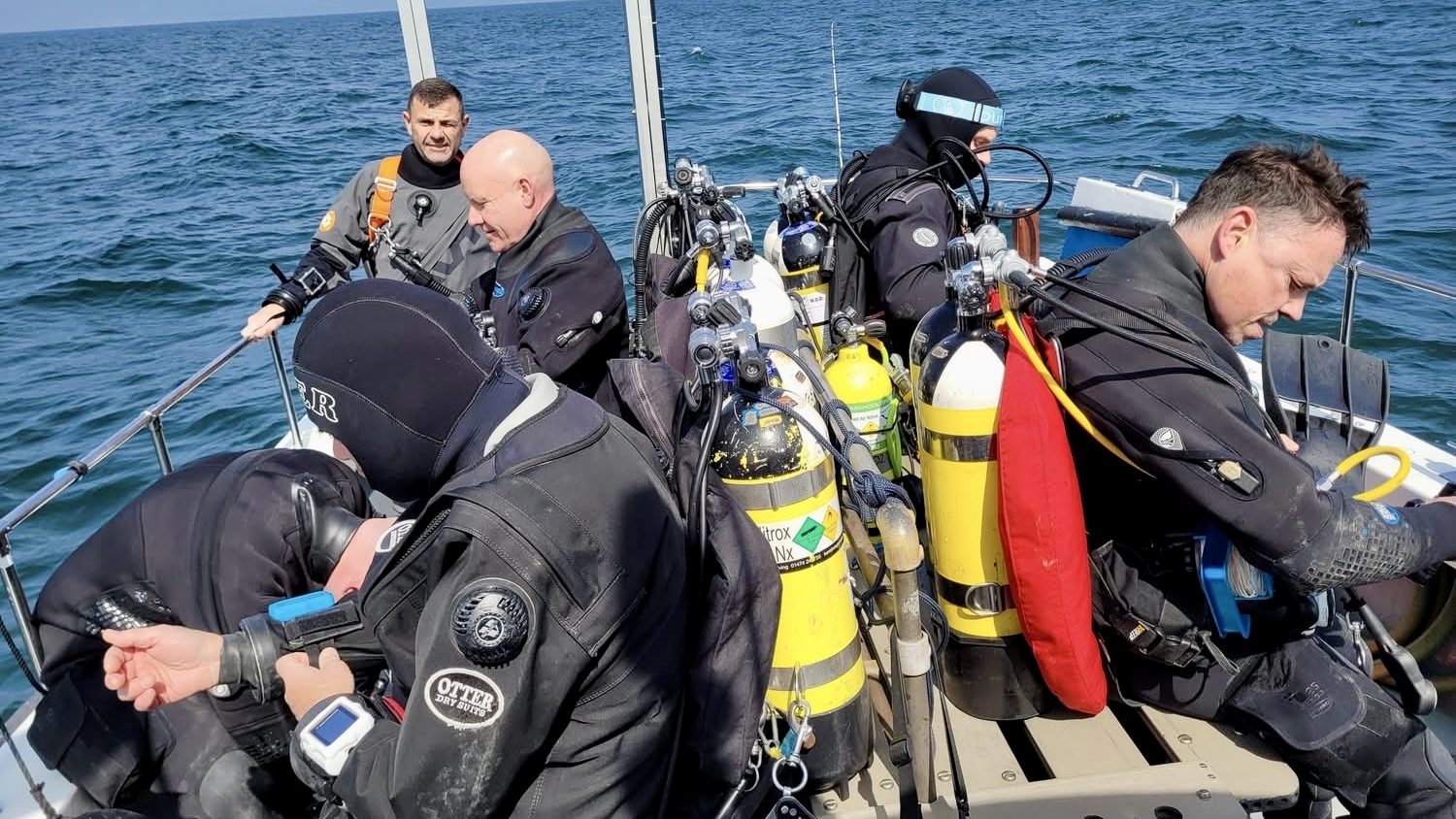
Slack water arrived around 50 minutes earlier than predicted, because tide tables, like printers and government forms, enjoy making life slightly irritating. Fortunately, the divers were ready well ahead of schedule. Kit checked. Cylinders sorted. Reels prepared. General pre-dive faffing completed to the usual professional standard.
There was, however, one important operational decision. Pete C was banned from tying in after his previous effort. More practice required, apparently. Or possibly an upgrade in the talent department. These are the sort of hard truths that keep a dive boat functioning, even if they do cause emotional scarring and muttering into a drysuit hood.
Once in, the dive delivered.





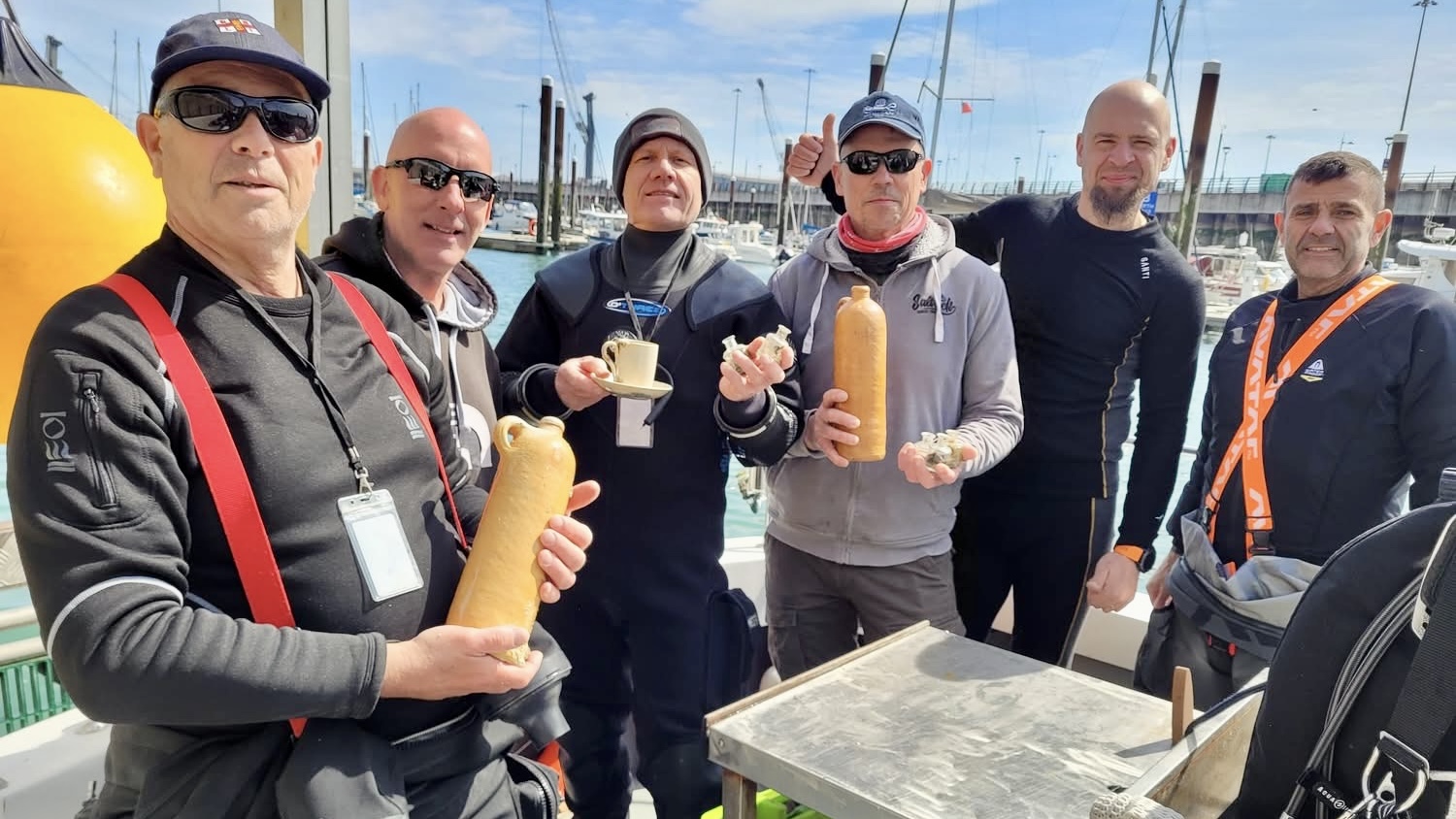
After a 70-minute run time, the divers came back grinning. That’s usually the sign of a proper dive. Either that, or someone has found something interesting and is trying not to look too pleased about it.
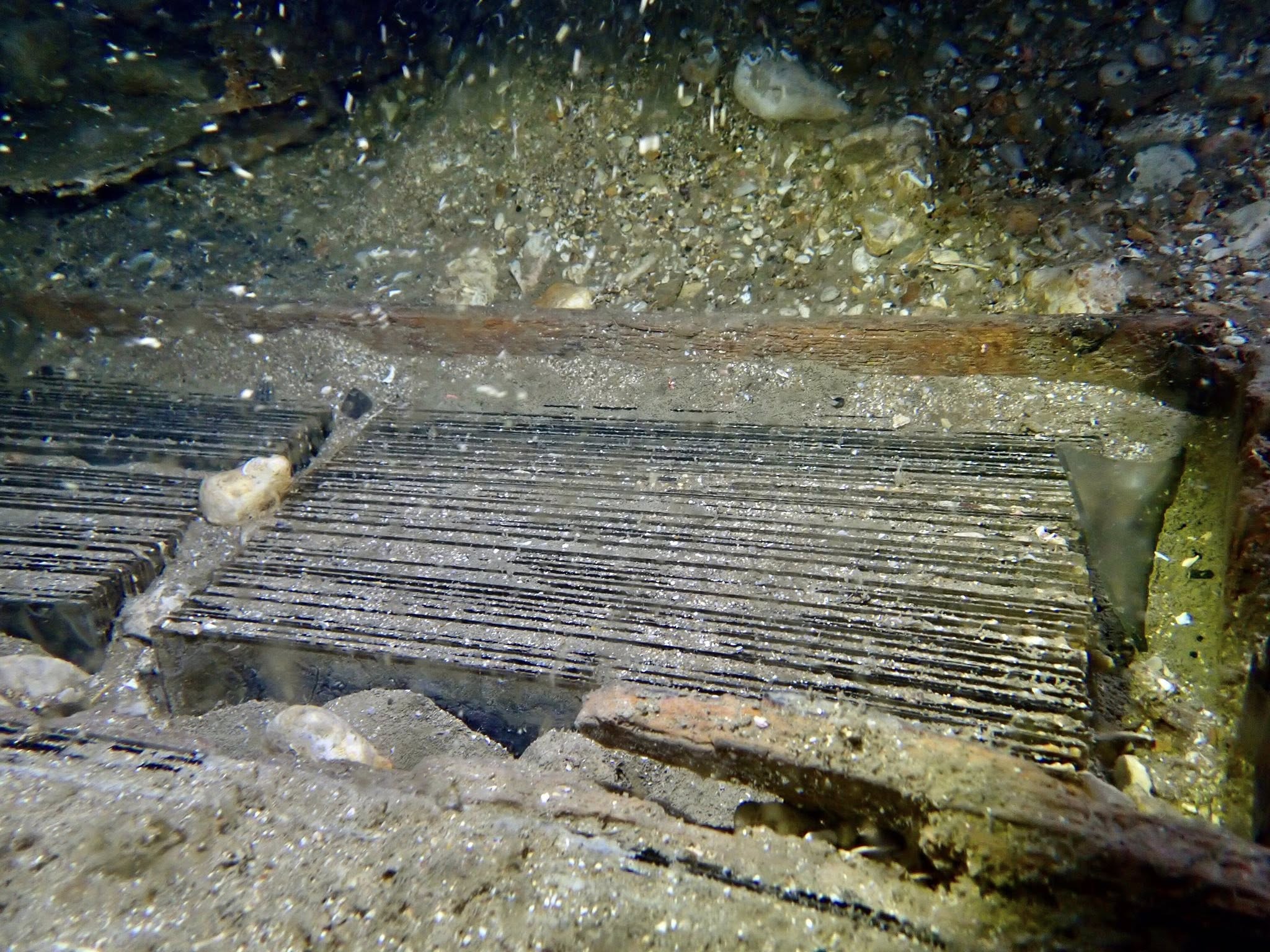
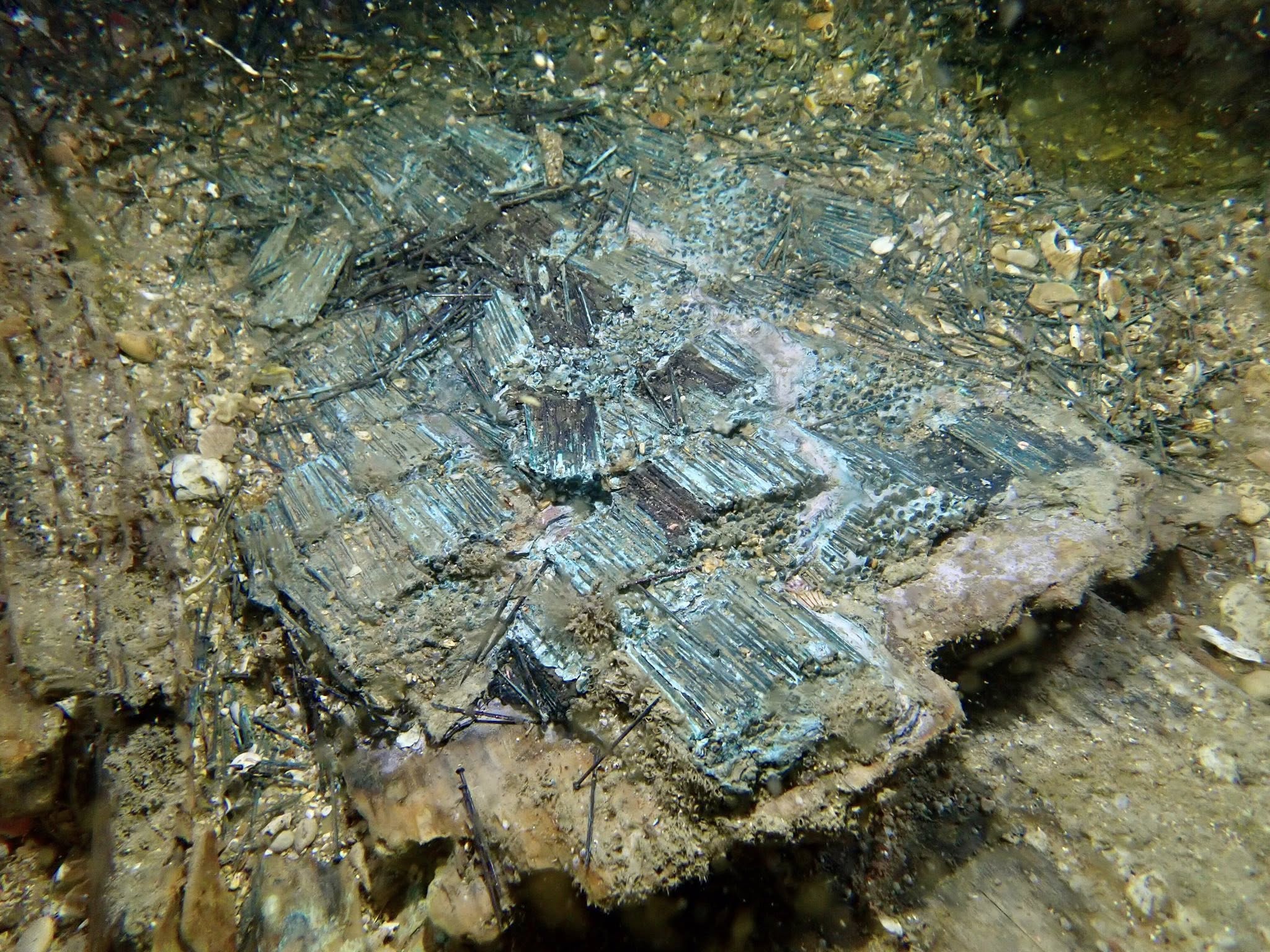
This time, there was treasure of the classic Channel sort: stoneware bottles, small glass bottles, a cup and saucer, and a few other clues from a wreck still refusing to introduce itself properly. There were lobsters too, which always raises morale. The sea may take your shot line, flood your glove and laugh at your buoyancy, but occasionally it hands over dinner. Mysterious beast.
The finds only add to the puzzle. Were the bottles cargo? Ship’s stores? Personal items? Something from a galley? Something from a merchantman quietly lost and then forgotten? Nobody knows yet.
That’s what makes the Varne Wreck such a cracking little mystery. It doesn’t give you the whole story. It gives you fragments. A bottle. A mark. A shape. A bit of glaze. A cup pulled from the seabed. Each one might be a clue, assuming the sea hasn’t been playing silly beggars and moving things about for a century or more.
Back ashore, the essential academic phase of the day took place in Cullins Yard, where the findings were reviewed over two cold Hawkstones. A debrief, naturally. Very serious. Much scholarship. Possibly some chips involved, because archaeology works better when accompanied by refreshment.
So there we are. A good boat. A good crew. A nameless wreck. Decent visibility. Recovered bottles. Lobsters. And the Channel behaving itself long enough for everyone to get back smiling. Not bad for an unidentified wreck on the Varne.
Chris and the team are out again this coming weekend. Keep an eye on the Facebook posts for updates, spaces and the next instalment of “what on earth have we found this time?”






Footnote
The Varne Plate Wreck is probably a late-19th-century wooden sailing cargo vessel, most likely a schooner, brigantine or small barque, carrying mixed Low Countries manufactured goods. The cargo appears to include crated sheet glass, Boch Frères Belgian crockery, Wynand Fockink Amsterdam stoneware gin or genever bottles, small glass ink bottles, copper-alloy nails or hardware, and possibly cement-like cargo.