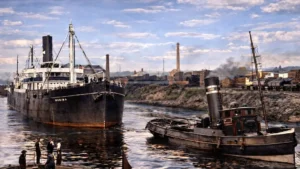

There are wrecks that announce themselves. They arrive in the record with clean dates, tidy causes, and a clerk’s confidence. SM UB-78 did no such thing. She lay off Folkestone for decades as a problem disguised as a wreck. A German submarine from the last hard year of the First World War. A boat built for ambush, sent through one of the most dangerous stretches of water in the world, then misfiled by history as something else entirely. The Admiralty thought she had been rammed. The Germans accepted it. The books repeated it. And then the seabed, inconvenient as ever, produced the truth. The propellers bore her name. UB-78.
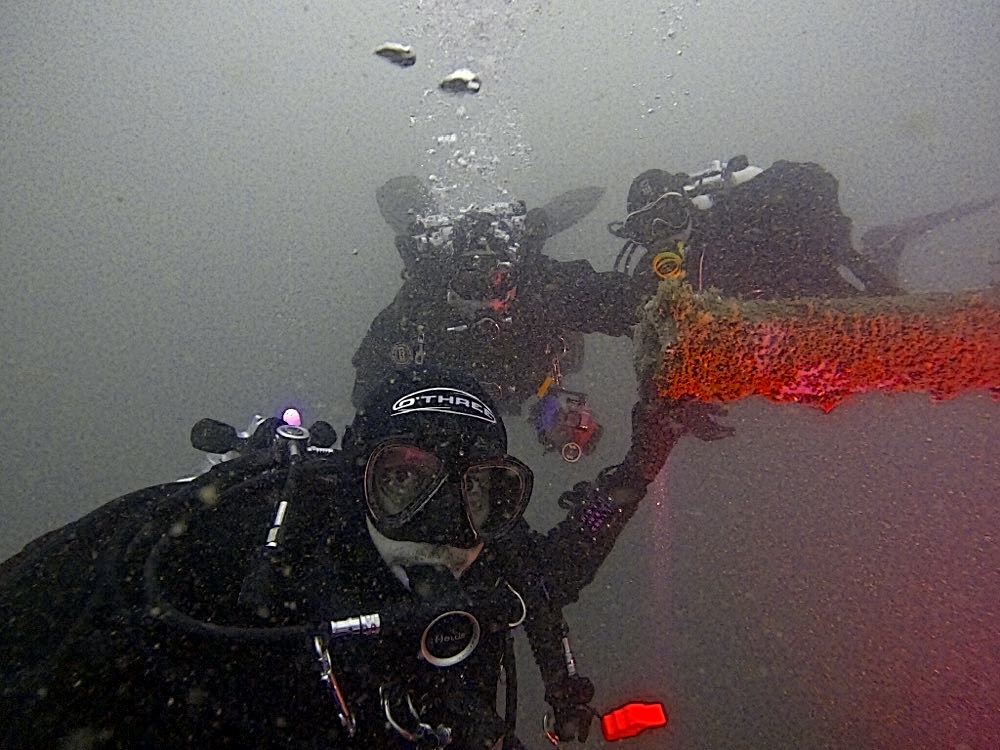
So the old story had to be reopened. She was my first ever dive in Dover, 17 May 2014.
A boat built for a tightening war
UB-78 belonged to the German Type UB III class, a coastal torpedo attack submarine built for a war that had become mechanical, industrial, and increasingly desperate. She was ordered from Blohm & Voss of Hamburg on 23 September 1916, built as yard number 307, and launched on 2 June 1917. She entered service on 20 October 1917.
The UB III design came from a very German sort of compromise: efficient, technical, and born from necessity. Germany needed a medium-sized submarine capable of torpedo attack and longer patrol work. The design drew from the earlier UC II minelaying boats, but replaced the mineshafts with a torpedo compartment and improved her engines and fuel capacity. More than 200 were ordered, though fewer than half entered service before the war ended.
UB-78 displaced about 516 tonnes surfaced and 651 tonnes submerged. She measured 55.3 metres overall, with a beam of 5.8 metres and a draught of about 3.7 metres. Her pressure hull was about 40.1 metres long. She carried two diesel engines for surface running, electric motors for submerged running, two shafts, and bronze propellers. Her armament was serious: four bow torpedo tubes, one stern torpedo tube, a Krupp deck gun, and up to ten torpedoes. Her design complement was around 34 men, though the loss records state 35 men died aboard her.
She was a compact weapon. Not glamorous. Not heroic. A steel tube full of young men, oil, battery fumes, fear, and orders.
From Hamburg to Flanders
UB-78 first came under the command of Kapitänleutnant Woldemar Petri. She served briefly with the V U-Flotille at Bremerhaven, then moved south and west into the more dangerous theatre of the Flanders boats. By February 1918 she had joined the Flandern I Flotilla, operating through the German submarine bases linked to Bruges, Zeebrugge, and Ostend.
The Flanders flotillas lived close to the British throat. From there, U-boats could reach the Channel, the Western Approaches, and the convoy lanes. But every patrol demanded the same ugly bargain: they had to pass through the Dover Strait.
By March 1918, UB-78 had passed to Oberleutnant zur See Arthur Stoßberg. Under him, she carried out a successful patrol. She damaged the armed trawler Strathearn, sank the merchant vessel Polleon, sank the armed drifter Border Lads, and damaged British Star off the Tyne. She returned to Flanders on 28 March 1918. That was the last time she came back.
The narrow door
The British had spent years trying to close it to German submarines. By the spring of 1918, the Dover Barrage had become a layered obstruction of mines, nets, patrol craft, searchlights, flares, and listening posts. Between Folkestone and Cap Gris-Nez, the deep mine barrage held roughly 3,500 mines, arranged in a ladder pattern at depths of about 25 m, 22 m, 18 m, and 12 m.
A surfaced U-boat risked being seen.
A submerged U-boat risked striking a mine.
The alternative was worse in its own way: go north around Scotland, adding distance, time, fuel, and risk. So the Flanders boats kept trying the Strait, because war has always had a talent for making bad options look practical.
The final patrol
UB-78 left Zeebrugge on 18 April 1918. Her patrol area lay in the English Channel and Western Approaches, where troop transports and merchant shipping offered valuable targets. To reach them, Stoßberg had to take her through the British defences in the Dover Strait.
The modern interpretation is that UB-78 struck a mine near Folkestone at about 00:30 on 19 April 1918. British records noted a mine detonation in the area and concluded that a U-boat had probably been destroyed, but the minefield made immediate confirmation too dangerous. There was no neat battlefield report. No prisoners. No wreck inspection. No certainty.
The wreck’s orientation later mattered. Innes McCartney’s work noted that the bow points south-west, which suggests UB-78 was heading outbound from Flanders rather than returning home damaged. That matters because it undermines the old story that placed her loss weeks later, far to the west, after a ramming near Cherbourg.
The submarine died in the minefield she was trying to pass.
All aboard were lost.
The wrong sinking
For years, the accepted account said UB-78 had survived until 9 May 1918, when the cross-Channel transport SS Queen Alexandra rammed a U-boat north of Cherbourg. The story had weight. A lookout saw a submarine submerging. Queen Alexandra turned at speed and struck. Oil and debris appeared. The ship suffered damage. The Admiralty recorded a kill.
The file was closed, because files like being closed.
But the wreck off Folkestone refused to fit.
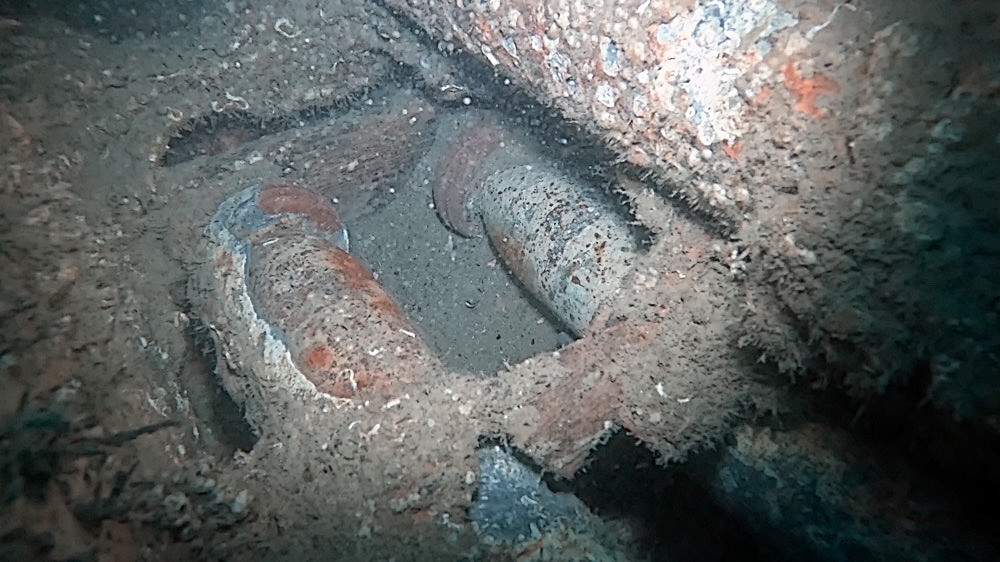
Divers recovered propellers from the Folkestone submarine. They were stamped UB-78 and B&V, for Blohm & Voss. That identification changed everything. If UB-78 lay off Folkestone, she could not also have been the submarine rammed by Queen Alexandra weeks later.
The submarine rammed by Queen Alexandra is now believed to have been UC-78, a different German boat entirely. UC-78 was a Type UC II minelaying submarine, also operating from the Flanders command. Uboat.net records UC-78 as lost on 9 May 1918, rammed by Queen Alexandra west of Cherbourg, with all 29 men lost. Its own notes state that UB-78 was long thought to be the Queen Alexandra victim, until the discovery and identification of UB-78 off Folkestone left UC-78 as the likely boat sunk in that action.
So the correction is simple, and rather brutal.
UB-78 was not Queen Alexandra’s victim.
She was almost certainly mined off Folkestone on 19 April 1918, while trying to pass through the Dover Barrage.
UC-78 took the place in the ramming story that UB-78 had occupied by mistake.
History, naturally, had made a right meal of it.
The men inside UB-78
The archaeological report states that 35 men died aboard UB-78. It also provides a roll of names, using Royal Navy equivalent ranks where known. The printed list in the report appears to contain 34 names, so this roll should be checked against the original memorial or Young’s 2006 source before final publication. Bureaucracy has a grim habit of losing men twice.
The men listed in the principal report are:
- Arthur Stoßberg, commander, listed as Lieutenant-Commander equivalent.
- Brandenburg, Sub-Lieutenant.
- Doerfert, Navigating Petty Officer 1st Class.
- Kübler, Navigating Petty Officer 2nd Class.
- Feyertag, Engine Room Petty Officer 1st Class.
- Herchenröder, Engine Room Petty Officer 2nd Class.
- Kressmann, Engine Room Petty Officer 2nd Class.
- Przibylla, Engine Room Petty Officer 2nd Class.
- Schramm, Engine Room Petty Officer 2nd Class.
- Specht, Engine Room Petty Officer 2nd Class.
- Steen, Engine Room Petty Officer 2nd Class.
- Knöfler, Telegraphist Petty Officer 1st Class.
- Ducke, Telegraphist.
- Schulz, engineering officer candidate or naval engineering aspirant.
- Kunnert, machinery candidate.
- Reckmann, machinery candidate.
- Bauer, Stoker.
- Borgmann, Stoker.
- Böhler, Stoker.
- Dengler, Stoker.
- Heimbech, Stoker.
- Koch, Stoker.
- Nahrstedt, Stoker.
- Nix, Stoker.
- Bloss, Seaman.
- Hale, Seaman.
- Helmer, Leading Seaman.
- Kundschaft, Seaman.
- Morgenstern, Seaman.
- Rusp, Seaman.
- Schück, Seaman.
- Weinrich, Seaman.
- Wolf, Seaman.
- Zickoll, Seaman.
A likely missing name appears in some memorial and wreck-index references as Theodor Strotmann, Matrose, but he does not appear in the Historic England report’s printed list. I would treat that as a publication note requiring final verification rather than guesswork dressed as certainty, the oldest fraud in maritime writing.
The wreck today
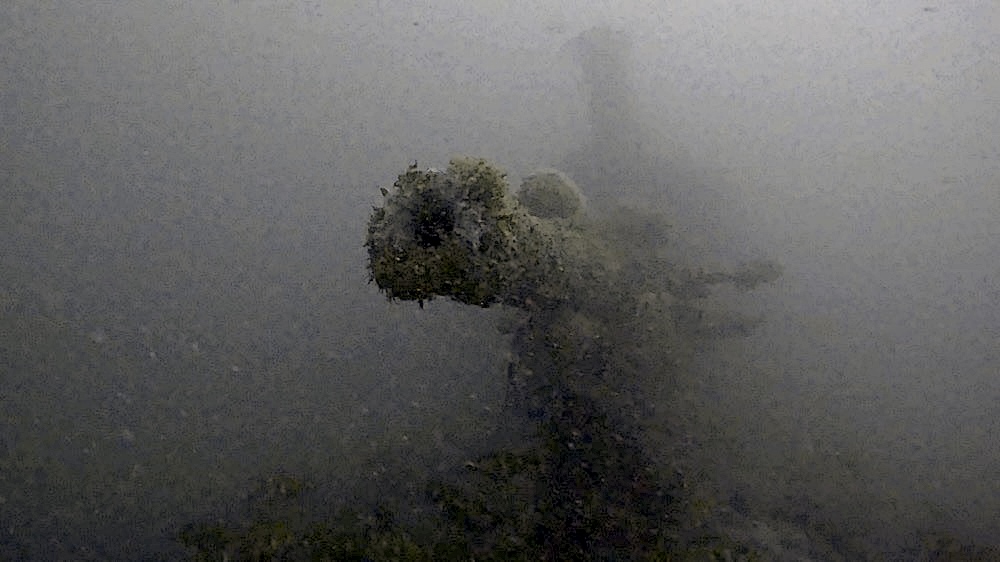
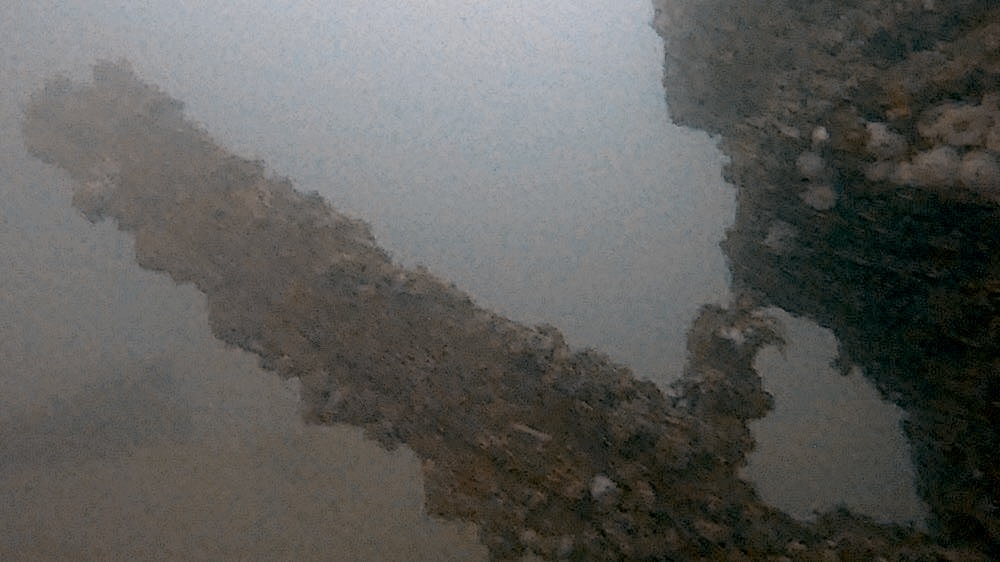
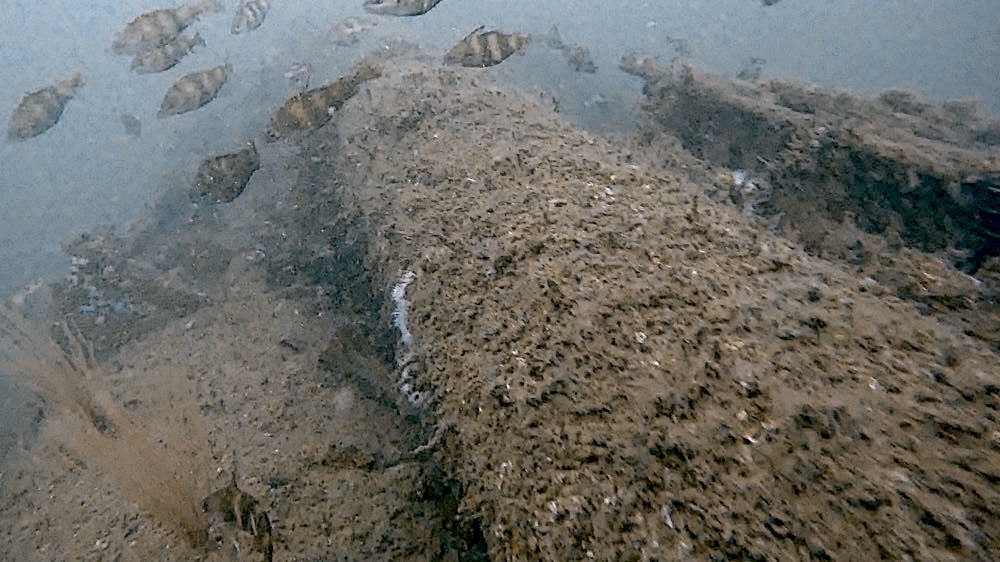
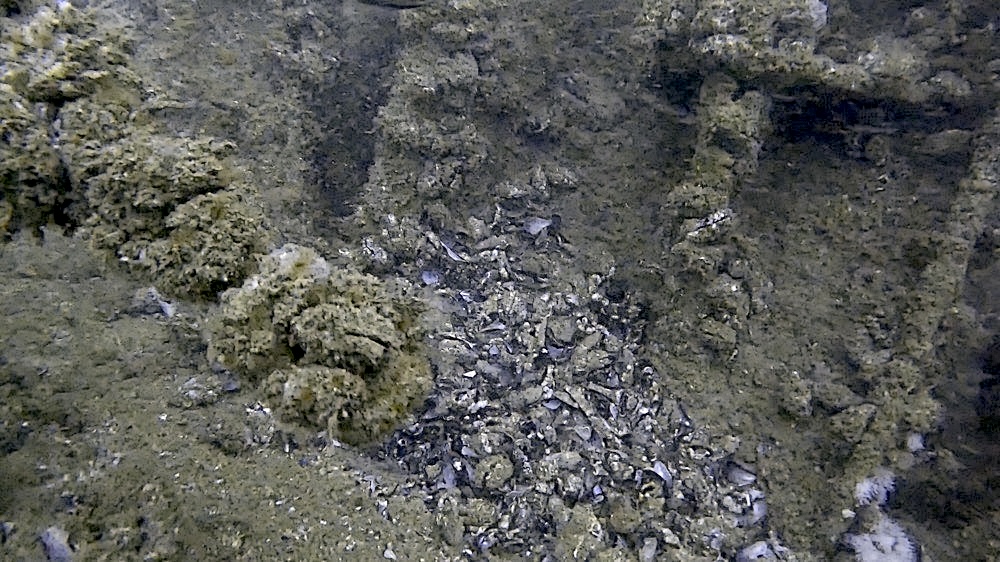
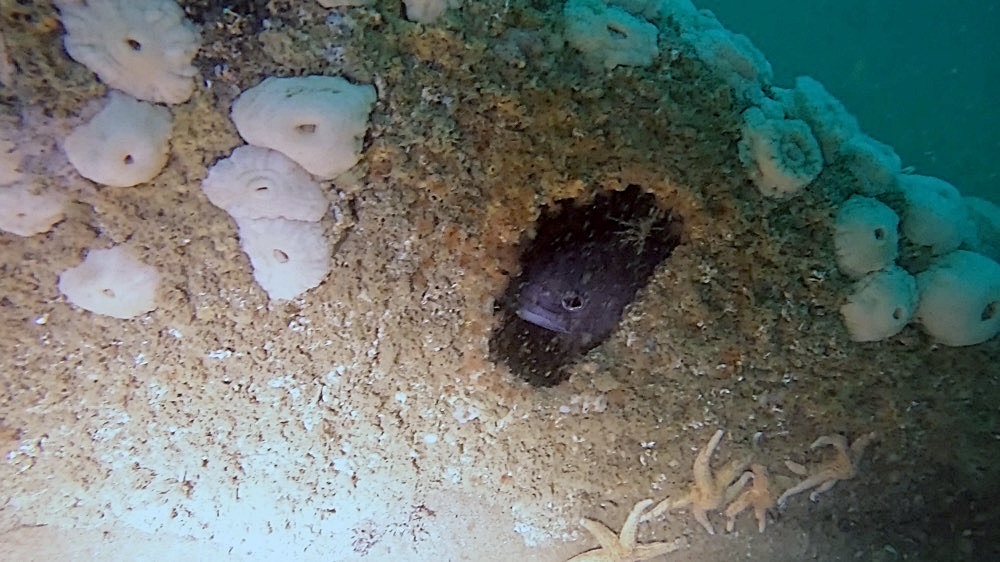
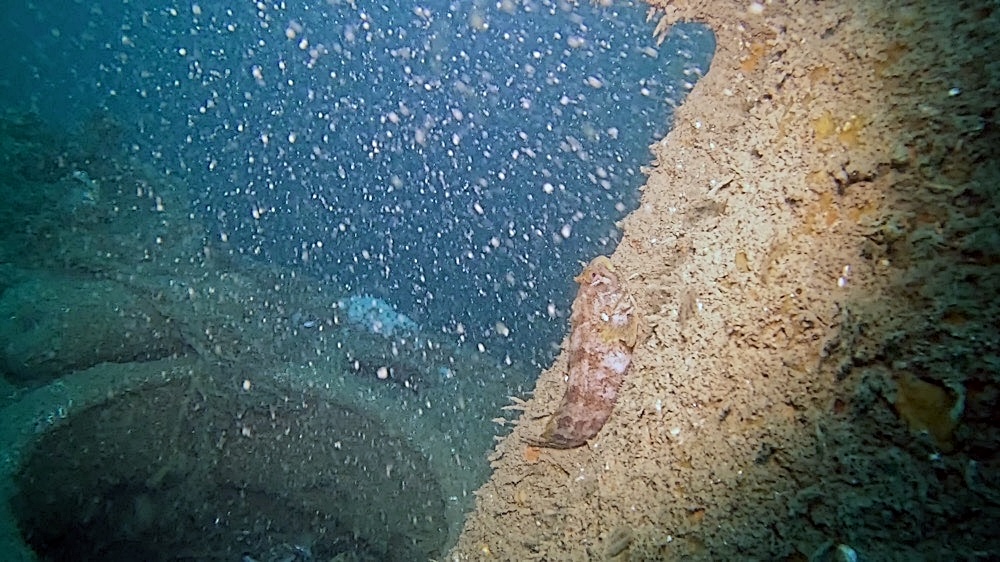
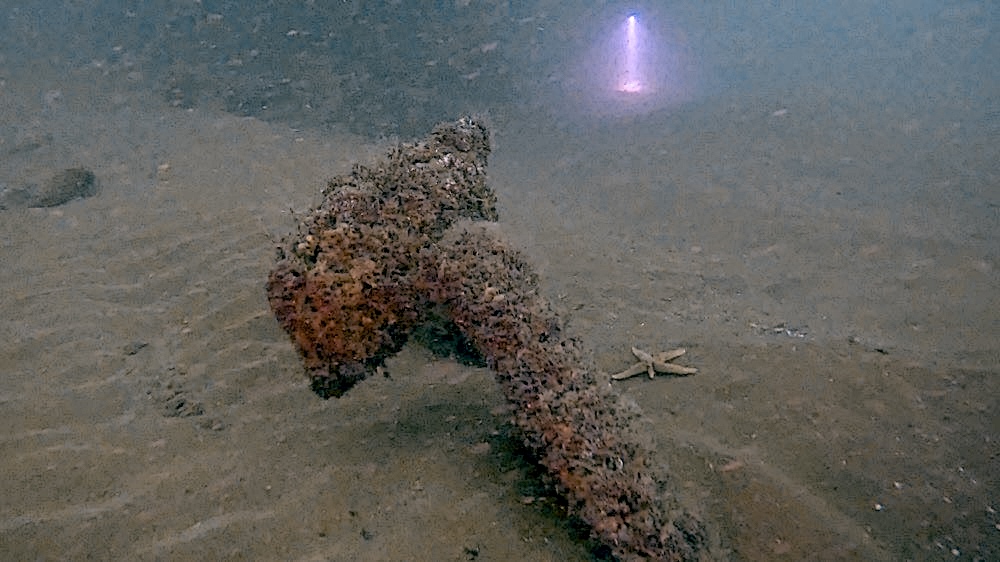
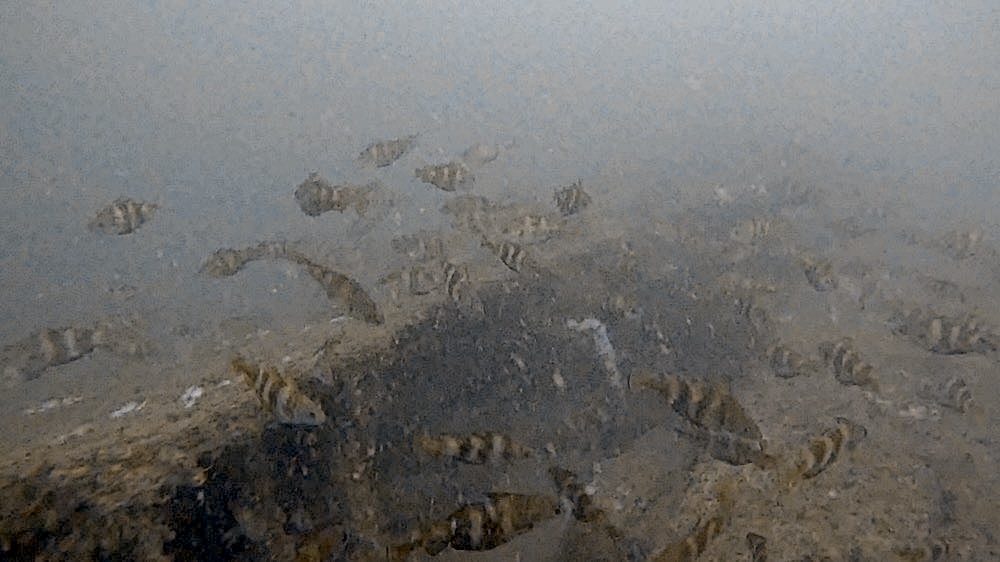
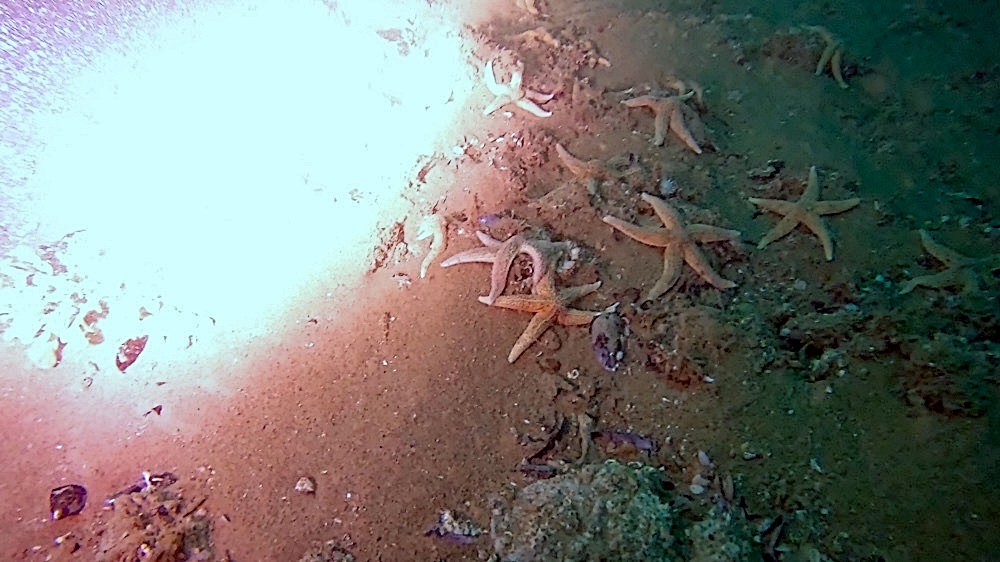
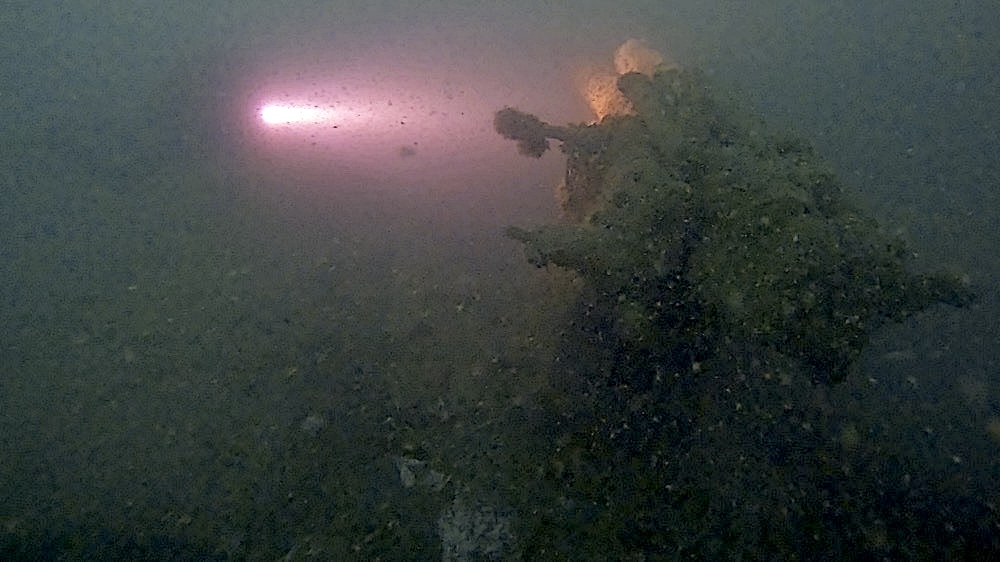
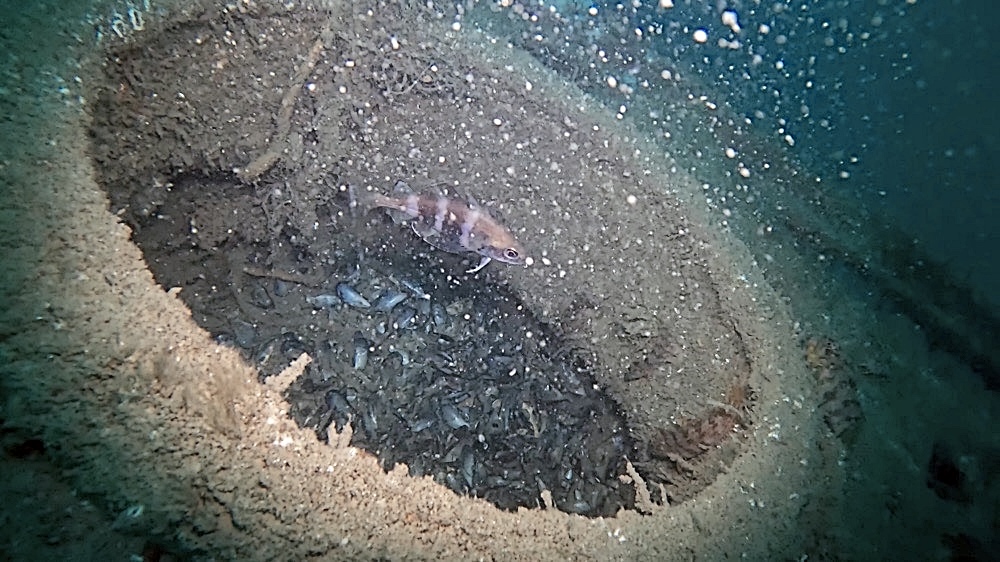
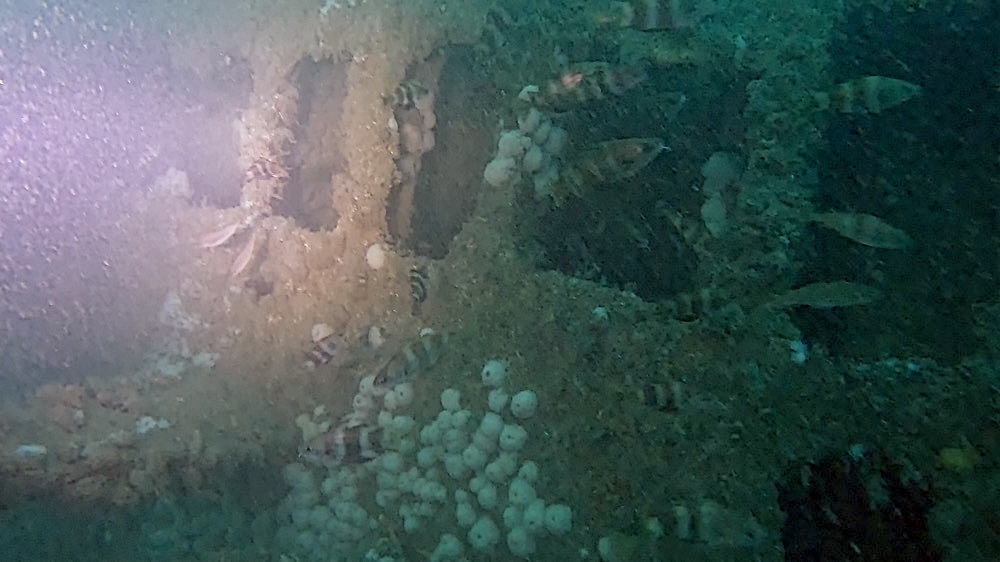
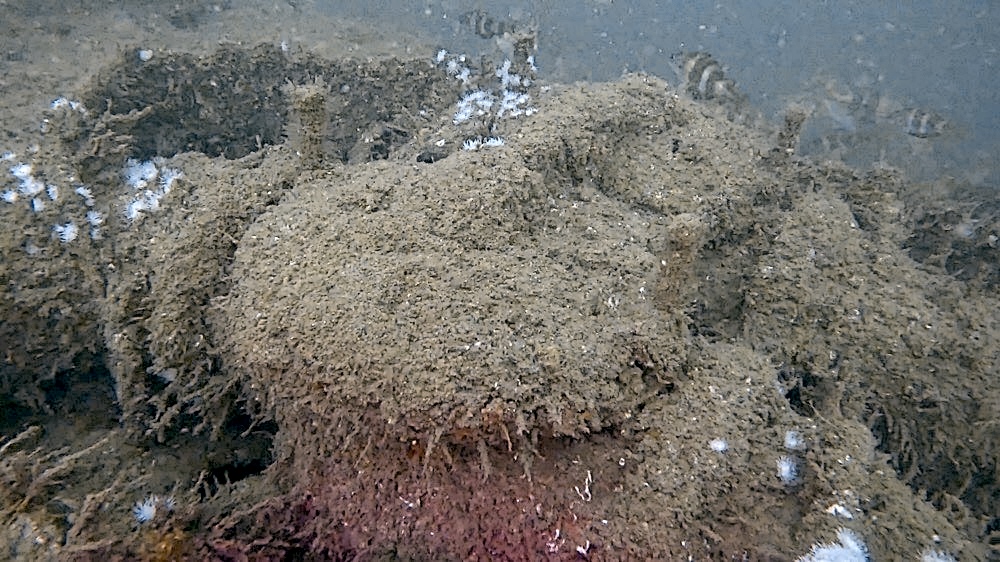
UB-78 lies off Folkestone in about 23 m general depth, close to the old Dover Barrage line. The archaeological report describes a main hull section and a small stern section close by, but this should not be confused with one of the submarines broken into two major wreck sites. Divers know UB-78 as a substantially recognisable submarine wreck, with the main hull still reading as one coherent boat. The report also records that no human remains were observed during the survey.
That matters. This is not a scrap heap with a convenient name attached. It is the place where Stoßberg and his crew disappeared into the war.
In 1977, HMS Bulldog located the wreck during a hydrographic survey. Divers later investigated the site, and by the 1990s its identity had become clear through recovered material, especially the marked propellers. One was eventually donated to the German Maritime Museum in Wilhelmshaven.
The wreck is now treated as a protected military wreck site. For divers, that means the usual rule applies: look, understand, photograph, and leave the dead in peace. A simple instruction, and still apparently beyond some members of our clever species.
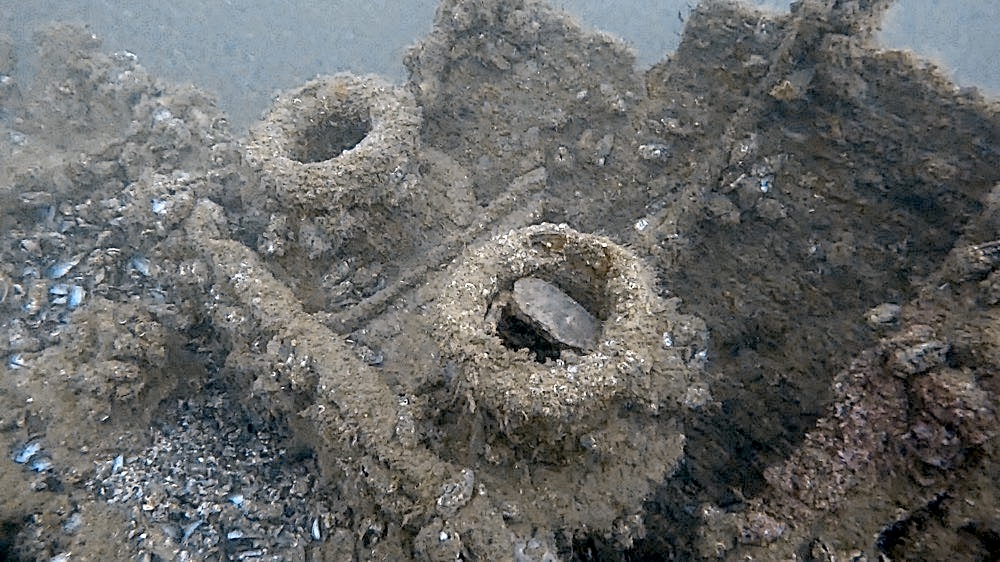


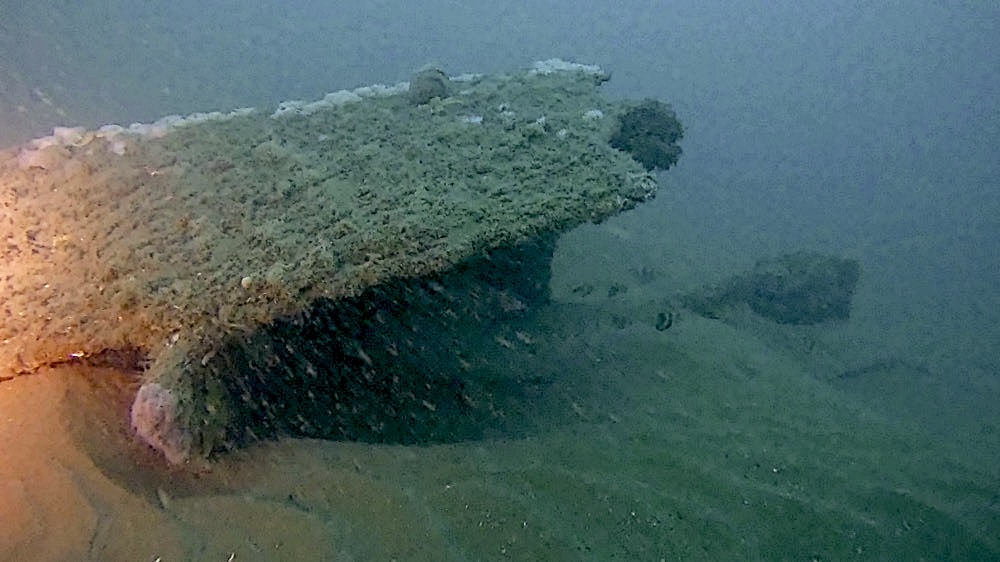


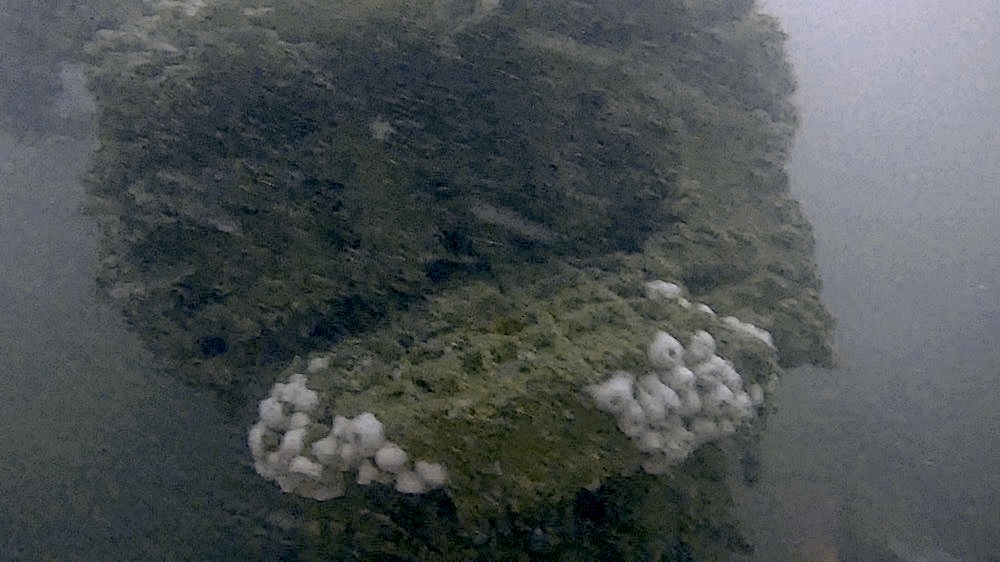





What UB-78 tells us
The story of UB-78 is not the story the files first told. The files said she was rammed near Cherbourg. The wreck said otherwise.
She had left Zeebrugge on 18 April 1918, slipped into the Dover Strait, and met the British mine barrage off Folkestone in the first hours of 19 April. The sea kept the evidence. The divers found it. The propellers named her.
And so UB-78 returned to the record, not as Queen Alexandra’s victim, but as one more Flanders boat lost in the narrow water between England and France. UC-78 inherited the ramming. UB-78 kept the minefield. Two German submarines. Two lost crews. One long confusion.
The difference lies in the seabed. That is where the clerks stop talking.
Footnote
UB-78 is one of a relatively small number of German U-boats protected under the UK’s Protection of Military Remains Act 1986. She was first designated in the 2019 Designation of Vessels and Controlled Sites Order, listed with a sinking date of 19 April 1918. The current 2026 Order continues that protection, naming UB-78 in Schedule 1 as a designated vessel. Under the Act, a designated vessel is treated as a military wreck site: divers may look, but must not disturb, enter, recover artefacts from, or interfere with the wreck unless licensed.
Legal note
UB-78 was first designated under the 2019 Order, where it appears in Schedule 1 with the sinking date 19 April 1918. The 2019 explanatory note states that UB-78 was one of the vessels newly designated for the first time under that Order.
The 2026 Order keeps UB-78 on the protected list, again naming her in Schedule 1 as “the UB-78”, with the date of sinking given as 19 April 1918.
The important distinction is between a designated vessel and a controlled site.
UB-78 is a designated vessel, sometimes described in diver shorthand as a protected military wreck or protected place. That means recreational diving is not automatically banned, but the wreck must be treated on a look, don’t touch basis. You must not remove anything, disturb anything, damage anything, or enter hatches or openings. GOV.UK guidance says protected places may be visited on that basis, while controlled sites are different and diving is prohibited unless specifically authorised.
A controlled site is the stricter category. Those sites have charted positions and exclusion areas. BSAC summarises it neatly: protected places may be dived without permission, but divers must not enter the vessel or take anything; controlled sites may not be dived without MOD permission.
UB-78 was first protected under the UK’s Protection of Military Remains Act 1986 by the 2019 Designation of Vessels and Controlled Sites Order. The current 2026 Order continues that protection, listing UB-78 as a designated vessel with a sinking date of 19 April 1918. This does not make the wreck a no-dive controlled site, but it does mean the submarine must be treated as a protected military wreck: look, photograph, remember, and leave everything exactly where it lies.