
On 31 May 1908, the British steamship SS Loanda was lost in one of the most common yet deadly hazards of early 20th-century navigation, a collision in dense fog. The English Channel, already one of the busiest shipping lanes in the world, was particularly unforgiving in poor visibility. Radar did not exist, and ships relied on whistles, lookouts, and judgement. When that failed, the results were often catastrophic.
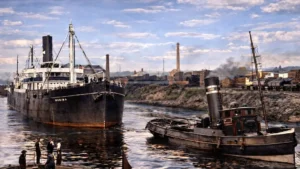
Loanda, Official Number 98656, was a steel screw steamer built in the late 19th century for long-distance trade. She was part of the steady flow of merchant vessels moving between Britain, Africa, and beyond, carrying mixed cargo typical of the era. Her voyages were routine, but the Channel was always the most dangerous stretch, where traffic converged and conditions could change in minutes.
In thick fog off the English coast, Loanda collided with the Russian vessel Junona. With visibility near zero, neither ship had sufficient warning to avoid impact. The force of the collision caused severe structural damage, and Loanda began to founder. Despite efforts to manage the situation, the damage proved fatal, and she sank not long after the impact.
The loss of life was mercifully limited, though any casualty at sea carries weight. Survivors owed their lives to the discipline of the crew and the ability to abandon ship under pressure, something far from guaranteed in such conditions. Incidents like this were a harsh reminder of how vulnerable even well-handled ships were before modern navigation systems.
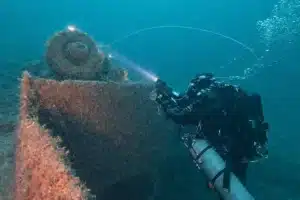
Today, the wreck of SS Loanda rests on the seabed of the English Channel, a relic of a time when maritime trade operated with far fewer safeguards. For divers, the site offers a tangible link to that moment in 1908, when two ships met unseen in the fog. For historians, it stands as another entry in the long record of collisions that shaped improvements in maritime safety, from signalling to the eventual introduction of radar.