• SS Empire Rupert (1945)

    Dover Marina Esplanade, Dover, Kent, United Kingdom

    Built in 1943 as a British rescue and salvage tug, the SS Empire Rupert was lost on 24 January 1945 after a collision with SS Twickenham Ferry about 10 miles off Dover in the English Channel. She now lies in roughly 45 to 56 m of water, one of the deeper wartime losses off Kent and a proper reminder that even tough little working tugs could come to a sudden, ugly end in the Dover Strait.

  • SS Loanda (1908)

    Dover Marina Esplanade, Dover, Kent, United Kingdom

    SS Loanda was lost in 1908 after a collision in thick Channel fog. A routine voyage ended in disaster off the English coast.

    Get Tickets £70.00 10 tickets left
  • HMTS Monarch (1915)

    Dover Marina Esplanade, Dover, Kent, United Kingdom

    The cable ship HMTS Monarch was lost off Folkestone on 8 September 1915 after striking a mine while engaged in wartime cable service. Built for the General Post Office, she was one of Britain’s specialist telegraph ships, a vessel designed to connect shores that instead became another casualty of the Dover Strait.

  • SS Toward (1915)

    Dover Marina Esplanade, Dover, Kent, United Kingdom

    Built in Glasgow in 1899, the British steamship Toward was sailing from London to Belfast with general cargo when she struck a mine off the Kent coast on 31 October 1915 and sank near the South Foreland. Today she is remembered as one of the Dover Strait’s harsh wartime losses, a working cargo steamer brought down in an instant by a minefield rather than storm or collision.

    Get Tickets £70.00 10 tickets left
  • SS Mount Stewart (1864)

    Dover Marina Esplanade, Dover, Kent, United Kingdom

    The SS Mount Stewart was a 738-ton British steel screw steamer on passage from Rotterdam to Bilbao in ballast when she was lost a few miles south-south-east of Folkestone on 24 July 1894. For Kent divers she remains one of those older Channel casualties with a frustratingly hazy identity, a modest Victorian steamer swallowed by the same stretch of water that has been making paperwork miserable for more than a century.

  • SS Eidsiva I (1915)

    Dover Marina Esplanade, Dover, Kent, United Kingdom

    Commonly listed simply as SS Eidsiva, this 1,092-ton Norwegian steam cargo vessel was carrying coal when she struck a mine laid by UC-6 and sank off Folkestone on 31 October 1915. She was the first of four vessels lost in the same deadly Dover Strait mine incident that day, which is the sort of efficiency only war could call a plan.

  • SS Leo (1940)

    Dover Marina Esplanade, Dover, Kent, United Kingdom

    The British steamship Leo was carrying coal from Seaham to Portsmouth when she was attacked and sunk by German Stuka bombers off Sandgate on 25 July 1940. She remains one of the lesser-known but stark wartime losses off the Kent coast, caught in the violence that turned the Channel into a battlefield.

  • HMT Corona – FY1137 (1916)

    Dover Marina Esplanade, Dover, Kent, United Kingdom

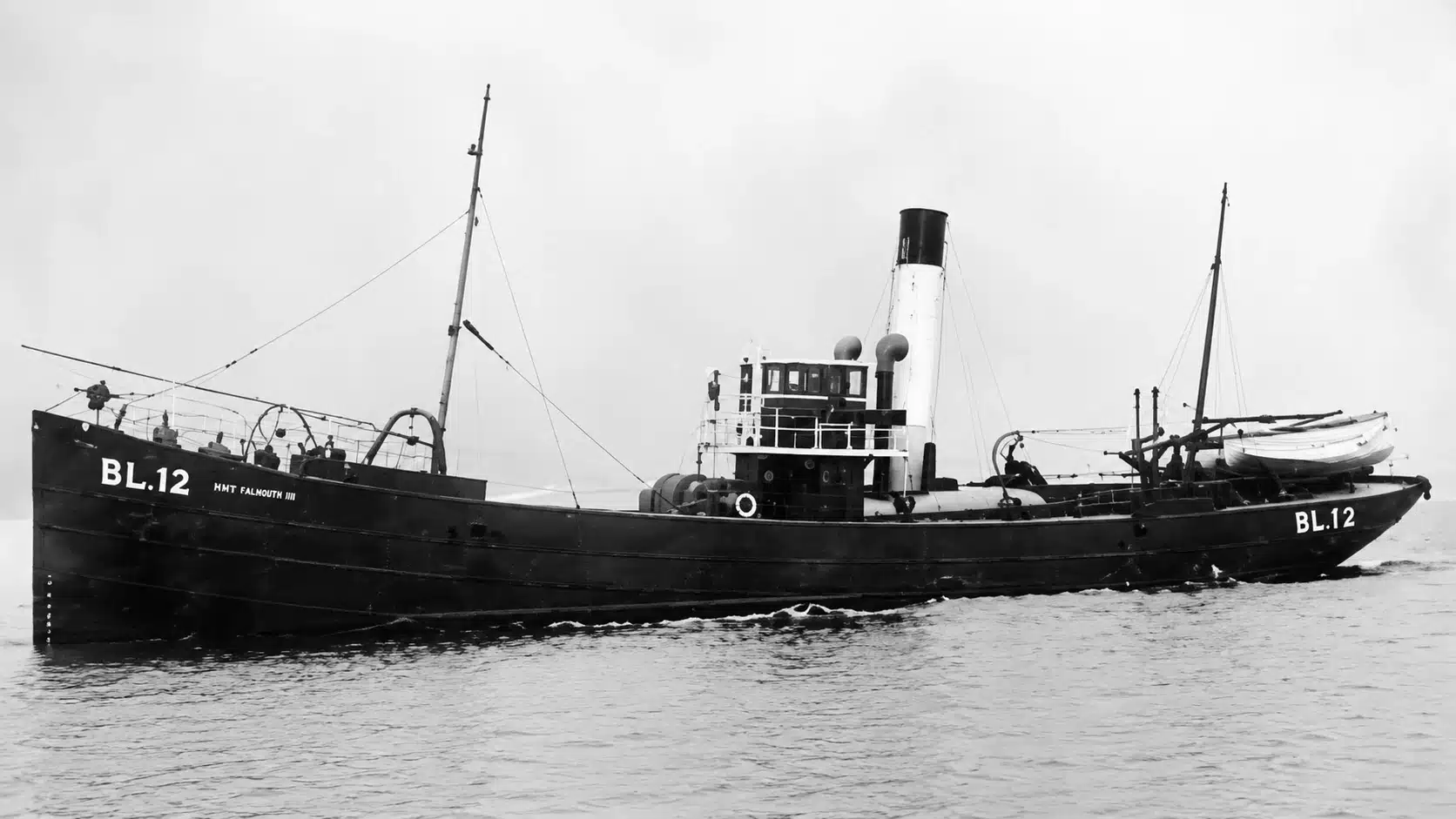
    HMT Corona (FY1137) was a British naval trawler lost on 23 March 1916 after striking a mine laid by the German submarine UC-6 off Ramsgate. One of the lesser-known Dover Strait losses of the First World War, she sank with the loss of 13 crew, a blunt reminder that these working patrol craft faced the same brutal odds as far larger warships.

  • HMT Carlton – FY1965 (1916)

    Dover Marina Esplanade, Dover, Kent, United Kingdom

    HMT Carlton (FY1965) was a Royal Naval Reserve trawler lost on 21 February 1916 after striking a mine laid by the German submarine UC-6 off Folkestone, roughly 3.5 nautical miles south-east of East Wear Bay. Today she lies in about 25 m of water, one of the Dover Strait’s smaller wartime losses and a reminder that even humble patrol trawlers were fed into the Channel’s grinding appetite for wrecks.

  • HMT La Nantaise – FY360 (1945)

    Dover Marina Esplanade, Dover, Kent, United Kingdom

    Originally built as the steam trawler St. Arcadius in 1933, HMT La Nantaise ended her days off the Kent coast in July 1945 after a collision with the steamship Helencrest. Today she lies in 15 m of water, a modest depth with a story far bigger than the seabed she rests on.