• SS Valuta (1886)

    Dover Marina Esplanade, Dover, Kent, United Kingdom

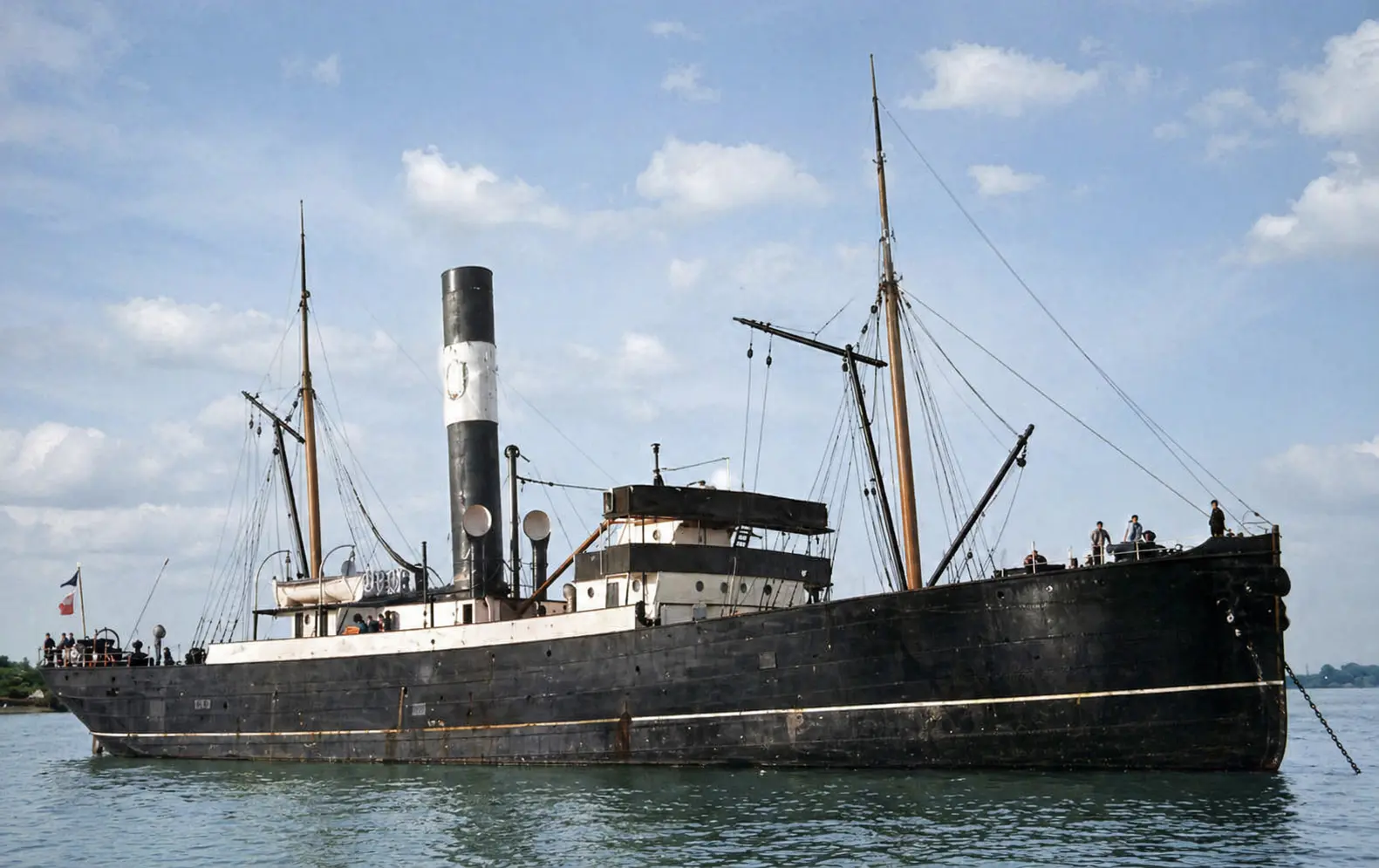
    On 22 April 1886, Valuta was caught in heavy fog and collided with the Hamburg steamer Petropolis in the English Channel, about 15 nautical miles north-east of the Goodwin Sands. She sank roughly an hour later, but all 22 people aboard were rescued by Petropolis, a rare happy ending in the wreck business and therefore almost suspicious. For divers, Valuta offers a neat late-Victorian collision wreck: German iron, Channel fog, Goodwin Sands danger, and a compact site with enough period character to make it far more appealing than its modest tonnage suggests.

  • HMT Othello II – FY1193 (1915)

    Dover Marina Esplanade, Dover, Kent, United Kingdom

    On 31 October 1915, Othello II was sent to patrol "Section Two", between the Goodwin Gate and the Gull Lightship, after UC-6 had laid mines there the previous day. In a strong south-south-easterly gale, she struck one of those mines at about 11:55am and sank rapidly. The mine was laid by SM UC-6, commanded by Matthias Graf von Schmettow, the same field that also claimed SS Eidsiva, SS Toward and HMY Aries. Nine men were lost, with a single deck-boy survivor reportedly squeezed out through the wheelhouse window before the vessel went down. For divers, this is a small but deeply powerful Dover Patrol wreck: a fishing trawler turned minesweeper, lost in the same deadly wartime trap as several larger ships, and carrying a human story far bigger than her size suggests.

    £70.00
  • HMT Saxon Prince – FY262 (1916)

    Dover Marina Esplanade, Dover, Kent, United Kingdom

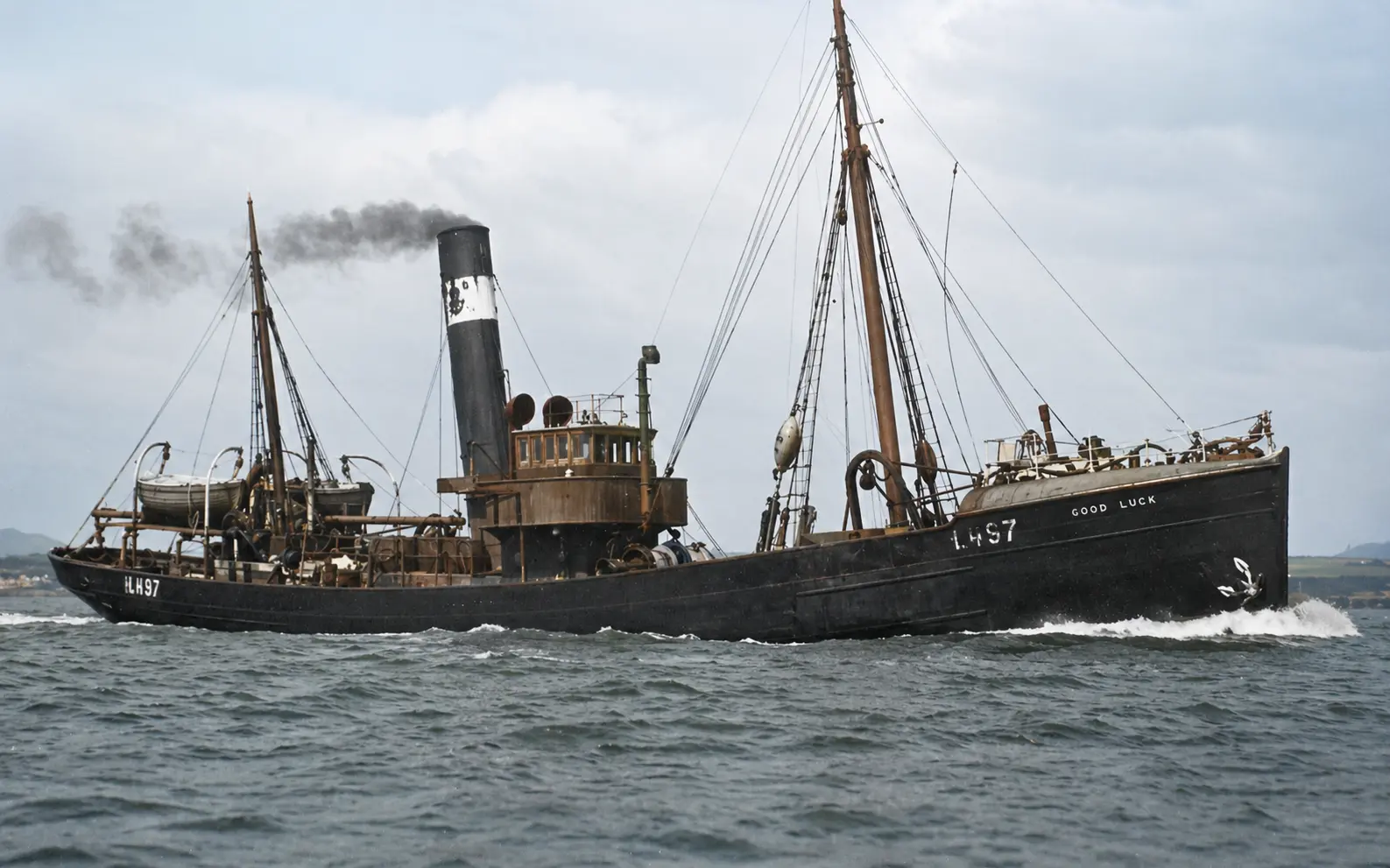
    On 28 March 1916, Saxon Prince disappeared off Dover / Kingsdown in a violent south-westerly Force 12 storm, while serving on Admiralty patrol work. Some records mention possible mining, but the strongest contemporary explanation is foundering in the furious gale. The Maritime Archaeology Trust records that all 12 men aboard were lost, and likely remains now lie in about 22 metres of water, roughly off the cliffs between St Margaret’s Bay and Kingsdown. For divers, this is a small wreck with a hard human story: a former fishing trawler turned wartime minesweeper, lost not to gunfire or torpedo, but to the Channel itself at its most brutal.

    £70.00
  • SS Unity (1918)

    Dover Marina Esplanade, Dover, Kent, United Kingdom

    On 2 May 1918, Unity was sailing from Newhaven to Calais with a cargo of ordnance when she was torpedoed and sunk by the German submarine UB-57, commanded by Johannes Lohs, around 9 nautical miles south-east of Folkestone. Twelve crewmen were lost, although her captain survived. For divers, Unity has all the ingredients of a proper Dover Strait war wreck: a working railway steamer, a dangerous military cargo, a U-boat attack in the final months of the First World War, and a wreck lying in the Channel where trade, war and tide all met in the usual civilised manner, by breaking steel.

    £80.00
  • HMT Cayton Wyke (1940)

    Dover Marina Esplanade, Dover, Kent, United Kingdom

    On 8 July 1940, Cayton Wyke was sunk off Dover, close to the South Goodwin Lightship, after being hit by a torpedo from a German E-boat, commonly identified as S-36. Naval-History records her as lost by surface-craft torpedo, while shipwreck lists state that all 18 crew were lost. She also has a notable earlier wartime footnote: in October 1939, she helped HMS Puffin sink the German submarine U-16 near Dover. For divers, Cayton Wyke is a compact but powerful Channel war wreck: a former fishing trawler turned hunter, lost in the knife-edge summer of 1940, when the Dover Strait was less a sea lane and more a firing range with tides

    £70.00
  • HMT Tranquil – FY 920 (1942)

    Dover Marina Esplanade, Dover, Kent, United Kingdom

    Requisitioned again on 28 April 1940, Tranquil became Royal Navy minesweeper FY 920. After repairs at Tilbury, she left dock on 14 June 1942, but two days later, on 16 June 1942, she sank following a collision off Deal, Kent. At least one crewman is specifically recorded as lost: Seaman Kenneth James Pentreath, Royal Naval Patrol Service, aged 21, who drowned on active service. For divers, Tranquil is one of those quietly powerful Channel wrecks: a fishing boat turned wartime minesweeper, twice taken into naval service, lost close to the Dover approaches in the middle of Britain’s coastal war. Small ship, hard life, proper story.

    £70.00
  • Spring Tide

    Spring Tide marker for general dive planning around Dover. Use as guidance only. Final dive timings depend on skipper judgement, weather, sea state, tidal data and site conditions.

  • SS Sea Serpent (1916)

    Dover Marina Esplanade, Dover, Kent, United Kingdom

    On 23 March 1916, Sea Serpent struck a mine laid by the German submarine UC-6, commanded by Matthias Graf von Schmettow, and sank off Folkestone Pier, at approximately 51°02’N, 01°12’E. At least two crewmen are recorded as lost: fireman George James Anderson, aged 24, and mess room boy Frederick William Barrow, aged only 16. For divers, this is a classic Channel war-loss: a modest merchant steamer, a practical cargo, a minefield off the Kent coast, and a wreck with the quiet weight of ordinary men caught in extraordinary danger.

  • SS Castor (1894)

    Dover Marina Esplanade, Dover, Kent, United Kingdom

    On 28 July 1894, Castor was on passage from Smyrna, now Izmir, to Amsterdam, having called at Algiers, when she was caught in dense fog off Dungeness / Folkestone and collided with the German barque Ernst. She was struck amidships and sank, but her 25 crew and 3 passengers were all saved. Her cargo gives this wreck its real intrigue: 14 Greco-Roman sculptures and inscriptions, packed in two crates for the Rijksmuseum van Oudheden in Leiden. Divers later recovered several second-century marble pieces from the wreck, including sculptured heads and funerary monuments. Today, Castor is a cracking dive with a rare story: a Dutch steamer, a Channel collision, and classical antiquities lying in the silt like history had dropped its handbag

  • SS Nunima (1918)

    Dover Marina Esplanade, Dover, Kent, United Kingdom

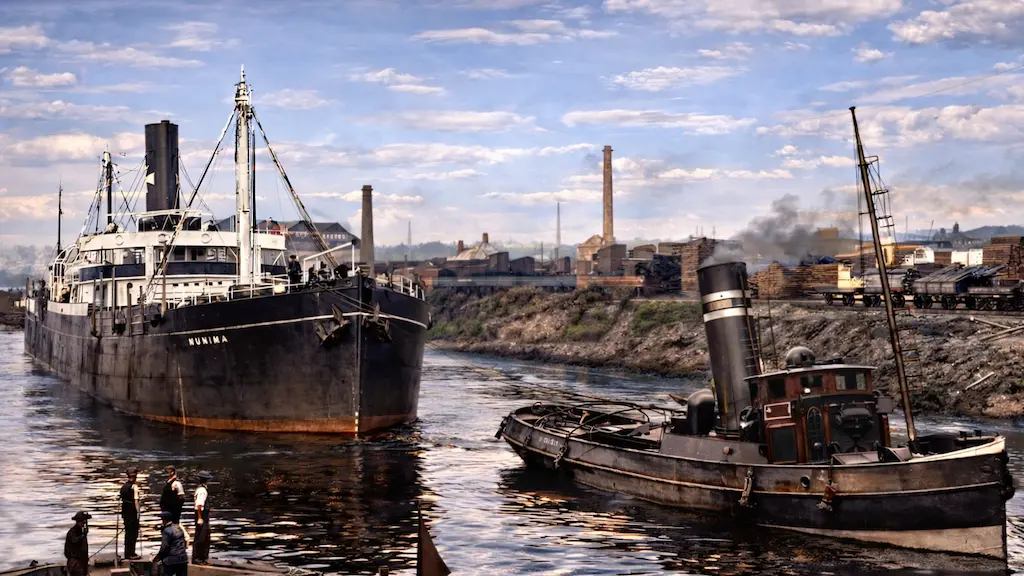
    On 4 January 1918, Nunima was on passage from Bilbao to Middlesbrough with a cargo of iron ore when she sank after a collision off Folkestone, reported variously as with P19 or an unidentified Royal Navy torpedo boat. UKHO-derived wreck data places the wreck at about 50°58.304'N, 1°08.678'E, lying upright and largely intact in roughly 32 metres, with a least depth of around 19 metres over the wreck. No lives were lost, which is a rare mercy in these Channel stories and frankly suspiciously decent of history for once. For divers, Nunima is a big, upright First World War merchant steamer with cargo history, scale, structure and a proper Dover Strait collision story. A solid wreck with presence.

  • Unidentified Wreck – Offshore

    Dover Marina Esplanade, Dover, Kent, United Kingdom

    These dives are for curious divers who like a bit of mystery with their slack water. The wreck may have been rarely dived, poorly recorded, misidentified, or never properly explored. There may be no neat answer waiting on the shotline, which is half the fun and also the reason humans keep buying expensive torches and calling it a hobby. Look for clues: boilers, engines, winches, cargo, crockery, ballast, armament, construction details, anything that might help bring a lost name back from the seabed. You are not booking a routine wreck dive. You are joining a proper offshore puzzle, and the next clue might be yours.

  • SS Carmen (1963)

    Dover Marina Esplanade, Dover, Kent, United Kingdom

    On 13 June 1963, Carmen was caught in thick fog in the Dover Strait and collided with the Turkish steamship Sadikzade, about 4.5 miles east of the South West Goodwin light buoy and 9.6 miles east of St Margaret’s Bay. She sank with the loss of two crewmen, while the collision set off an absurdly grim chain reaction: Sadikzade then collided with the Greek motor vessel Leandros, which in turn collided with the British tanker Clyde Sergeant. Today, Carmen lies upright and largely intact in around 44 to 45 metres, with her funnel around 30 metres and superstructure rising into the low 30s. For divers, she is a superb deeper Channel wreck: intact, dramatic, well identified, and carrying the unmistakable scar of a fog-bound collision in one of the busiest seaways on Earth.

×
×

Basket