• SS Pommerania (1878)

    Dover Marina Esplanade, Dover, Kent, United Kingdom

    Her final voyage ended in the Channel on the night of 25-26 November 1878, while returning from New York to Hamburg via Plymouth. Off Folkestone, she was struck amidships on the starboard side by the iron-hulled Welsh barque Moel Eilian, which was bound from Rotterdam to Cardiff. Four of Pommerania’s nine lifeboats were smashed in the collision, and she sank in less than half an hour. Sources vary slightly on the death toll, giving 48, 50 or 55 lives lost, but the scale of the disaster is beyond doubt. Today she lies in about 25 metres, a classic Channel liner wreck with machinery, scattered structure and real human history behind every plate and rib. For divers, this is Victorian steamship history at touching distance, and considerably more exciting than another tidy spreadsheet pretending to be a wreck.
  • SS Loanda (1908)

    Dover Marina Esplanade, Dover, Kent, United Kingdom

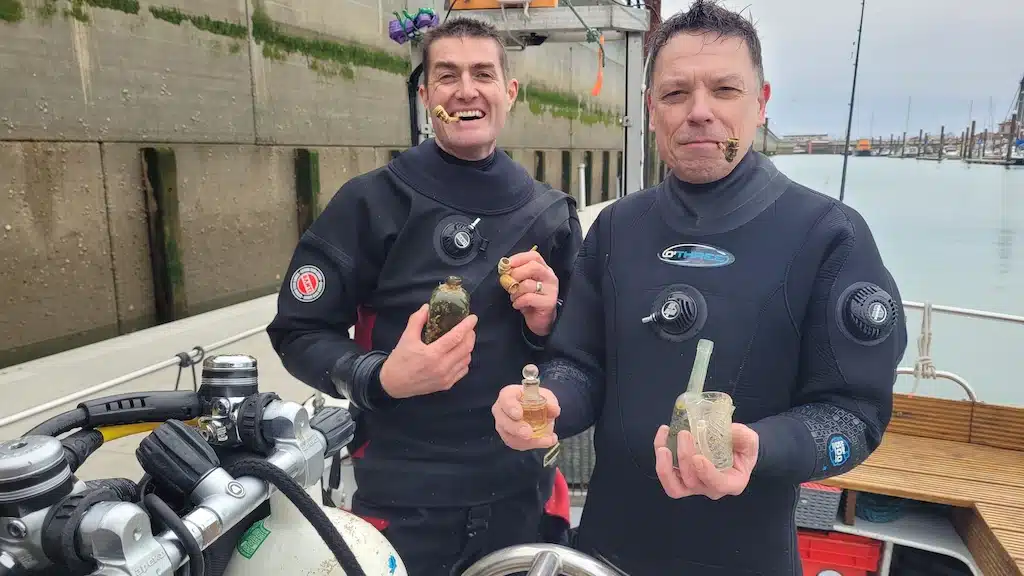
    For divers, Loanda is one of those wrecks that rewards curiosity as much as good buoyancy. She lies upright in roughly 17 to 23 metres, standing several metres proud, with exposed engine remains, an intact propeller, and a cargo story worthy of a Victorian dockside whisper. Reports mention gin and champagne bottles, clay pipes, perfume bottles, trading beads, and the persistent tale of newly minted shillings, although the shilling story is not supported by the manifest. It’s shallow, atmospheric, artifact-rich and very much a slack-water dive, the kind of Dover wreck where every broken bottle and clay pipe feels like it has been waiting 116 years to be noticed.

  • SS Shenandoah (1916)

    Dover Marina Esplanade, Dover, Kent, United Kingdom

    On 14 April 1916, Shenandoah struck a mine laid by the German minelaying submarine UC-6, commanded by Matthias Graf von Schmettow, and sank about 1.5 nautical miles west of Folkestone Gate. Historic England records two lives lost, with the probable wreck remains lying south of Folkestone in the Dover Strait area. For divers, this is a proper First World War Channel wreck: Atlantic trade, German mine warfare, wartime cargo, and a steel steamer lost almost within sight of home. Not flashy. Better than flashy. It has that quiet, heavy, "something happened here" feel that makes a wreck worth diving.

  • SV Mindora (1864)

    Dover Marina Esplanade, Dover, Kent, United Kingdom

    Her career was brutally short. On 28 November 1864, Mindora collided in the English Channel with the Khersonese, another outward-bound sailing ship, reportedly on passage from London to Calcutta. Contemporary shipwreck listings place the collision about 8 nautical miles south-west by west of South Foreland, with Mindora sinking and the other vessel abandoned in a sinking condition. For divers, this is a proper Victorian mystery wreck: a young barque lost almost as soon as her story began, a collision in one of the world’s busiest sea lanes, and a seabed site that still gives up small clues from a long-vanished age of sail.

  • SS Toward (1915)

    Dover Marina Esplanade, Dover, Kent, United Kingdom

    On 31 October 1915, Toward struck a mine laid by the German minelaying submarine UC-6, commanded by Matthias Graf von Schmettow, near the South Foreland / Dover area. The explosion tore into her beneath No. 2 hold, just forward of the bridge. She caught fire, settled quickly, and was abandoned. Remarkably, all the crew were rescued, including men who had jumped into the sea. For divers, Toward is a proper First World War Channel wreck: mine warfare, wartime cargo, a dramatic sinking, and a site still rich with clues from a ship that went down in one of the Dover Patrol’s most dangerous corridors.

  • The Orangeman Mystery

    Dover Marina Esplanade, Dover, Kent, United Kingdom

    The wreck known as the Orangeman is one of Dover’s more curious local names, generally linked to the steamer Helene, which was lost off the coast while carrying a cargo of citrus fruit from Valencia to Antwerp. For divers, it is one of those Kent wrecks where folklore and fact overlap, the nickname surviving because the cargo was memorable even when the wreck’s true identity became muddled.

  • HMT Bonar Law – FY1223 (1915)

    Dover Marina Esplanade, Dover, Kent, United Kingdom

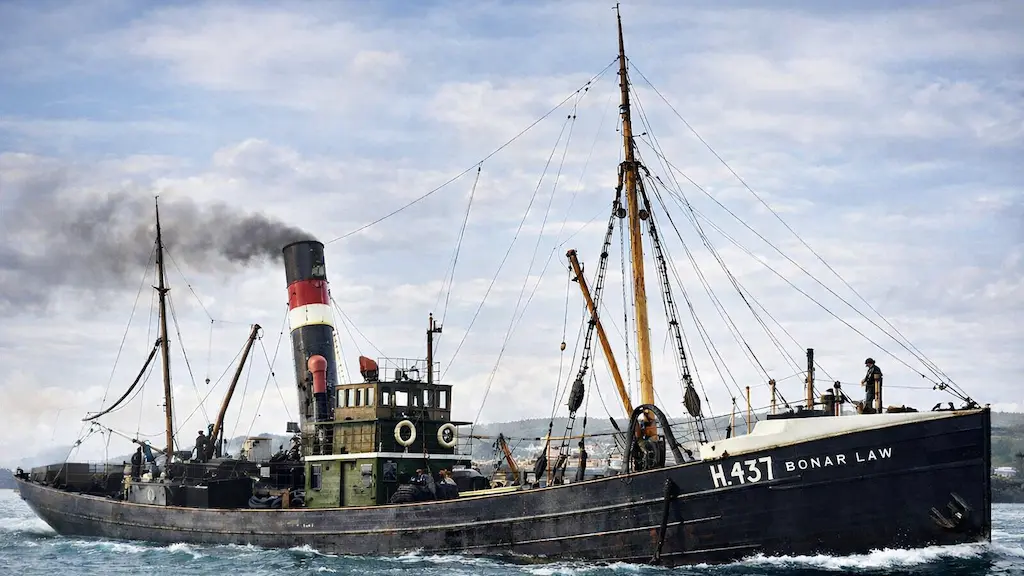
    On 27 October 1915, Bonar Law sank on the South Goodwins after a collision, with sources specifically placing her loss after contact with the South Goodwin Light Vessel. She had been patrolling and minesweeping in one of the most dangerous stretches of water in the Dover Strait, where shoals, mines, traffic and weather all queued up to ruin someone’s day. For divers, this is a classic Dover Patrol wreck: small, purposeful, historically loaded, and tied directly to the hard, often overlooked work of the hired trawler crews who kept the Channel routes open. No grand liner glamour here, thank heavens. This is tougher stuff.

  • SS Romulus (1889)

    Dover Marina Esplanade, Dover, Kent, United Kingdom

    On 17 January 1889, Romulus was in the English Channel off the South Foreland when she was run into by the French steamship Felgrano and sank in the early hours. Contemporary wreck listings record one crew member lost. For divers, this is a strong Dover Strait collision story: a Sunderland steamer outward bound for the Mediterranean, a night-time impact off the Kent coast, and a wreck with the quiet appeal of Victorian working steam, iron, coal trade and Channel fog. Not a showy wreck, thankfully. The best ones rarely are.

  • Neap Tide

    Neap Tide marker for general dive planning around Dover. Use as guidance only. Final dive timings depend on skipper judgement, weather, sea state, tidal data and site conditions.

  • Unidentified Wreck – Offshore

    Dover Marina Esplanade, Dover, Kent, United Kingdom

    These dives are for curious divers who like a bit of mystery with their slack water. The wreck may have been rarely dived, poorly recorded, misidentified, or never properly explored. There may be no neat answer waiting on the shotline, which is half the fun and also the reason humans keep buying expensive torches and calling it a hobby. Look for clues: boilers, engines, winches, cargo, crockery, ballast, armament, construction details, anything that might help bring a lost name back from the seabed. You are not booking a routine wreck dive. You are joining a proper offshore puzzle, and the next clue might be yours.

  • SS Eidsiva I (1915)

    Dover Marina Esplanade, Dover, Kent, United Kingdom

    On 31 October 1915, Eidsiva struck a mine and sank, part of the grim run of losses from UC-6’s newly laid field that also claimed or damaged vessels including Toward, HMT Othello II and HMY Aries. For divers, Eidsiva offers a proper First World War Channel story: a neutral Norwegian collier, a cargo of coal, a Dover Strait minefield, and a wreck lying in the busy waterway where commercial trade and naval warfare collided in steel, steam and bad luck.

  • SS Empire Rupert (1945)

    Dover Marina Esplanade, Dover, Kent, United Kingdom

    Her end came on 24 January 1945, around 10 nautical miles off Dover, when she collided with SS Twickenham Ferry, the Southern Railway train ferry then running wartime Channel service. Empire Rupert sank after the collision, with sources giving the position as roughly 51°03'N, 01°32'E. The best tug-specific source I found gives 11 lives lost, while the Wrecksite summary confirms the collision and sinking but truncates the casualty detail. For divers, this is a different kind of Channel wreck: not a merchantman with a cargo hold full of curiosities, but a hard-used wartime tug with Normandy service behind her, lost in the final months of the war on the busy Dover approaches. Small ship. Big story.

×
×

Basket