• Unidentified Wreck – Local

    Dover Marina Esplanade, Dover, Kent, United Kingdom

    No name, no neat story, no tidy archive entry: this unidentified local wreck dive is a proper Kent coast mystery. Join us as we drop onto an unnamed seabed mark and look for the clues that could reveal whether it is a forgotten coaster, wartime casualty, barge, sailing vessel or something stranger still.

  • SV Carron (1879)

    Dover Marina Esplanade, Dover, Kent, United Kingdom

    SV Carron crossed the Atlantic from New Orleans with a cargo of oilcake, only to be lost almost within reach of home after a collision near the Goodwin Sands. This SV Carron wreck dive follows the trail of a Victorian barque, a Spanish vessel called Bilboa and one of the Dover Strait's busiest nineteenth-century traffic zones.

  • SS Pommerania (1878)

    Dover Marina Esplanade, Dover, Kent, United Kingdom

    Her final voyage ended in the Channel on the night of 25-26 November 1878, while returning from New York to Hamburg via Plymouth. Off Folkestone, she was struck amidships on the starboard side by the iron-hulled Welsh barque Moel Eilian, which was bound from Rotterdam to Cardiff. Four of Pommerania’s nine lifeboats were smashed in the collision, and she sank in less than half an hour. Sources vary slightly on the death toll, giving 48, 50 or 55 lives lost, but the scale of the disaster is beyond doubt. Today she lies in about 25 metres, a classic Channel liner wreck with machinery, scattered structure and real human history behind every plate and rib. For divers, this is Victorian steamship history at touching distance, and considerably more exciting than another tidy spreadsheet pretending to be a wreck.

  • SS Agnes Wyllie (1877)

    Dover Marina Esplanade, Dover, Kent, United Kingdom

    SS Agnes Wyllie was a small iron steamer carrying pig iron from Middlesbrough to Caen when the Goodwin Sands took her on New Year's Day 1877. Ten of eleven crew died, one man survived, and the wreck still tells a grim Channel story with no battle, no mine and no mercy.

  • SS Laristan (1899) & SS Denbighshire (1887)

    Dover Marina Esplanade, Dover, Kent, United Kingdom

    Close beside her lies the older Denbighshire, lost in 1887 and later identified by her recovered bell. Historic England notes her wreck lies close to Laristan, while Canterbury Divers describes the Denbighshire as sitting only about 10 metres from the bigger Laristan, in a maximum depth of about 31 metres, standing around 5 metres proud. For divers, the appeal is obvious: two Victorian wreck stories in one dive, one a cargo steamer loaded with iron ore, the other an earlier casualty close enough to turn the seabed into a historical puzzle. It is a cracking Dover site for anyone who likes machinery, structure and a little identity intrigue with their slack water.

  • SS Mecklenburg I (1916)

    Dover Marina Esplanade, Dover, Kent, United Kingdom

    On 27 February 1916, Mecklenburg was on passage from Tilbury to Vlissingen when she struck a mine near the Galloper Light Vessel, laid four days earlier by the German minelaying submarine UC-7, commanded by Georg Haag. She sank in about 30 minutes, but all aboard were saved. Dutch records give 49 passengers and 63 crew rescued, while another heritage summary gives 49 passengers and 75 crew, so the safest public wording is "all passengers and crew were rescued". For divers, this is a superb wartime passenger-steamer story: a neutral Dutch mail boat, a North Sea minefield, a rapid sinking, and a wreck tied directly to the dangerous wartime routes between Britain and the Low Countries. Elegant ship. Ugly ending. Very Channel.

    Get Tickets £120.00 4 tickets left
  • SS Cuvier (1900)

    Dover Marina Esplanade, Dover, Kent, United Kingdom

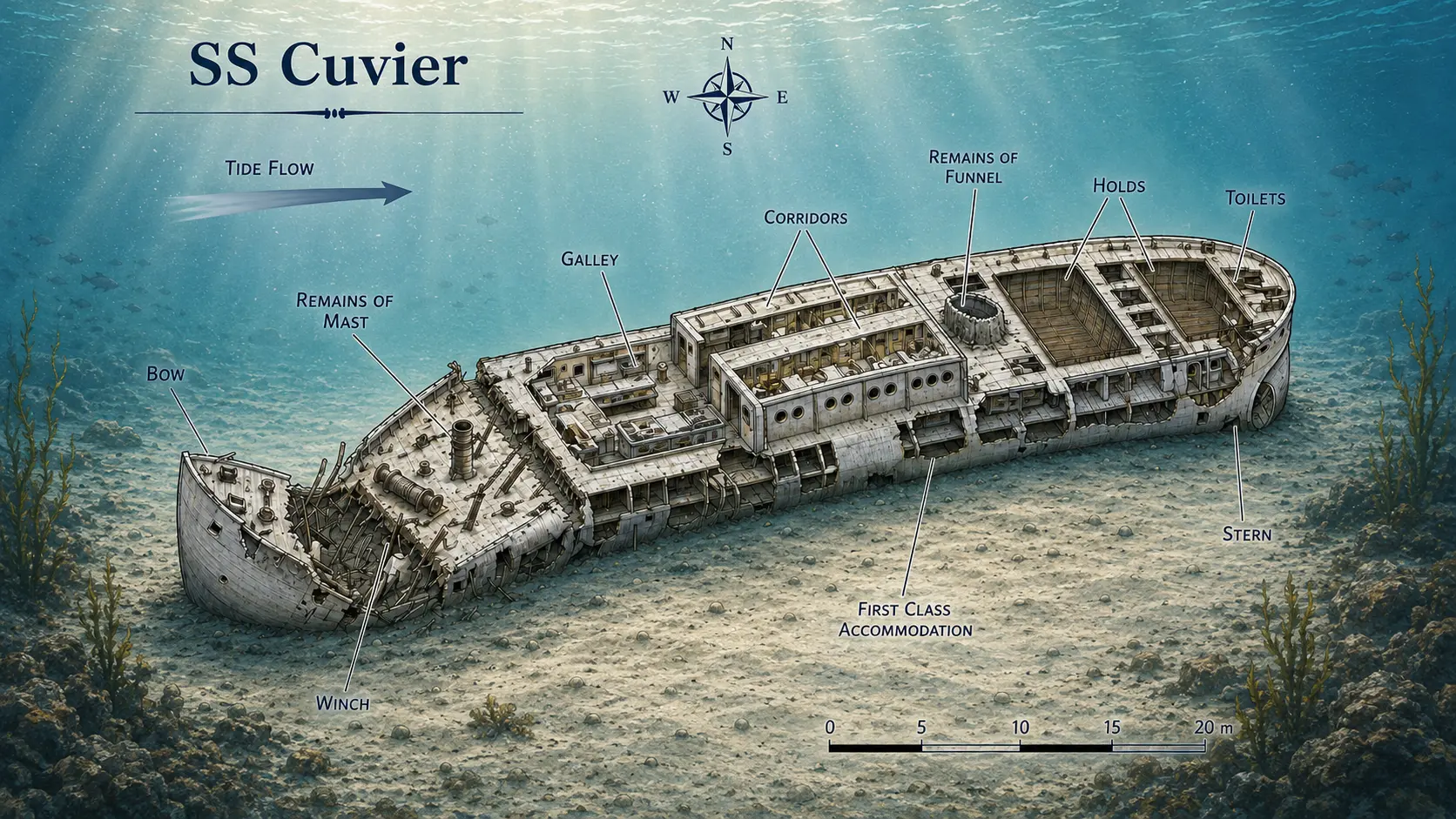
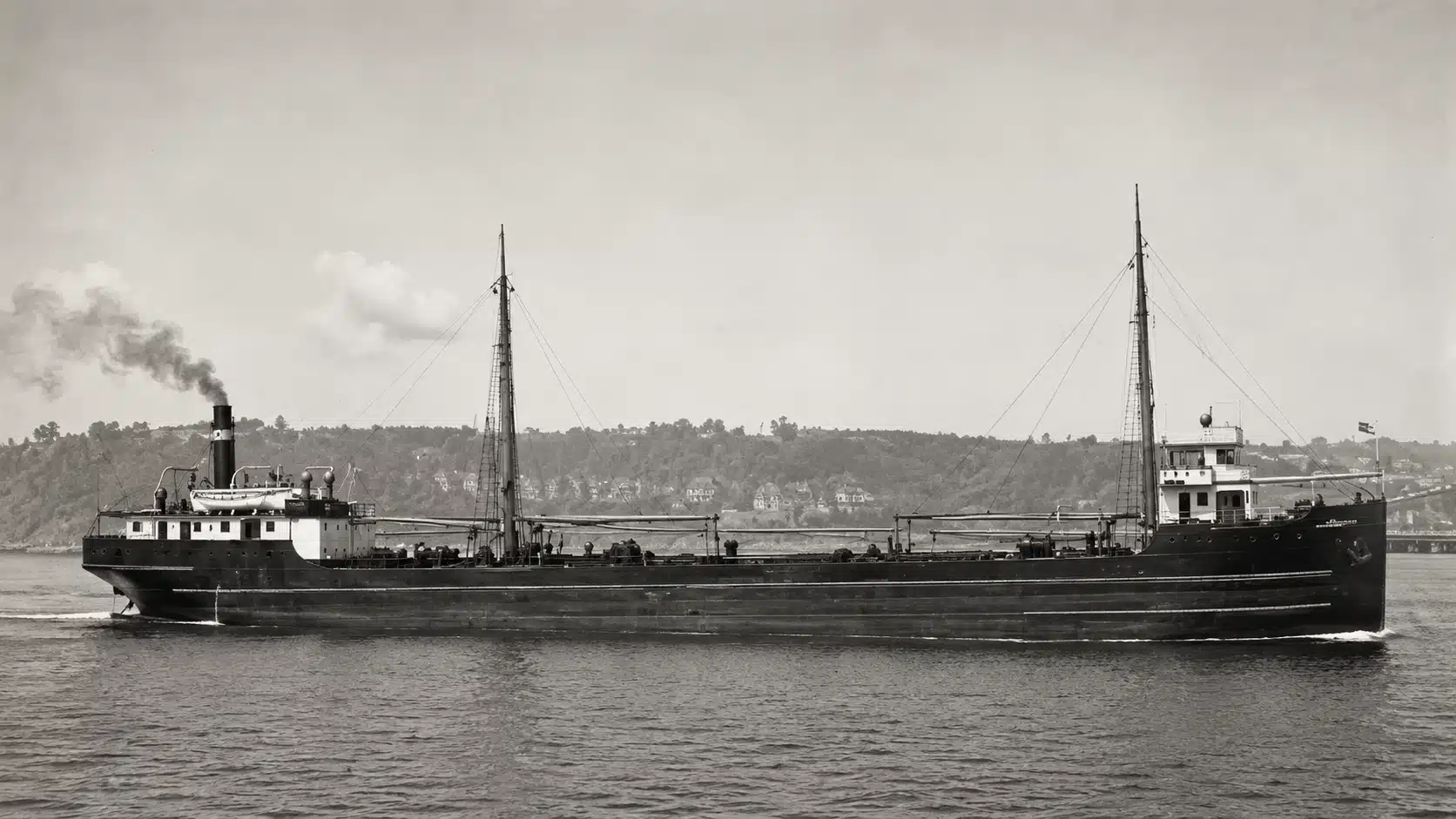
    SS Cuvier was carrying cargo for Brazil when SS Dovre tore into her near the Dover Strait in 1900. Within five minutes she had gone, leaving three survivors clinging to a capsized boat and at least 26 men lost in one of the Channel's sharpest civilian wreck tragedies.

  • HMS Flirt (1916)

    Dover Marina Esplanade, Dover, Kent, United Kingdom

    HMS Flirt went to help stricken drifters during the 1916 Battle of Dover Strait, then German torpedo boats caught her at point-blank range. This wreck dive follows a Royal Navy destroyer lost in minutes, with sixty dead, nine survivors and one of the Dover Patrol's sharpest night-fighting stories.

  • SS Port Dalhousie (1916)

    Dover Marina Esplanade, Dover, Kent, United Kingdom

    SS Port Dalhousie carried steel billets from Middlesbrough to Nantes, then UB-10 found her off Kentish Knock in 1916. This wreck dive follows a Canadian-operated cargo ship with early electric-drive history, a wartime cargo and a casualty record that still raises awkward questions.

  • Private Charter

    Dover Marina Esplanade, Dover, Kent, United Kingdom

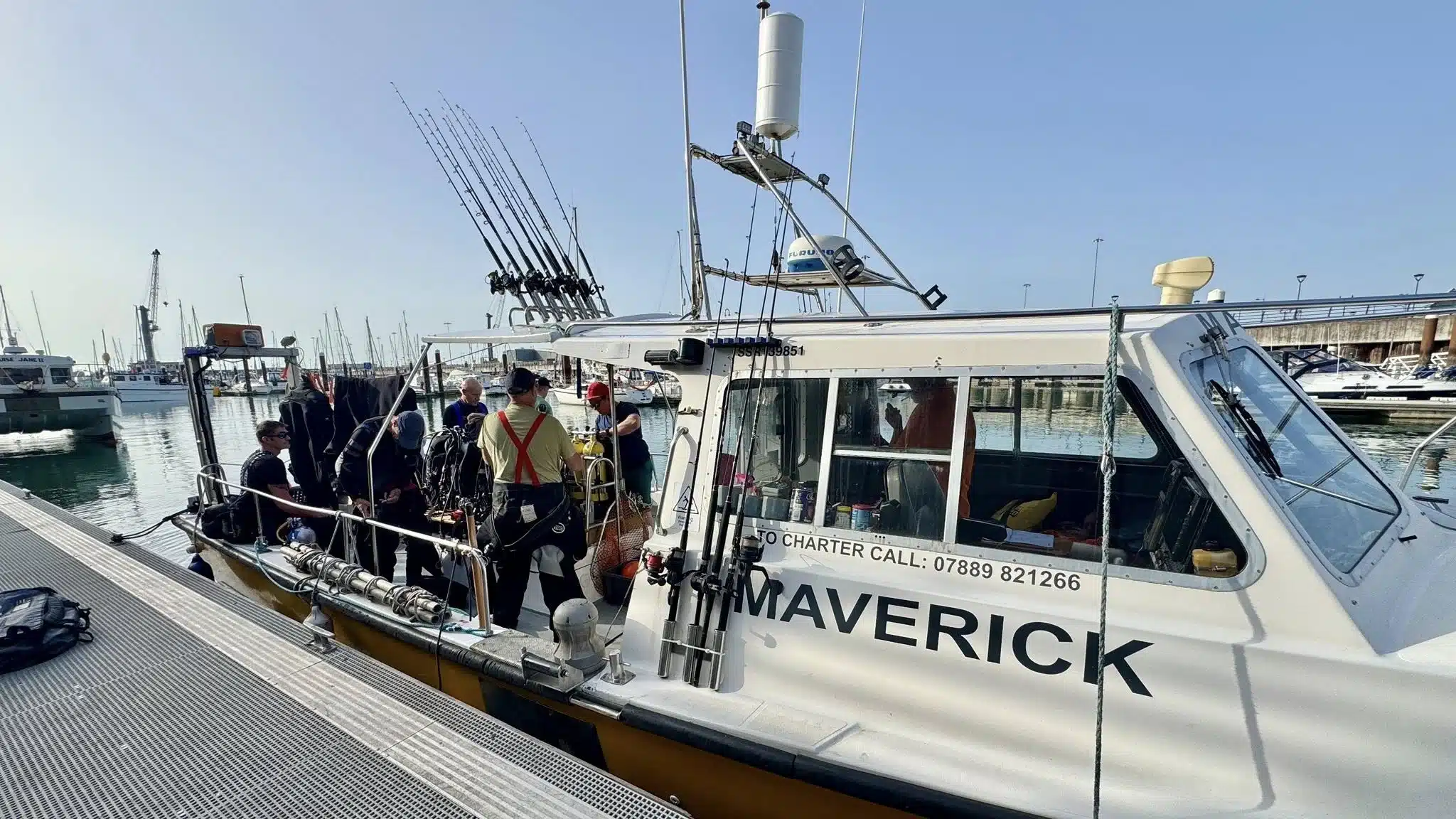
    This private charter is already fully booked by a dive group, but it shows what is possible. Clubs, CCR teams, twinset divers and wreck-hungry groups can book their own Mutiny Diving charter and plan a dedicated day around their depth, experience and wreck interests.

  • Private Charter

    Dover Marina Esplanade, Dover, Kent, United Kingdom

    This private charter is already fully booked by a dive group, but it shows what is possible. Clubs, CCR teams, twinset divers and wreck-hungry groups can book their own Mutiny Diving charter and plan a dedicated day around their depth, experience and wreck interests.

  • Private Charter

    Dover Marina Esplanade, Dover, Kent, United Kingdom

    This private charter is already fully booked by a dive group, but it shows what is possible. Clubs, CCR teams, twinset divers and wreck-hungry groups can book their own Mutiny Diving charter and plan a dedicated day around their depth, experience and wreck interests.

×
×

Basket