• Unidentified Wreck – Local

    Dover Marina Esplanade, Dover, Kent, United Kingdom

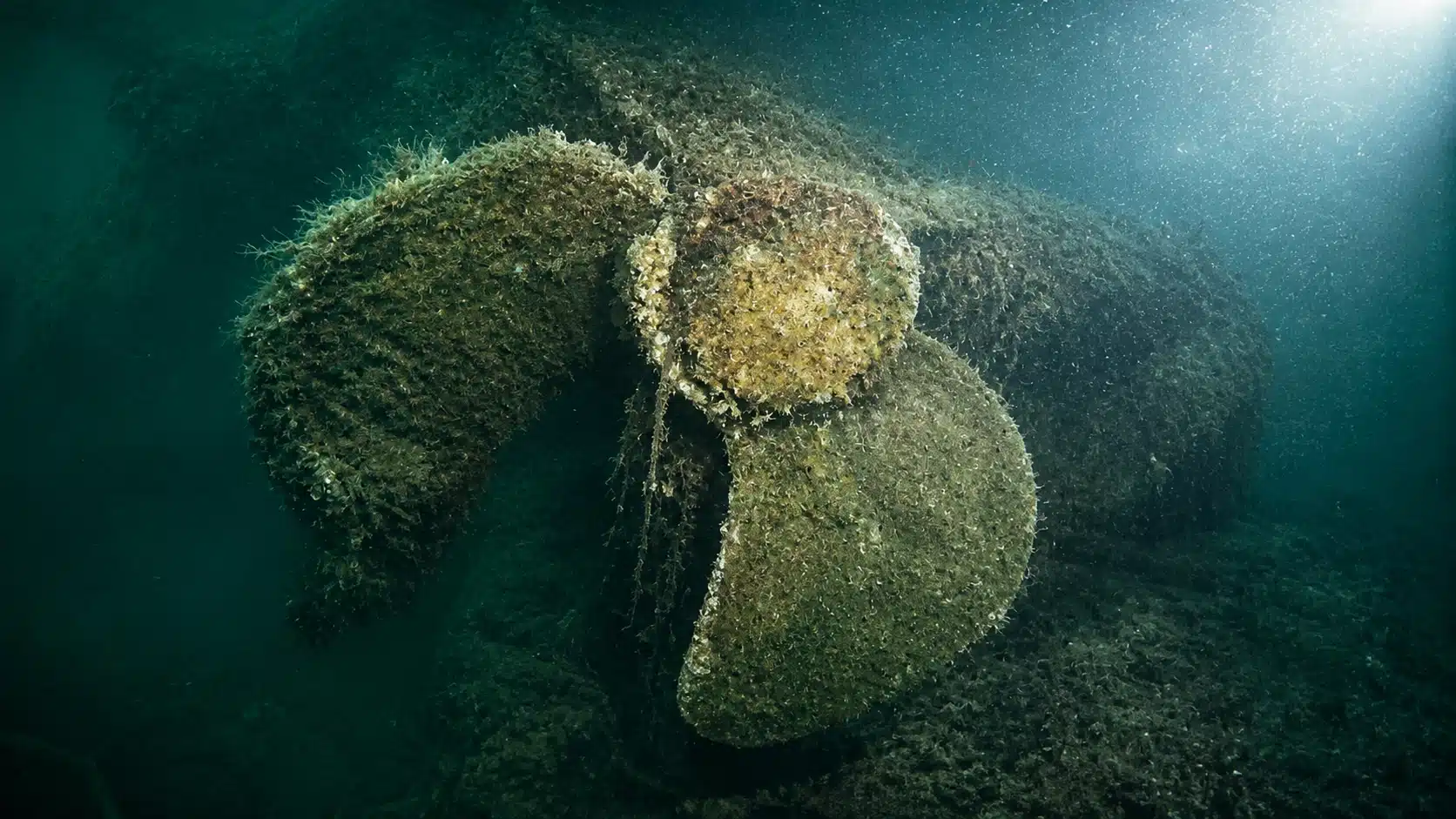
    No name, no neat story, no tidy archive entry: this unidentified local wreck dive is a proper Kent coast mystery. Join us as we drop onto an unnamed seabed mark and look for the clues that could reveal whether it is a forgotten coaster, wartime casualty, barge, sailing vessel or something stranger still.

  • Unidentified Wreck – Local

    Dover Marina Esplanade, Dover, Kent, United Kingdom

    No name, no neat story, no tidy archive entry: this unidentified local wreck dive is a proper Kent coast mystery. Join us as we drop onto an unnamed seabed mark and look for the clues that could reveal whether it is a forgotten coaster, wartime casualty, barge, sailing vessel or something stranger still.

  • SS Pommerania (1878)

    Dover Marina Esplanade, Dover, Kent, United Kingdom

    Her final voyage ended in the Channel on the night of 25-26 November 1878, while returning from New York to Hamburg via Plymouth. Off Folkestone, she was struck amidships on the starboard side by the iron-hulled Welsh barque Moel Eilian, which was bound from Rotterdam to Cardiff. Four of Pommerania’s nine lifeboats were smashed in the collision, and she sank in less than half an hour. Sources vary slightly on the death toll, giving 48, 50 or 55 lives lost, but the scale of the disaster is beyond doubt. Today she lies in about 25 metres, a classic Channel liner wreck with machinery, scattered structure and real human history behind every plate and rib. For divers, this is Victorian steamship history at touching distance, and considerably more exciting than another tidy spreadsheet pretending to be a wreck.

  • SS Laristan (1899) & SS Denbighshire (1887)

    Dover Marina Esplanade, Dover, Kent, United Kingdom

    Close beside her lies the older Denbighshire, lost in 1887 and later identified by her recovered bell. Historic England notes her wreck lies close to Laristan, while Canterbury Divers describes the Denbighshire as sitting only about 10 metres from the bigger Laristan, in a maximum depth of about 31 metres, standing around 5 metres proud. For divers, the appeal is obvious: two Victorian wreck stories in one dive, one a cargo steamer loaded with iron ore, the other an earlier casualty close enough to turn the seabed into a historical puzzle. It is a cracking Dover site for anyone who likes machinery, structure and a little identity intrigue with their slack water.

  • MV Saint Ronan (1959)

    Dover Marina Esplanade, Dover, Kent, United Kingdom

    MV Saint Ronan was barely a year old when fog near the South Goodwin Lightvessel turned her final voyage into disaster. This MV Saint Ronan wreck dive follows the story of a Glasgow coaster struck by Mount Athos in 1959, sliced apart in the Channel, with seven rescued and three lost.

  • Unidentified Wreck – 51°03.277N / 01°18.054E

    Dover Marina Esplanade, Dover, Kent, United Kingdom

    No name, no neat story, no tidy archive entry: this unidentified local wreck dive is a proper Kent coast mystery. Join us as we drop onto an unnamed seabed mark and look for the clues that could reveal whether it is a forgotten coaster, wartime casualty, barge, sailing vessel or something stranger still.

  • U-Boat SM UC-77 (1918)

    U-Boat Long Weekender
    Dover Marina Esplanade, Dover, Kent, United Kingdom

    SM UC-77 spent the war laying mines and sinking ships, then vanished during her own attempt to slip through the Dover Barrage in July 1918. This SM UC-77 wreck dive follows a German minelaying U-boat, 30 lost crew and a disputed final position that still keeps wreck researchers arguing like tired men in a harbour pub.

  • U-Boat SM UB-109 (1918)

    U-Boat Long Weekender
    Dover Marina Esplanade, Dover, Kent, United Kingdom

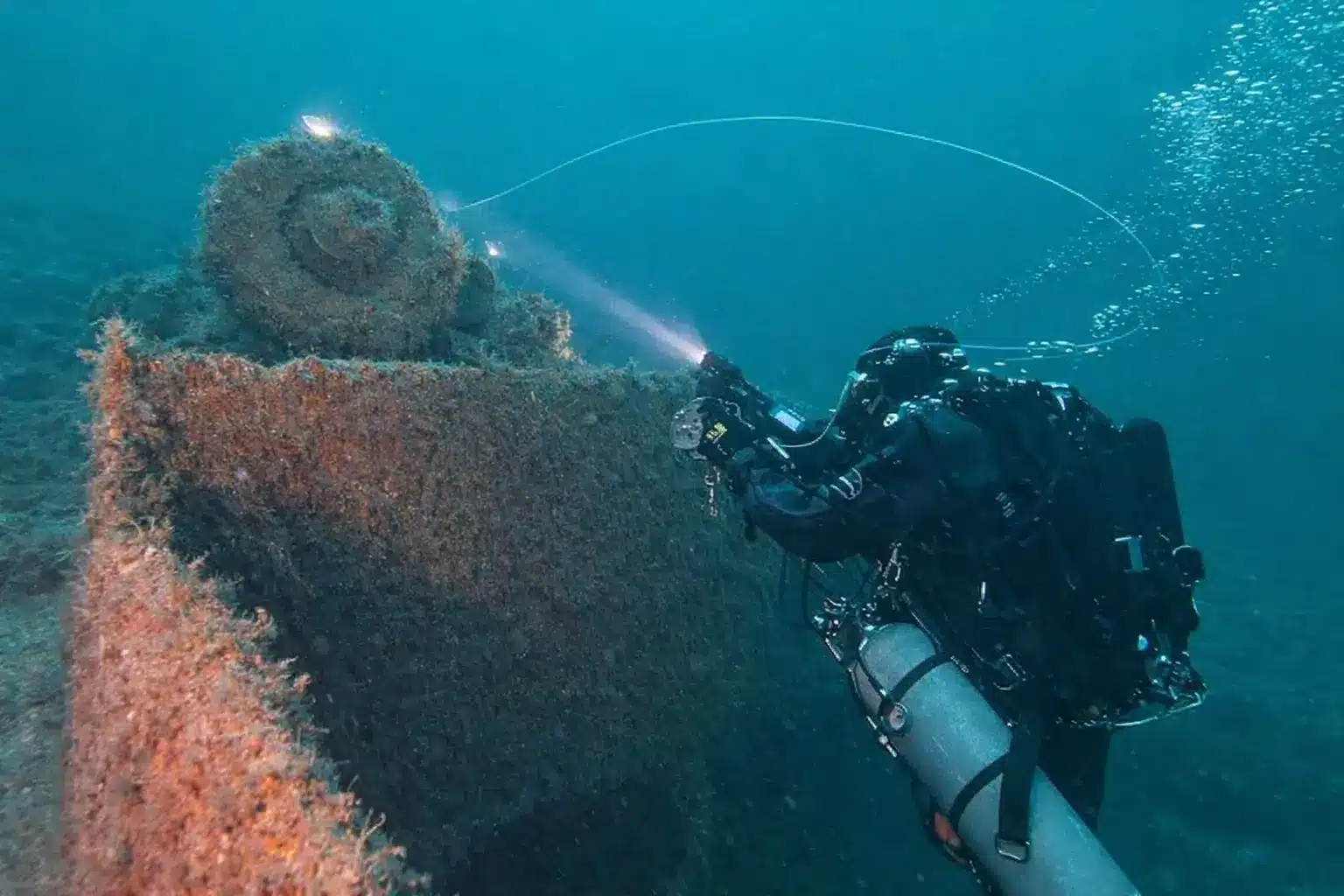
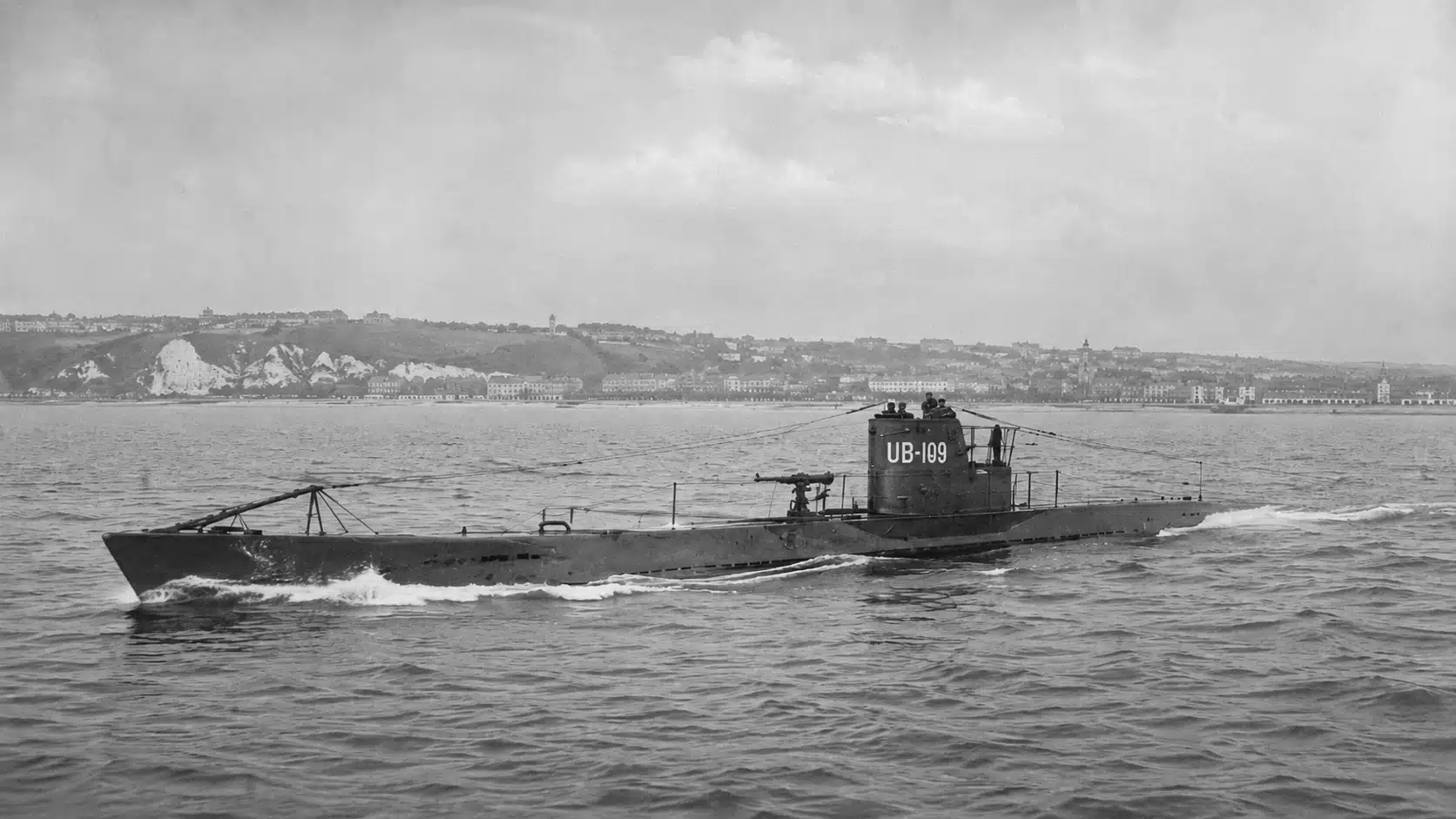
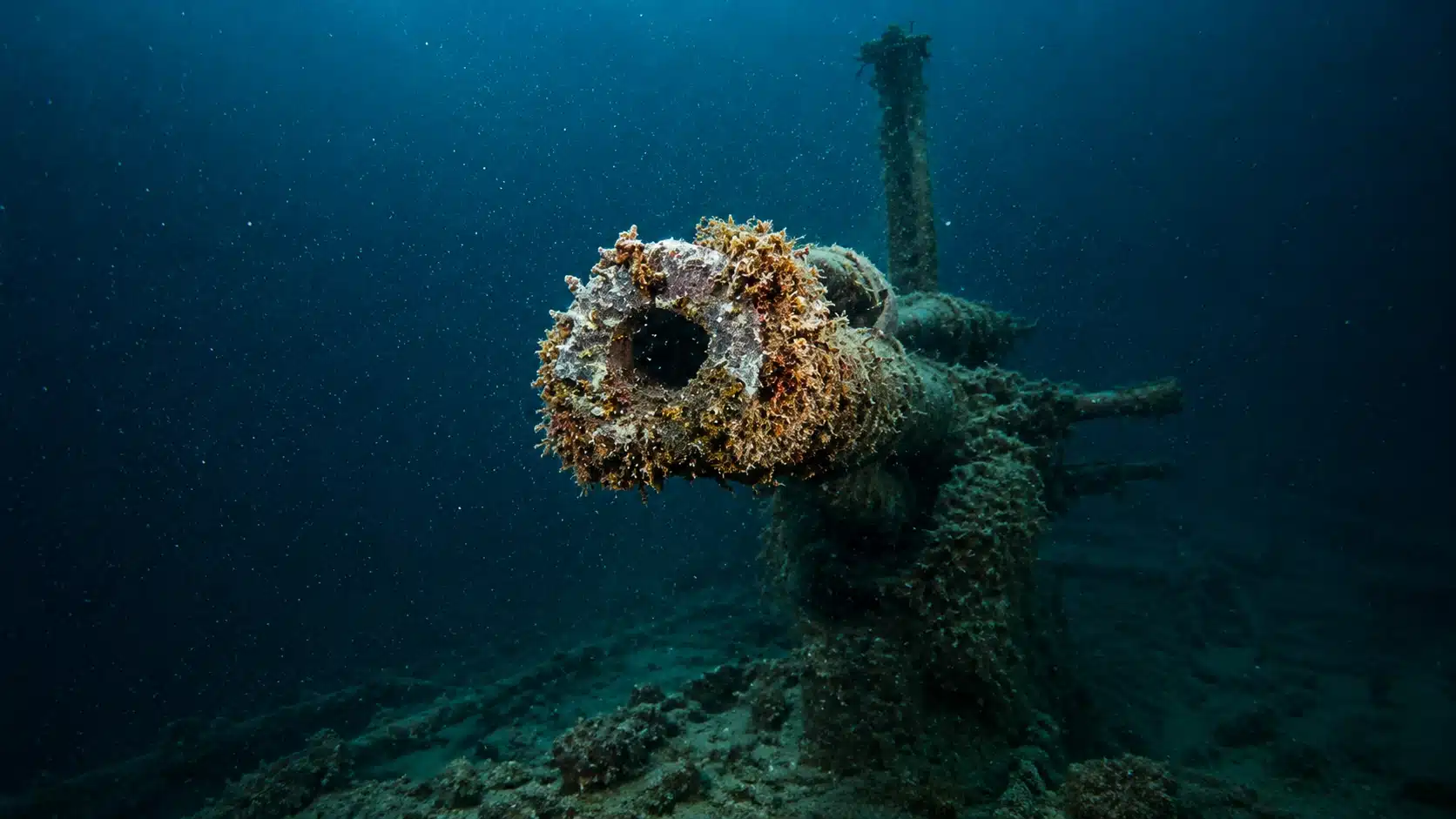
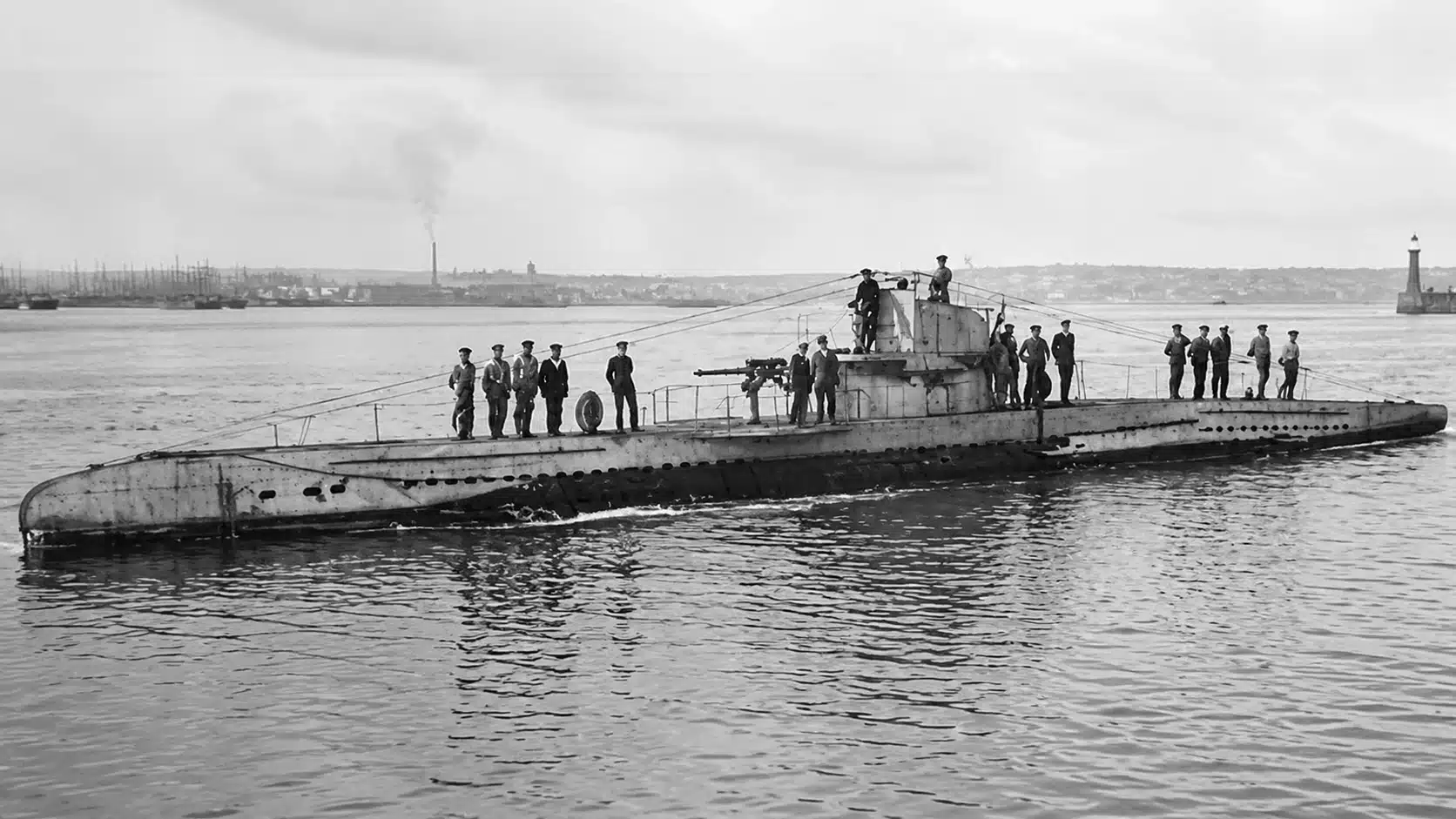
    SM UB-109 slipped through the Dover Barrage once, sank ships in the Atlantic, then returned to find the door had become a trap. This wreck dive follows a German U-boat blown apart by shore-controlled mines off Folkestone in 1918, with eight survivors and twenty-eight dead.

  • U-Boat SM UB-78 (1918)

    U-Boat Long Weekender
    Dover Marina Esplanade, Dover, Kent, United Kingdom

    SM UB-78 tried to force the Dover Strait in April 1918 and found the Barrage waiting. This wreck dive explores a German Type UB III submarine split by mines off Folkestone, with all 35 crew lost and a seabed identity muddle that took divers years to untangle.

  • U-Boat SM UB-33 (1918)

    U-Boat Long Weekender
    Dover Marina Esplanade, Dover, Kent, United Kingdom

    SM UB-33 tried to slip through the Dover Barrage in April 1918, but the Varne Bank minefield had other plans. This wreck dive follows a German UB II submarine lost with all 28 crew, later entered by Royal Navy divers who recovered secret code books from the dead boat.

  • U-Boat SM UB-55 (1918)

    U-Boat Long Weekender
    Dover Marina Esplanade, Dover, Kent, United Kingdom

    SM UB-55 left Zeebrugge in April 1918 and tried to force the Dover Barrage, but the minefield had other ideas. This SM UB-55 wreck dive follows a successful German U-boat blown open near Dover, with six survivors, thirty dead and a wartime wreck investigation that recovered her gun.

  • U-Boat SM UB-109 (1918)

    U-Boat Long Weekender
    Dover Marina Esplanade, Dover, Kent, United Kingdom

    SM UB-109 slipped through the Dover Barrage once, sank ships in the Atlantic, then returned to find the door had become a trap. This wreck dive follows a German U-boat blown apart by shore-controlled mines off Folkestone in 1918, with eight survivors and twenty-eight dead.

×
×

Basket