
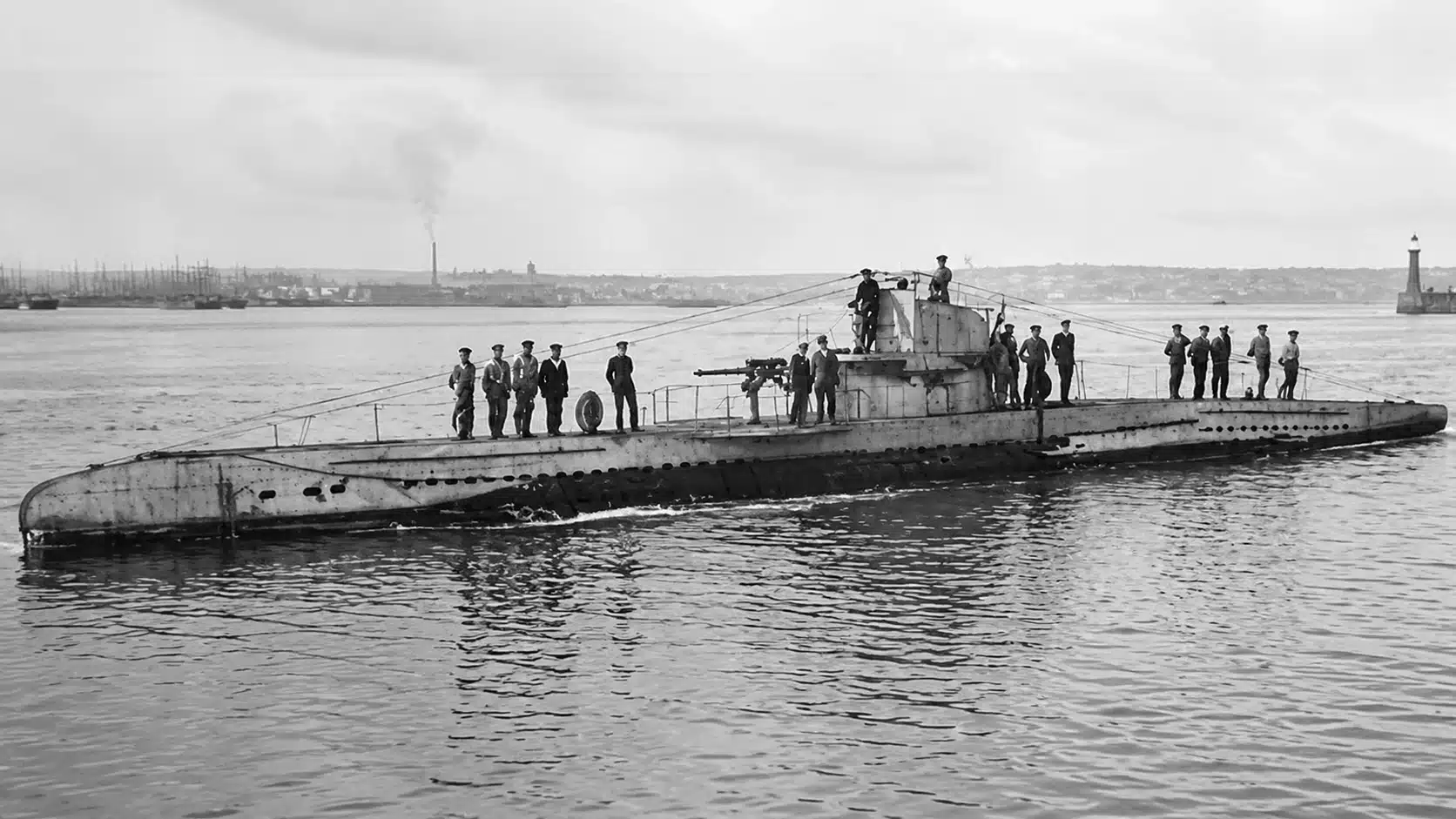
U-Boat SM UB-33 (1918)
SM UB-33 wreck dive
The SM UB-33 wreck dive explores a German Type UB II submarine lost in the Dover Barrage in 1918. UB-33 had completed 17 patrols and had already built a record of sinkings before she tried to pass the Varne Bank route. However, on 11 April 1918, a British mine ended her final passage.
This SM UB-33 wreck dive gives you a compact but serious First World War submarine story. The wreck connects the Flanders U-boat campaign, the Dover Barrage and the dangerous minefields that guarded the Channel. As a result, the dive has clear historical weight before you even reach the seabed.
SM UB-33 wreck dive: the submarine before the loss
Blohm & Voss built UB-33 at Hamburg as yard number 257. Germany ordered her on 22 July 1915, launched her on 5 December 1915 and commissioned her on 20 April 1916. During her career, several officers commanded her, with Oberleutnant zur See Fritz Gregor in command at the time of loss.
UB-33 belonged to the Type UB II class. These submarines improved on the smaller early UB boats and gave Germany a more useful coastal attack platform. In addition, UB-33 carried torpedoes and a deck gun, which allowed her to threaten merchant vessels across several patrol areas.
She first served with the Baltic Flotilla, then transferred to the Flandern Flotilla in October 1917. From the Belgian coast, German submarines could attack shipping around the Channel and southern North Sea. Consequently, the Dover Strait became one of the most heavily defended stretches of water in the First World War.
The Dover Barrage and the Varne Bank route
By 1918, the Dover Barrage formed a major obstacle for German submarines trying to move between Flanders and the wider Atlantic approaches. Mines, patrol craft and other defences all worked together to make the Strait dangerous. Therefore, any U-boat using the route took a serious risk.
On 11 April 1918, UB-33 took the Varne Bank route through the British minefields. She struck a mine south-west of the Varne sandbank and sank. Uboat.net records the loss position as 50°55’N, 01°17’E, while Historic England links the loss directly to the Dover Barrage.
All hands died. Uboat.net records 28 dead, including the final commander, Fritz Gregor. Historic England notes some older disagreement over the crew figure, but the clearest working figure for the event page is 28 lost.
Royal Navy divers visited the wreck on 29 May 1918, only weeks after the sinking. They entered the submarine and recovered confidential German documents, including code books and ciphers. That recovery gave UB-33 an intelligence story as well as a battlefield story.
You can read the vessel record in Uboat.net’s UB-33 entry. Meanwhile, Historic England records the loss and Royal Navy diving recovery in Historic England’s UB-33 wreck record.
The wreck today
For divers, UB-33 offers a serious Dover Strait submarine wreck with clear wartime context. The site represents the deadly pressure placed on Flanders U-boats as they tried to move through the Channel. In addition, the Varne Bank setting links the wreck directly with the mine warfare that shaped this part of the war at sea.
I would treat UB-33 as a war grave in practical and moral terms. However, I would not describe her as a current Protected Place under the Protection of Military Remains Act 1986 unless further legal evidence confirms that status. Either way, the site deserves careful, respectful diving: no disturbance, no recovery and no behaviour that would embarrass a reasonably trained mammal.
The wreck gives you more than a submarine outline. It tells a story of patrols, minefields, lost crew and wartime intelligence work. Finally, it reminds us that the Dover Strait was not a simple route home. For UB-33, it became the final barrier.
Are you a Mutiny Diver? Book more dives.