
• SS Castor (1894)

    Dover Marina Esplanade, Dover, Kent, United Kingdom

    On 28 July 1894, Castor was on passage from Smyrna, now Izmir, to Amsterdam, having called at Algiers, when she was caught in dense fog off Dungeness / Folkestone and collided with the German barque Ernst. She was struck amidships and sank, but her 25 crew and 3 passengers were all saved. Her cargo gives this wreck its real intrigue: 14 Greco-Roman sculptures and inscriptions, packed in two crates for the Rijksmuseum van Oudheden in Leiden. Divers later recovered several second-century marble pieces from the wreck, including sculptured heads and funerary monuments. Today, Castor is a cracking dive with a rare story: a Dutch steamer, a Channel collision, and classical antiquities lying in the silt like history had dropped its handbag
  • SS Nunima (1918)

    Dover Marina Esplanade, Dover, Kent, United Kingdom

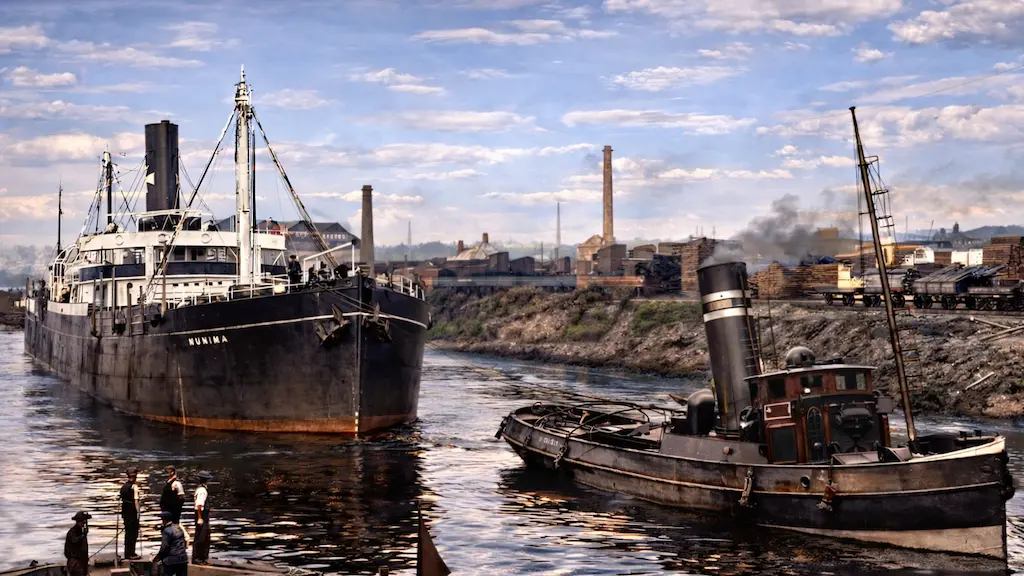
    On 4 January 1918, Nunima was on passage from Bilbao to Middlesbrough with a cargo of iron ore when she sank after a collision off Folkestone, reported variously as with P19 or an unidentified Royal Navy torpedo boat. UKHO-derived wreck data places the wreck at about 50°58.304'N, 1°08.678'E, lying upright and largely intact in roughly 32 metres, with a least depth of around 19 metres over the wreck. No lives were lost, which is a rare mercy in these Channel stories and frankly suspiciously decent of history for once. For divers, Nunima is a big, upright First World War merchant steamer with cargo history, scale, structure and a proper Dover Strait collision story. A solid wreck with presence.

  • Unidentified Wreck – Offshore

    Dover Marina Esplanade, Dover, Kent, United Kingdom

    These dives are for curious divers who like a bit of mystery with their slack water. The wreck may have been rarely dived, poorly recorded, misidentified, or never properly explored. There may be no neat answer waiting on the shotline, which is half the fun and also the reason humans keep buying expensive torches and calling it a hobby. Look for clues: boilers, engines, winches, cargo, crockery, ballast, armament, construction details, anything that might help bring a lost name back from the seabed. You are not booking a routine wreck dive. You are joining a proper offshore puzzle, and the next clue might be yours.

  • SS Carmen (1963)

    Dover Marina Esplanade, Dover, Kent, United Kingdom

    On 13 June 1963, Carmen was caught in thick fog in the Dover Strait and collided with the Turkish steamship Sadikzade, about 4.5 miles east of the South West Goodwin light buoy and 9.6 miles east of St Margaret’s Bay. She sank with the loss of two crewmen, while the collision set off an absurdly grim chain reaction: Sadikzade then collided with the Greek motor vessel Leandros, which in turn collided with the British tanker Clyde Sergeant. Today, Carmen lies upright and largely intact in around 44 to 45 metres, with her funnel around 30 metres and superstructure rising into the low 30s. For divers, she is a superb deeper Channel wreck: intact, dramatic, well identified, and carrying the unmistakable scar of a fog-bound collision in one of the busiest seaways on Earth.

  • SS Amplegarth (1918)

    Dover Marina Esplanade, Dover, Kent, United Kingdom

    On 10 May 1918, Amplegarth was on passage from Dunston-on-Tyne to St Nazaire with a cargo of coal when she struck a mine laid by the German minelaying submarine UC-71, commanded by Oberleutnant zur See Walter Warzecha. She sank about 1 mile west-south-west of Dover Harbour. The best Cardiff shipping summary I found records no lives lost, which is a blessedly rare line in a First World War wreck note. For divers, this is a proper Dover war wreck: a big merchant steamer, a working cargo, a UC-boat minefield, and a loss right on the doorstep of one of the busiest wartime ports in Britain.

  • SS Cuvier (1900)

    Dover Marina Esplanade, Dover, Kent, United Kingdom

    On 9 March 1900, Cuvier was struck on the starboard side in the Dover Strait by the Norwegian steamer Dovre, which was bound from Burntisland to Dieppe with coal. The collision tore open her side, flooded the engine room, and she sank in minutes, around 6 miles east of the East Goodwin Lightvessel. Historic England records heavy loss of life, with sources giving 26 to 28 crew lost and only a handful of survivors picked up by the steamer Windsor. For divers, Cuvier is a classic Goodwins-area wreck: a Victorian cargo steamer, a sudden night collision, a grim human story, and a site known for recovered Maastricht-marked bowls, mugs, chamber pots, portholes and crockery. It’s the kind of wreck where the artefacts make the story feel oddly domestic, which somehow makes the tragedy hit harder.

  • SS Efford – Stern (1940)

    Dover Marina Esplanade, Dover, Kent, United Kingdom

    Efford sank after the collision, reportedly cut in two, and her remains are known as two separated wreck sections off Dover. That makes her an especially interesting dive: not a grand liner or warship, but a compact coaster with a dramatic physical story written into the seabed. For divers, Efford offers exactly the sort of Channel wreck that rewards close inspection: broken structure, wartime context, collision damage, and the odd thrill of knowing the bow and stern are not necessarily where polite naval architecture intended them to be.

  • HMS Flirt (1916)

    Dover Marina Esplanade, Dover, Kent, United Kingdom

    On the night of 26-27 October 1916, during the First Battle of the Dover Strait, German torpedo boats raided the barrage. Flirt went to investigate gunfire and found the drifter Waveney II burning. She lowered a boat to help survivors, then challenged approaching vessels in the darkness, believing them possibly friendly. They were not. German destroyers opened fire at close range, and HMS Flirt was sunk with heavy loss of life. Sources commonly record three officers, including her commanding officer Lieutenant A. Swainson, and more than 50 ratings killed or missing, with the only survivors being those already away in the rescue boat. For divers, Flirt is one of Dover’s most poignant war wrecks: a rescue attempt, a night action, and a little destroyer overwhelmed while doing exactly what she had been sent there to do.

  • Neap Tide

    Neap Tide marker for general dive planning around Dover. Use as guidance only. Final dive timings depend on skipper judgement, weather, sea state, tidal data and site conditions.

  • MV Andaman (1953)

    Dover Marina Esplanade, Dover, Kent, United Kingdom

    On 24 May 1953, Andaman collided with the Panamanian steamer Fortune about 3 miles south of the South Goodwin Lightvessel. She began sinking, and her 38 crew abandoned ship into two boats. The Dover lifeboat launched, but the crew had already been picked up by the SS Arthur Wright, before being transferred to the lifeboat and landed at Dover. No lives were lost. For divers, Andaman is a fine post-war Channel wreck: a substantial Swedish cargo ship, lost in fog near the Goodwins, with a clean rescue story and enough size, structure and atmosphere to make her far more than a name on a chart.

  • SS Cuvier (1900)

    Dover Marina Esplanade, Dover, Kent, United Kingdom

    On 9 March 1900, Cuvier was struck on the starboard side in the Dover Strait by the Norwegian steamer Dovre, which was bound from Burntisland to Dieppe with coal. The collision tore open her side, flooded the engine room, and she sank in minutes, around 6 miles east of the East Goodwin Lightvessel. Historic England records heavy loss of life, with sources giving 26 to 28 crew lost and only a handful of survivors picked up by the steamer Windsor. For divers, Cuvier is a classic Goodwins-area wreck: a Victorian cargo steamer, a sudden night collision, a grim human story, and a site known for recovered Maastricht-marked bowls, mugs, chamber pots, portholes and crockery. It’s the kind of wreck where the artefacts make the story feel oddly domestic, which somehow makes the tragedy hit harder.

  • Unidentified Wreck – Offshore

    Dover Marina Esplanade, Dover, Kent, United Kingdom

    These dives are for curious divers who like a bit of mystery with their slack water. The wreck may have been rarely dived, poorly recorded, misidentified, or never properly explored. There may be no neat answer waiting on the shotline, which is half the fun and also the reason humans keep buying expensive torches and calling it a hobby. Look for clues: boilers, engines, winches, cargo, crockery, ballast, armament, construction details, anything that might help bring a lost name back from the seabed. You are not booking a routine wreck dive. You are joining a proper offshore puzzle, and the next clue might be yours.

×
×

Basket