
Unidentified Wreck – Offshore
Offshore deeper wreck dive
This offshore deeper wreck dive explores one of the less frequently visited wreck sites lying beyond the easier inshore marks. The wreck may be known, suspected or still partly unidentified, but the appeal is the same. Deeper offshore wrecks often hold better structure, more atmosphere and fewer obvious answers.
The Kent coast and Dover Strait lead quickly into serious wreck-diving country. As a result, offshore sites can include cargo steamers, wartime losses, fishing vessels, submarines, barges or broken remains from larger casualties. However, depth, tide and distance make these dives more demanding than a standard local wreck.
Offshore deeper wreck dive: why go farther out?
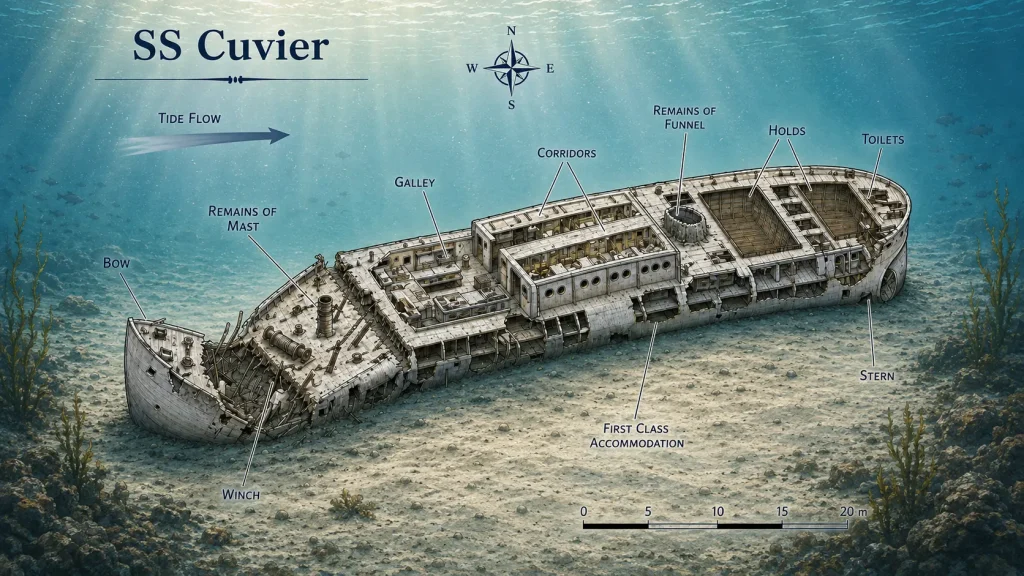
Offshore wrecks often escape the regular traffic of easier dive sites. Therefore, they can feel more intact, less disturbed and more exploratory. You may find boilers, engines, cargo remains, winches, anchors, plating, ribs or scattered debris that still gives strong clues about the vessel’s working life.
These sites also reward good observation. In addition, deeper wrecks can hold details that help identify a vessel or confirm a suspected name. A shape on the sounder becomes far more interesting when divers return with images, video and notes rather than the traditional report of “metal, poor vis, enjoyed chips”.
This is the kind of dive where planning matters. Depth reduces available time, and offshore conditions add commitment. Consequently, divers should arrive prepared, correctly equipped and honest about their experience.
What to expect underwater
The wreck may sit in darker water, stronger tide or lower visibility than inshore sites. However, that often adds to the atmosphere. Deeper offshore wrecks can feel more remote and more complete, especially where sand, tide or fishing activity has left machinery and hull sections exposed.
Depending on the site, divers may see boilers, engine remains, deck fittings, cargo, broken bow or stern sections, fishing gear and scattered plates. Alternatively, the wreck may be low, broken and partly buried. Either way, the aim is to dive the site safely, record what we see and build a better picture of the wreck.
Please do not disturb the site or remove anything. Photographs, video and careful notes help far more than pocketed objects. Besides, if your best contribution to maritime history fits in a drysuit pocket, perhaps aim higher.
Dive suitability
This offshore deeper wreck dive is aimed at suitably qualified and experienced divers. You should be comfortable with the planned depth, expected conditions and required gas or bailout strategy. For some divers, this may mean twinset, stage cylinders or CCR, depending on the final site and dive plan.
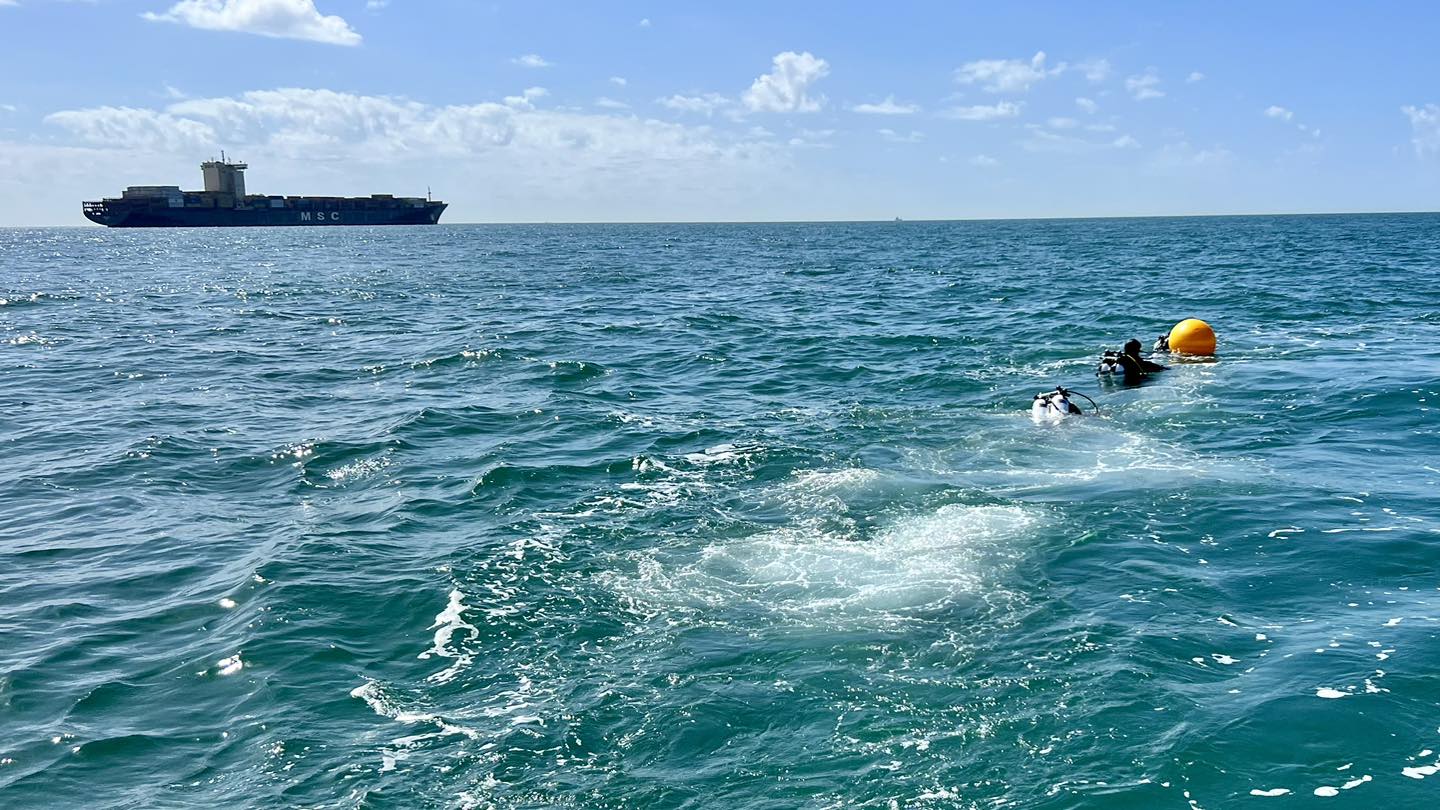
Because the wreck lies farther offshore, weather and tide will shape the day. The skipper will confirm the final plan based on conditions, slack water and safe boat handling. Therefore, flexibility matters.
This dive suits divers who enjoy more committed wreck exploration. It is not about chasing a famous name for bragging rights. Instead, it offers the chance to visit a deeper Channel wreck, gather useful observations and enjoy a proper offshore dive without pretending the sea cares about our calendar.
Are you a Mutiny Diver? Book more dives.