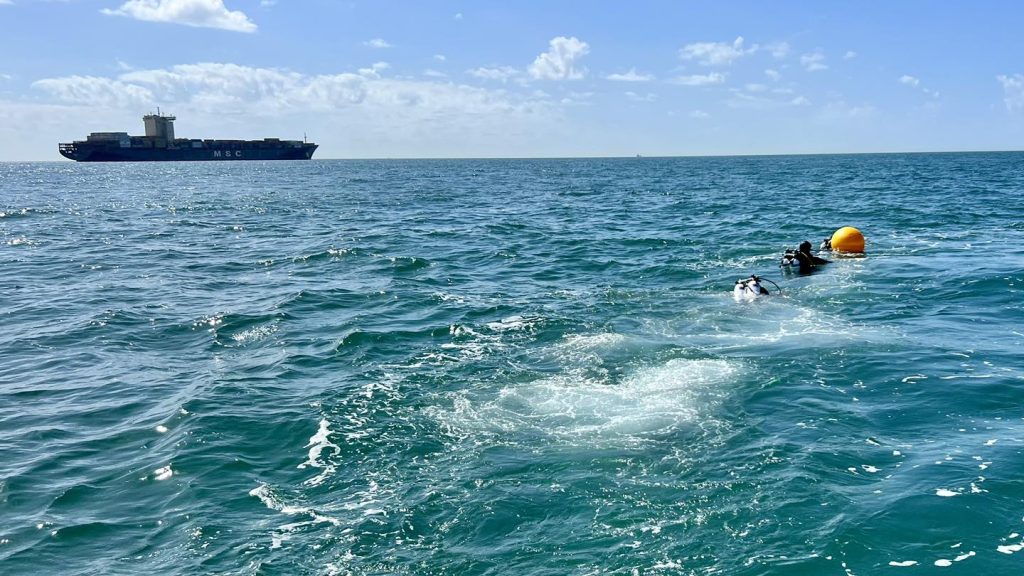

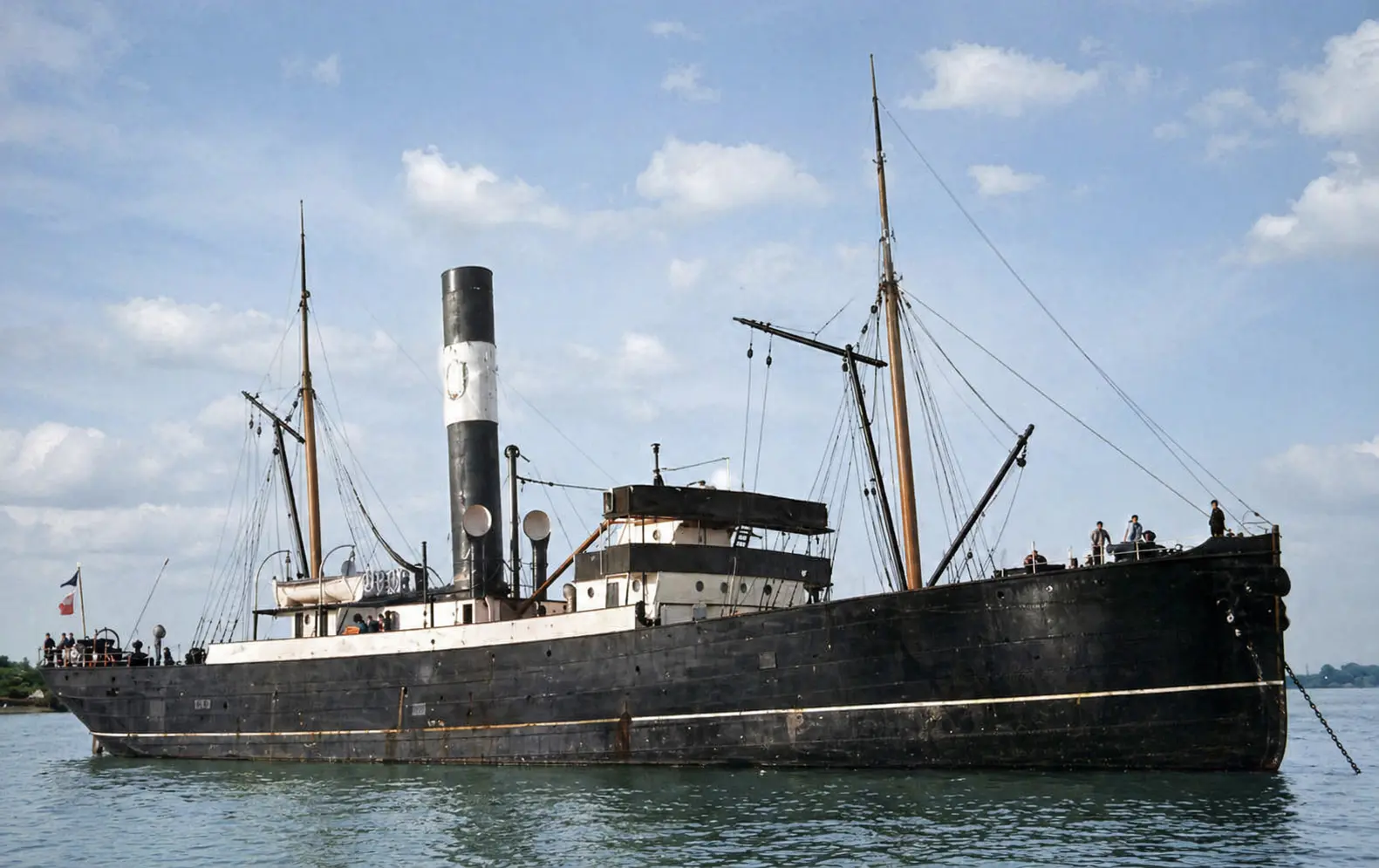
SS Unity (1918)
SS Unity wreck dive
The SS Unity wreck dive explores a British wartime steamer sunk by UB-57 off Folkestone in 1918. Unity was carrying ordnance from Newhaven to Calais when the German submarine attacked her on 2 May 1918. As a result, twelve crew died, although her captain survived.
This SS Unity wreck dive gives you a compact but powerful First World War Channel story. Unity began life as a Goole trade steamer, but the war pulled her into military transport work. Therefore, her final voyage linked the railway-owned coastal fleet with the supply routes feeding the Western Front.
SS Unity wreck dive: the ship before the loss
Murdoch & Murray built Unity at Port Glasgow in 1902. Uboat.net records her as a British steamer of 1,091 gross tons. By the time of her loss, the Lancashire & Yorkshire Railway Co. of Goole operated her.
Unity also belonged to a small group of practical North Sea trading steamers. Scuba.To notes that Equity, Liberty and Unity had originally served the Goole-Hamburg trade before the Lancashire & Yorkshire Railway acquired them in 1906. Consequently, Unity had a working commercial history before wartime service changed her role.
Her final cargo was ordnance, although some records spell it as “ordinance”. That detail matters because she was not carrying ordinary general cargo on a peacetime hop across the Channel. Instead, she carried war material from Newhaven to Calais, across one of the most dangerous short sea routes of 1918.
The attack by UB-57
On 2 May 1918, Unity crossed the Channel from Newhaven to Calais. German submarine UB-57, commanded by Johannes Lohs, found her about 9 miles south-east of Folkestone. Then the attack ended Unity’s passage before she could reach France.
UB-57 was no minor threat. She was a Type UB III submarine operating from the Flanders flotilla, and Uboat.net credits her with 46 ships sunk during her career. In addition, Lohs ranked among the more successful German U-boat commanders of the First World War.
Unity sank with the loss of twelve crew. Her captain survived, but the dead included firemen, seamen, the chief officer, the chief engineer and a leading seaman. The named casualties include Ernest Henry Appleyard, William Goodall Bateman, Edward Creaser, Thomas William Gibson, James Charles Hansome, Fred Hounslow Heterick, John Jones, John Rockett, Thompson, John Walsh, Seth West and Edward Frederick Whitehead.
You can read the attack summary in Uboat.net’s SS Unity record. Meanwhile, the named casualty list and local wreck notes appear in Scuba.To’s SS Unity article.
The wreck today
For divers, Unity offers a rewarding First World War wreck with a clear story and a manageable Channel depth. Canterbury Divers describe the wreck as upright and intact in a maximum depth of about 40 m, with the deck generally around 32 to 35 m. In addition, they note breaks at both ends and cargo spilled from the wreck.
The cargo gives the site extra interest. Ordnance made Unity a wartime target, while surviving seabed details, including recognisable fittings and scattered material, help connect the dive to the final voyage. Even small finds such as spoons, crockery or cargo fragments matter here, because they link the wreck to the men who worked and died aboard her.
Unity is not listed here as a protected military wreck, but the site still deserves respectful diving. Twelve men died when UB-57 sank her, and the wreck remains part of the wartime seascape off Folkestone. Therefore, this is a look, learn and leave-alone dive, not a shopping trip for shiny nonsense.
Are you a Mutiny Diver? Book more dives.