• SS Unity (1918)

    Dover Marina Esplanade, Dover, Kent, United Kingdom

    SS Unity was carrying ordnance to Calais when UB-57 found her off Folkestone in May 1918. This wreck dive follows a Goole steamer, a deadly Channel crossing, twelve lost crew and a seabed that still holds the small personal traces of a wartime voyage cut short.

  • SS Castor (1894)

    Dover Marina Esplanade, Dover, Kent, United Kingdom

    On 28 July 1894, Castor was on passage from Smyrna, now Izmir, to Amsterdam, having called at Algiers, when she was caught in dense fog off Dungeness / Folkestone and collided with the German barque Ernst. She was struck amidships and sank, but her 25 crew and 3 passengers were all saved. Her cargo gives this wreck its real intrigue: 14 Greco-Roman sculptures and inscriptions, packed in two crates for the Rijksmuseum van Oudheden in Leiden. Divers later recovered several second-century marble pieces from the wreck, including sculptured heads and funerary monuments. Today, Castor is a cracking dive with a rare story: a Dutch steamer, a Channel collision, and classical antiquities lying in the silt like history had dropped its handbag

  • SS Nunima (1918)

    Dover Marina Esplanade, Dover, Kent, United Kingdom

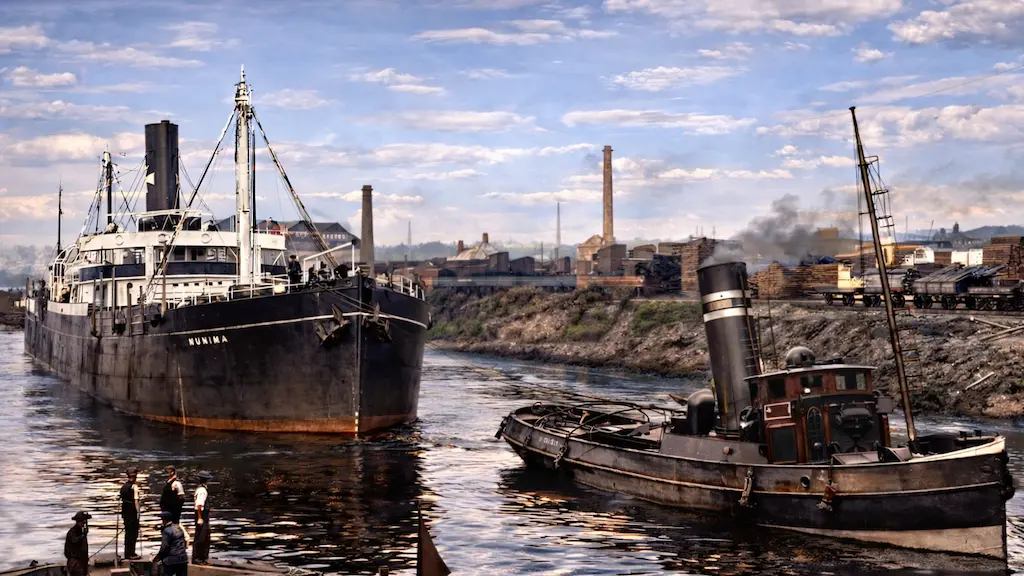
    On 4 January 1918, Nunima was on passage from Bilbao to Middlesbrough with a cargo of iron ore when she sank after a collision off Folkestone, reported variously as with P19 or an unidentified Royal Navy torpedo boat. UKHO-derived wreck data places the wreck at about 50°58.304'N, 1°08.678'E, lying upright and largely intact in roughly 32 metres, with a least depth of around 19 metres over the wreck. No lives were lost, which is a rare mercy in these Channel stories and frankly suspiciously decent of history for once. For divers, Nunima is a big, upright First World War merchant steamer with cargo history, scale, structure and a proper Dover Strait collision story. A solid wreck with presence.

  • SS Amplegarth (1918)

    Dover Marina Esplanade, Dover, Kent, United Kingdom

    On 10 May 1918, Amplegarth was on passage from Dunston-on-Tyne to St Nazaire with a cargo of coal when she struck a mine laid by the German minelaying submarine UC-71, commanded by Oberleutnant zur See Walter Warzecha. She sank about 1 mile west-south-west of Dover Harbour. The best Cardiff shipping summary I found records no lives lost, which is a blessedly rare line in a First World War wreck note. For divers, this is a proper Dover war wreck: a big merchant steamer, a working cargo, a UC-boat minefield, and a loss right on the doorstep of one of the busiest wartime ports in Britain.

  • SS Efford – Stern (1940)

    Dover Marina Esplanade, Dover, Kent, United Kingdom

    Efford sank after the collision, reportedly cut in two, and her remains are known as two separated wreck sections off Dover. That makes her an especially interesting dive: not a grand liner or warship, but a compact coaster with a dramatic physical story written into the seabed. For divers, Efford offers exactly the sort of Channel wreck that rewards close inspection: broken structure, wartime context, collision damage, and the odd thrill of knowing the bow and stern are not necessarily where polite naval architecture intended them to be.

  • SV Mindora (1864)

    Dover Marina Esplanade, Dover, Kent, United Kingdom

    Her career was brutally short. On 28 November 1864, Mindora collided in the English Channel with the Khersonese, another outward-bound sailing ship, reportedly on passage from London to Calcutta. Contemporary shipwreck listings place the collision about 8 nautical miles south-west by west of South Foreland, with Mindora sinking and the other vessel abandoned in a sinking condition. For divers, this is a proper Victorian mystery wreck: a young barque lost almost as soon as her story began, a collision in one of the world’s busiest sea lanes, and a seabed site that still gives up small clues from a long-vanished age of sail.

  • HMT Étoile Polaire (1915)

    Dover Marina Esplanade, Dover, Kent, United Kingdom

    On 3 December 1915, Étoile Polaire struck a mine and sank off the South Goodwins. The minefield is recorded as having been laid by the German minelaying submarine UC-1, commanded by Kapitänleutnant Egon von Werner. Her wreck has had a confusing afterlife: Canterbury Divers and Historic England both note that a site once listed as HMT Cayton Wyke was positively identified as Étoile Polaire when her bell was recovered. The wreck lies in about 27 metres, stands up to 5 metres proud, and is described as fairly intact, with a blown-off bow, open holds, intact stern and surviving superstructure. For divers, this is a cracking Dover Patrol wreck: compact, atmospheric, strongly identified, and close enough to the Goodwins to add that little pinch of "this place has been eating ships for centuries".

  • SS Laristan (1899) & SS Denbighshire (1887)

    Dover Marina Esplanade, Dover, Kent, United Kingdom

    Close beside her lies the older Denbighshire, lost in 1887 and later identified by her recovered bell. Historic England notes her wreck lies close to Laristan, while Canterbury Divers describes the Denbighshire as sitting only about 10 metres from the bigger Laristan, in a maximum depth of about 31 metres, standing around 5 metres proud. For divers, the appeal is obvious: two Victorian wreck stories in one dive, one a cargo steamer loaded with iron ore, the other an earlier casualty close enough to turn the seabed into a historical puzzle. It is a cracking Dover site for anyone who likes machinery, structure and a little identity intrigue with their slack water.

  • SS Loanda (1908)

    Dover Marina Esplanade, Dover, Kent, United Kingdom

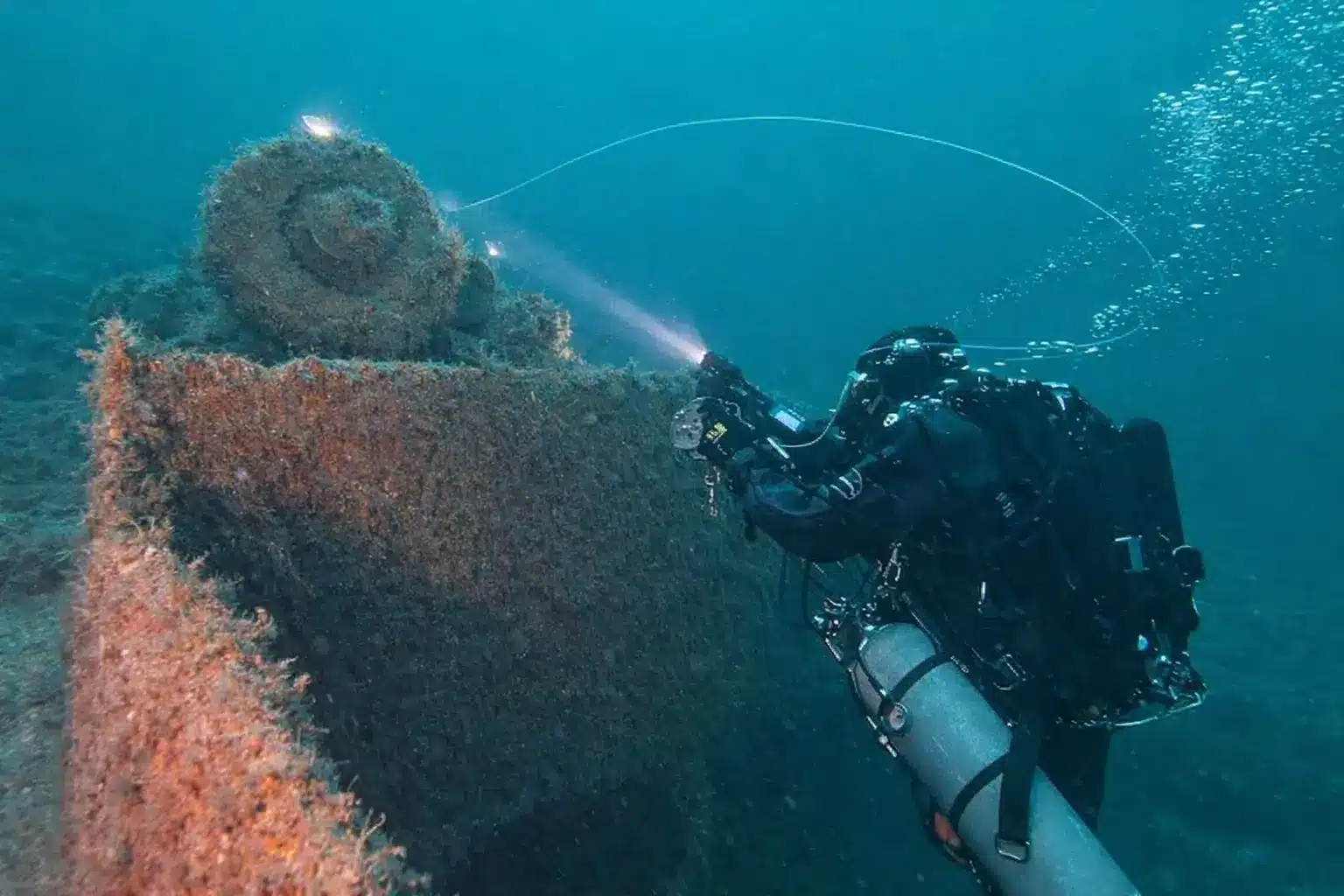
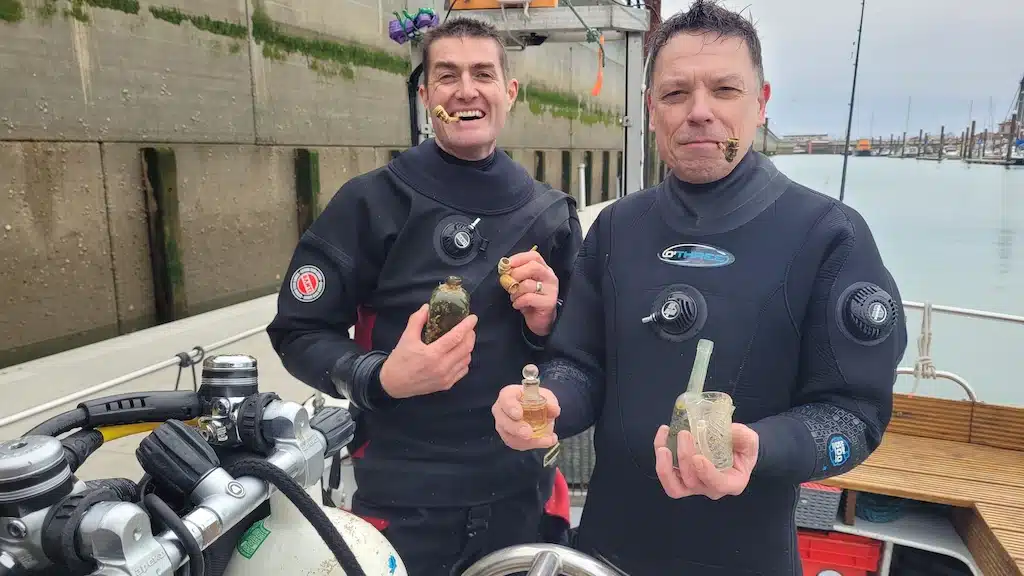
    For divers, Loanda is one of those wrecks that rewards curiosity as much as good buoyancy. She lies upright in roughly 17 to 23 metres, standing several metres proud, with exposed engine remains, an intact propeller, and a cargo story worthy of a Victorian dockside whisper. Reports mention gin and champagne bottles, clay pipes, perfume bottles, trading beads, and the persistent tale of newly minted shillings, although the shilling story is not supported by the manifest. It’s shallow, atmospheric, artifact-rich and very much a slack-water dive, the kind of Dover wreck where every broken bottle and clay pipe feels like it has been waiting 116 years to be noticed.

  • SS Maine (1914)

    Dover Marina Esplanade, Dover, Kent, United Kingdom

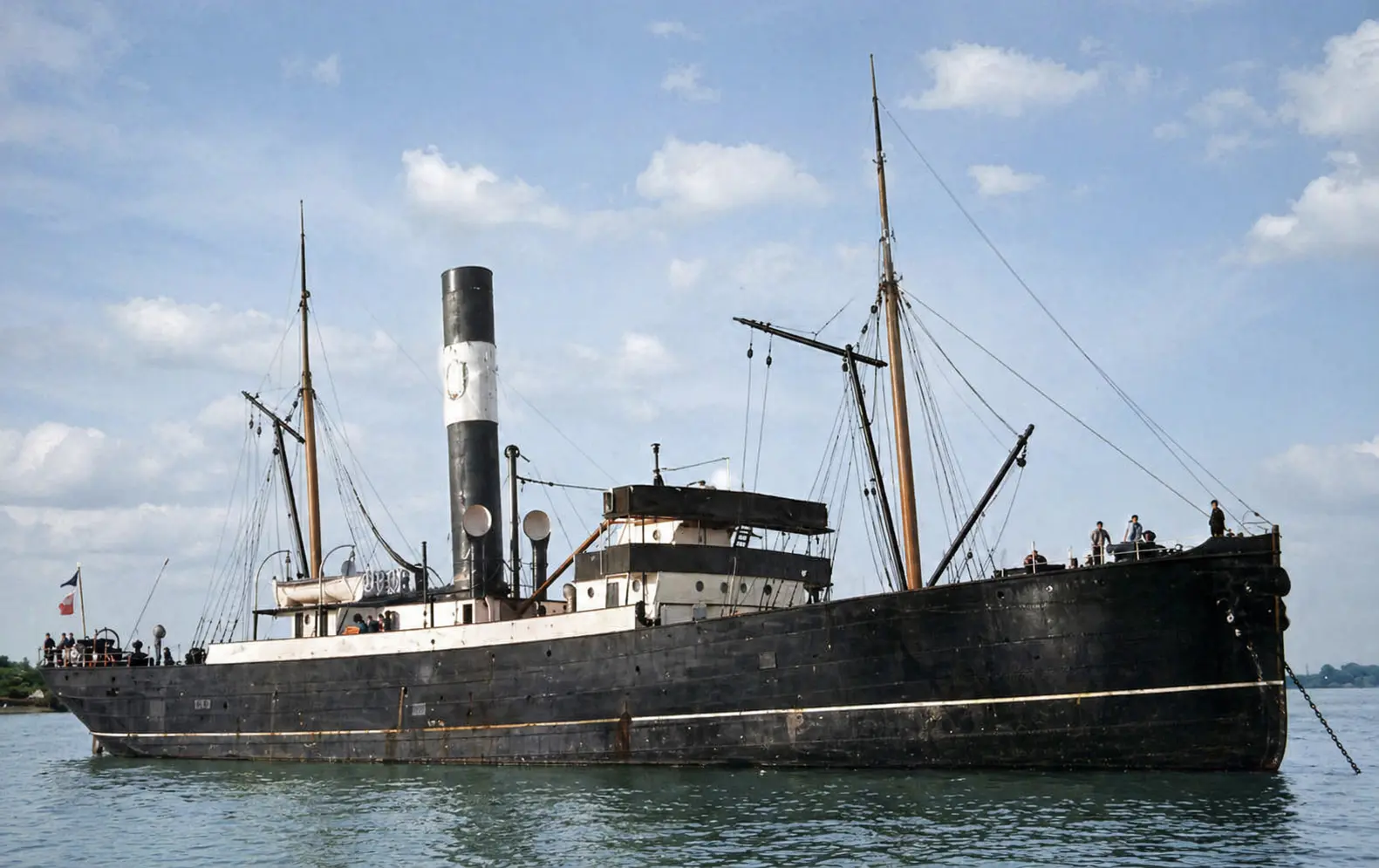
    Before the First World War had even begun, the small steel coaster SS Maine met her end off Dover after colliding with the Spanish vessel José de Aramburu on 2 April 1914. Her crew survived, but the ship went down near the harbour approaches, leaving behind a wreck now better known by a far more memorable name.

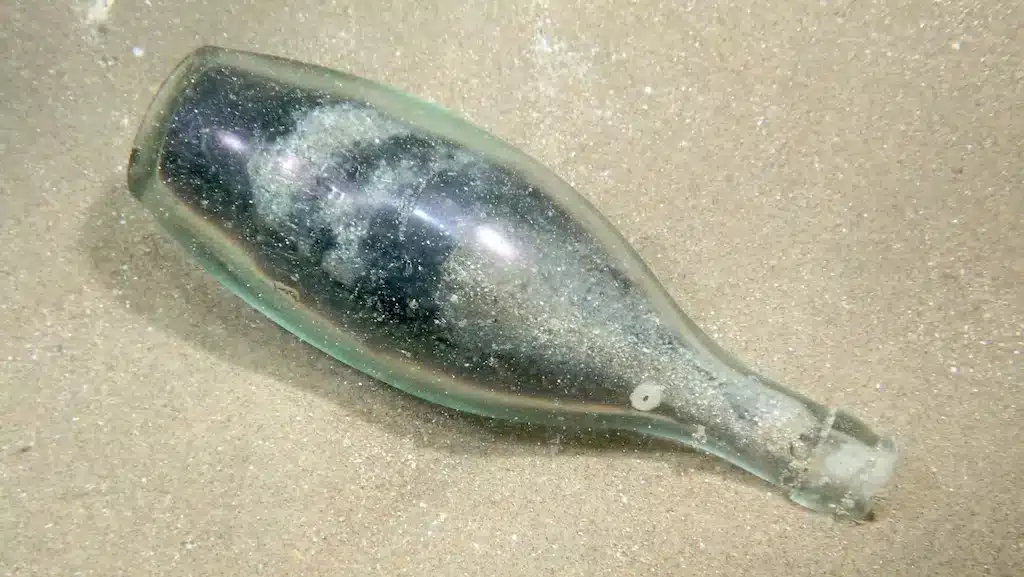
    Divers call her the Perrier Wreck because of the bottles scattered through the site. A collision, a lost coaster, and a seabed full of fizzy-water history. Dover wreck diving does like to keep things gloriously odd.

  • HMT Falmouth III – FY152 (1915)

    Dover Marina Esplanade, Dover, Kent, United Kingdom

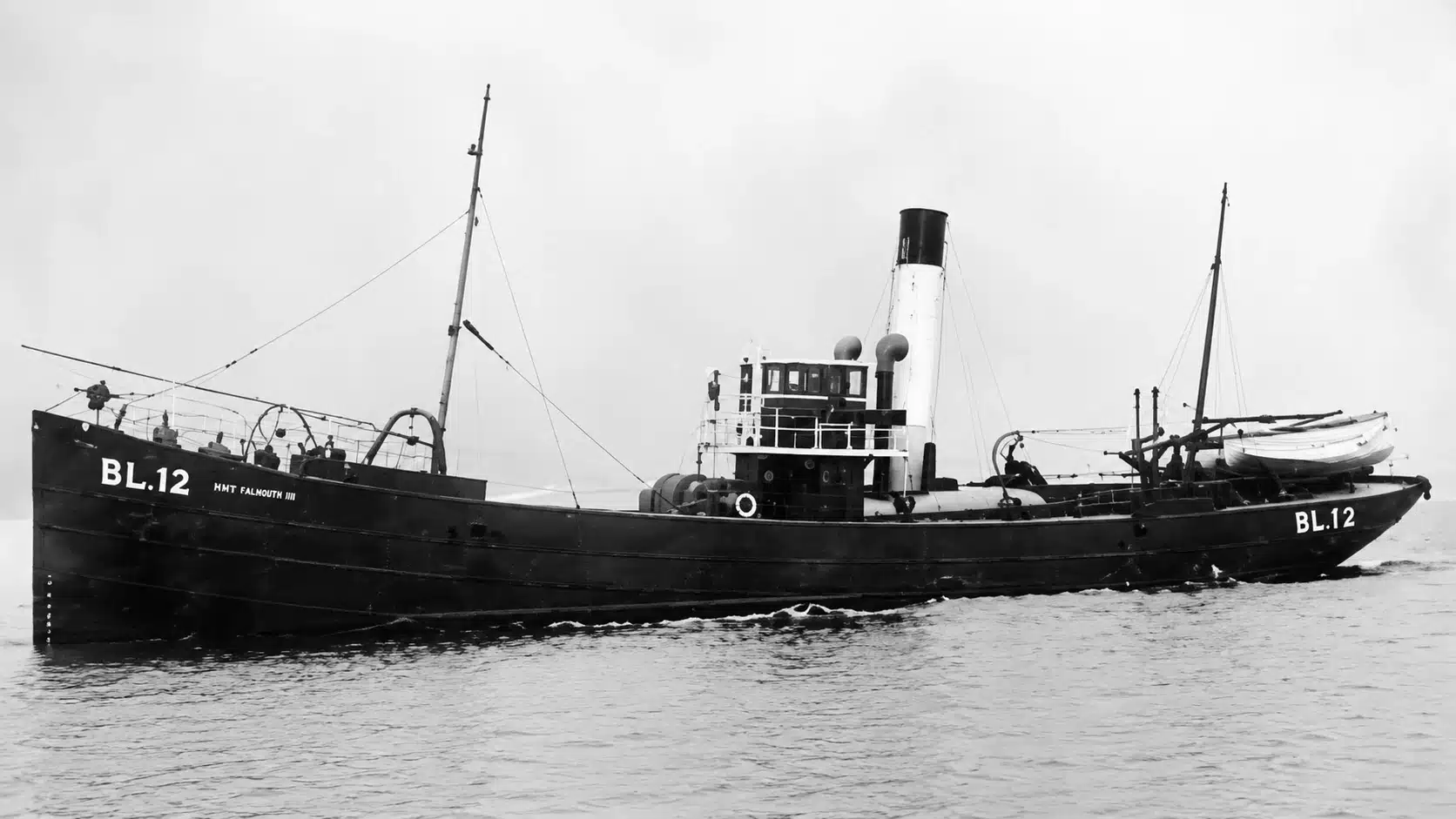
    A small Aberdeen-built fishing trawler became a Royal Navy minesweeper, then vanished in one of Dover’s deadliest First World War minefields. HMT Falmouth III, FY152 struck a mine laid by German submarine UC-5 on 19 November 1915, two days after the same field sank the hospital ship HMHS Anglia.

    The blast blew Falmouth III in half and killed seven men. Even more strangely, she is said to have sunk directly onto Anglia’s wreck before a storm later shifted her. A compact Dover Patrol wreck, a brutal Channel story, and another reminder that minesweeping was courage wrapped in thin steel.

  • HMT Lydian – 162 (1915)

    Dover Marina Esplanade, Dover, Kent, United Kingdom

    A Milford Haven fishing trawler turned wartime patrol vessel, HMT Lydian was doing the dangerous work of the Dover Patrol when she struck a German mine off South Foreland on 18 September 1915. The mine had been laid by UC-6, one of the small German submarines turning the Channel into a hidden battlefield. Eight men died when Lydian sank. Today her wreck lies in about 23 to 24 m of water east of South Foreland, a compact but powerful First World War dive with a bell-confirmed identity, recovered artefacts and a brutal reminder that minesweepers often found mines the hard way.

×
×

Basket